About Simon
Director · Producer · Executive Producer · Showrunner
I’m a director, producer, executive producer and showrunner working across theatre, television and film.
For more than thirty years I’ve worked with writers, actors, designers, crew, producers and creative teams to develop stories and bring them to life. My experience ranges from Shakespeare and new writing from Aotearoa/New Zealand to musical theatre, comedy, drama, genre, children's television and large-scale international franchise production.
What connects this eclectic body of work is a fascination with story, people, performance and process — and a belief that the most interesting choices are often found below the surface.
I’m not interested in the obvious. I want to dig deeper into the material, challenge first assumptions and encourage collaborators to search for choices that are more specific, surprising and original.
My purpose is simple:
I create the conditions in which artists do the finest work of their lives, and audiences experience stories they never forget.
Explore the work:
Theatre · Screen · Credits · Current Work
THEATRE WAS MY FIRST HOME
I knew I wanted to direct when I was nineteen.
I abandoned a law degree in favour of Drama Studies at Victoria University.
When I later applied to Toi Whakaari: New Zealand Drama School, the school didn't accept directing students, but encouraged me to audition as an actor.
I spent two years training as an actor because I believed that first-hand experience of the acting process would make me a better director.
It did.
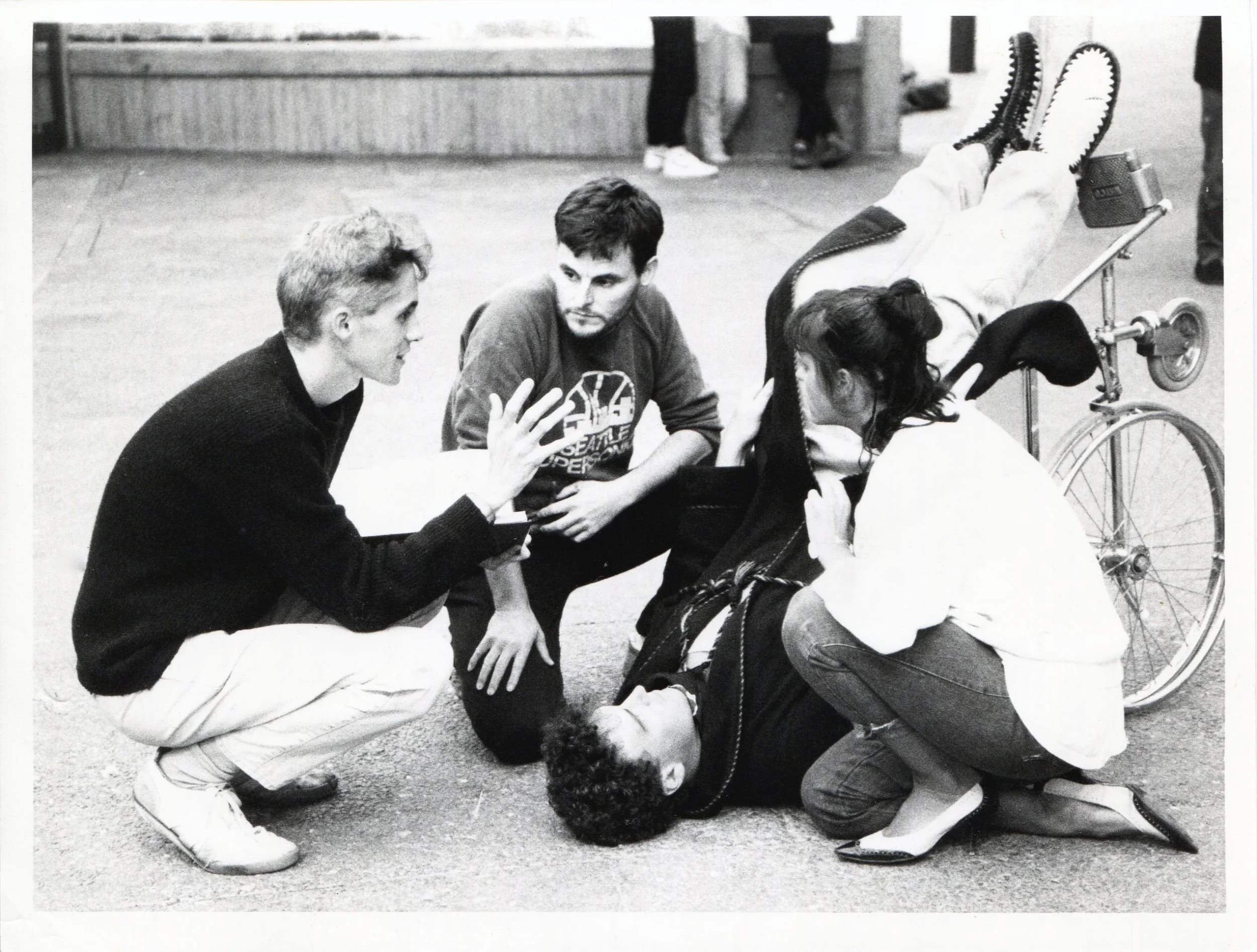
Directing VUW Summer Shakespeare King Lear 1987
I understand the vulnerability and complexity of acting from lived experience. It means I can communicate with actors in language that makes sense to them.
This understanding remains fundamental to my performance-led approach to directing.
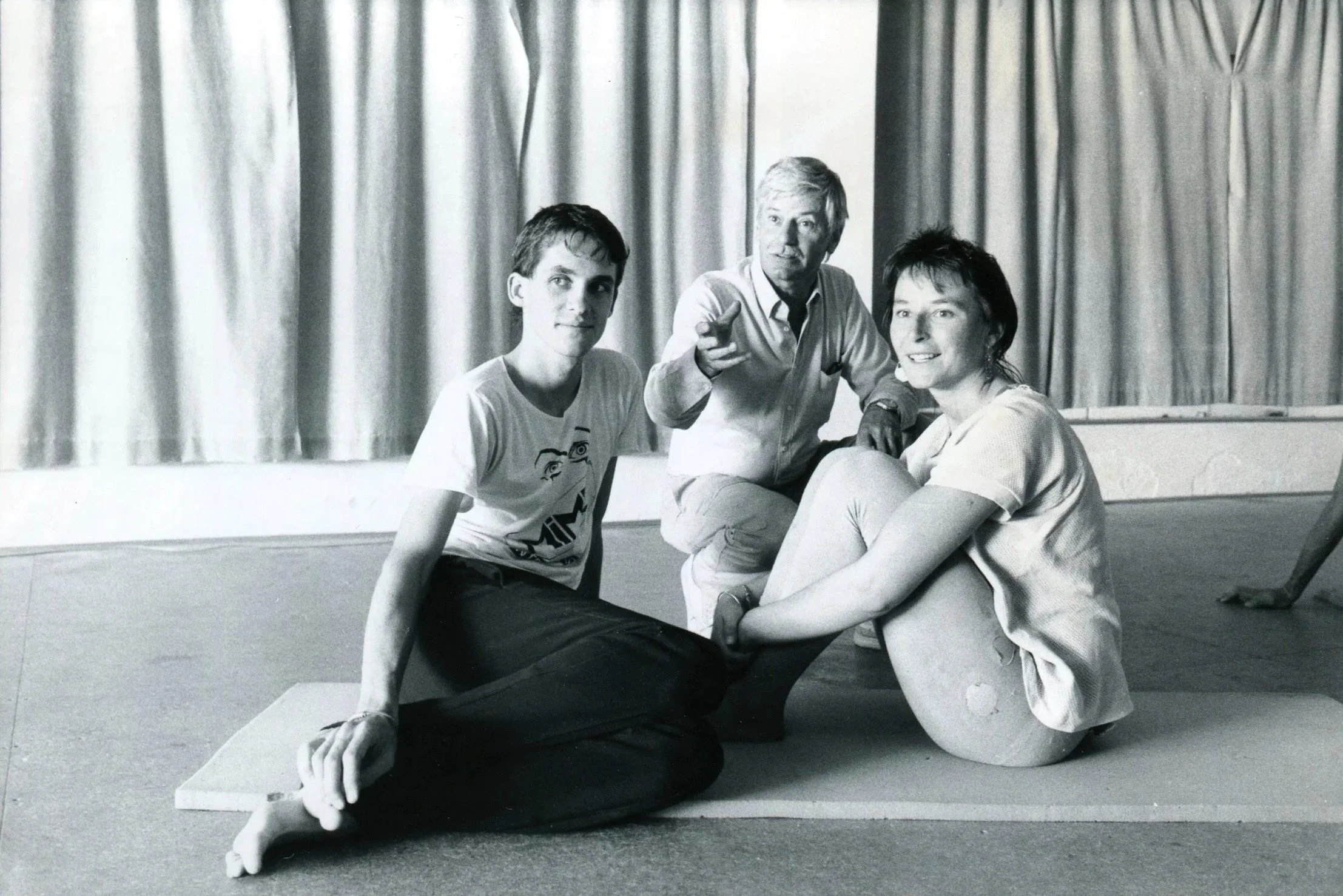
At Toi Whakaari/NZ Drama School 1987. With George Webby and Dra McKay
MAKING A PLACE
In 1989, aged 24, I took over the lease of the run-down BATS Theatre in Wellington with Simon Elson.
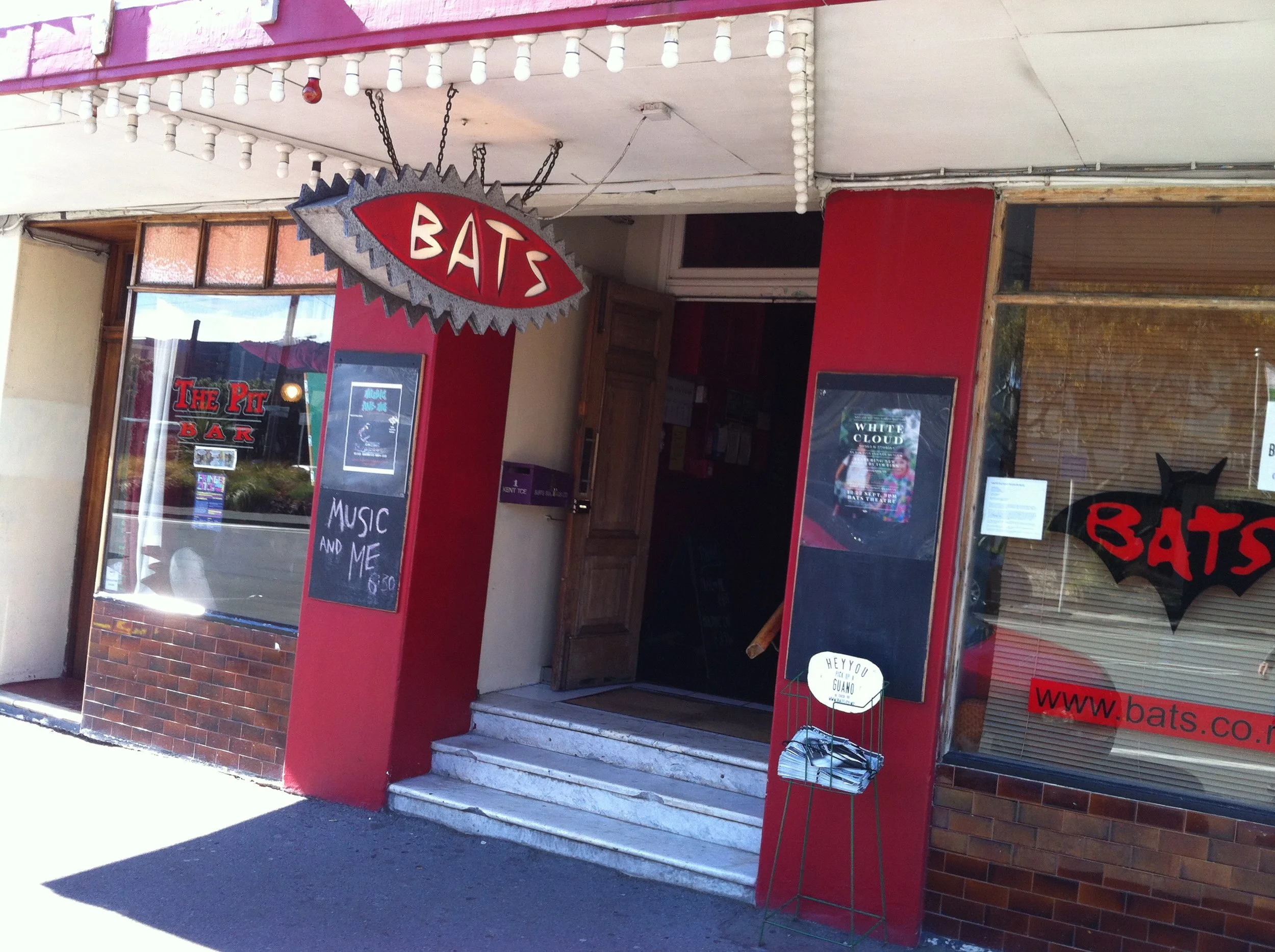
Together, we established it as Wellington's fourth professional theatre, creating a new identity for the space centred on new work, emerging practitioners and new audiences.
We wanted theatre to be ambitious, immediate, accessible and entertaining.
We wanted artists to be able to take risks, but we also wanted audiences to have a great night out. Ticket prices needed to be affordable. The experience of coming to the theatre should feel more like going to a rock gig than attending an elitist cultural institution.
That combination — artistic ambition and accessibility, seriousness about the work and a sense of fun — remains vital to me.
BATS also established something that has remained central to my subsequent career:
I'm interested not only in making work, but in creating the conditions in which other people can excel.
DIRECTING
I'm interested in the deep excavation of a text — looking beneath the obvious to discover what is actually there. How does this story work? What are the characters doing? What do they really want? Where are the contradictions? What rhythms, images, tensions and possibilities are hidden inside the writing?
I'm not interested in imposing originality from the outside. I believe it’s already there, waiting to be found. My job is to encourage everyone involved to dig deeper, challenge the obvious and discover the more interesting choices that the text makes possible.
I also believe that a text — particularly one that has been performed many times before — should be filtered through the imaginations of the people in the room. I want us to approach it as if it has never been performed before, rather than unconsciously replicating historical interpretations.
That means allowing the text to encounter the particular experiences, imaginations and sensibilities of the artists making the production, and exploring what it has to say to an audience now.
My directing practice is performance-led and deeply rooted in the text.
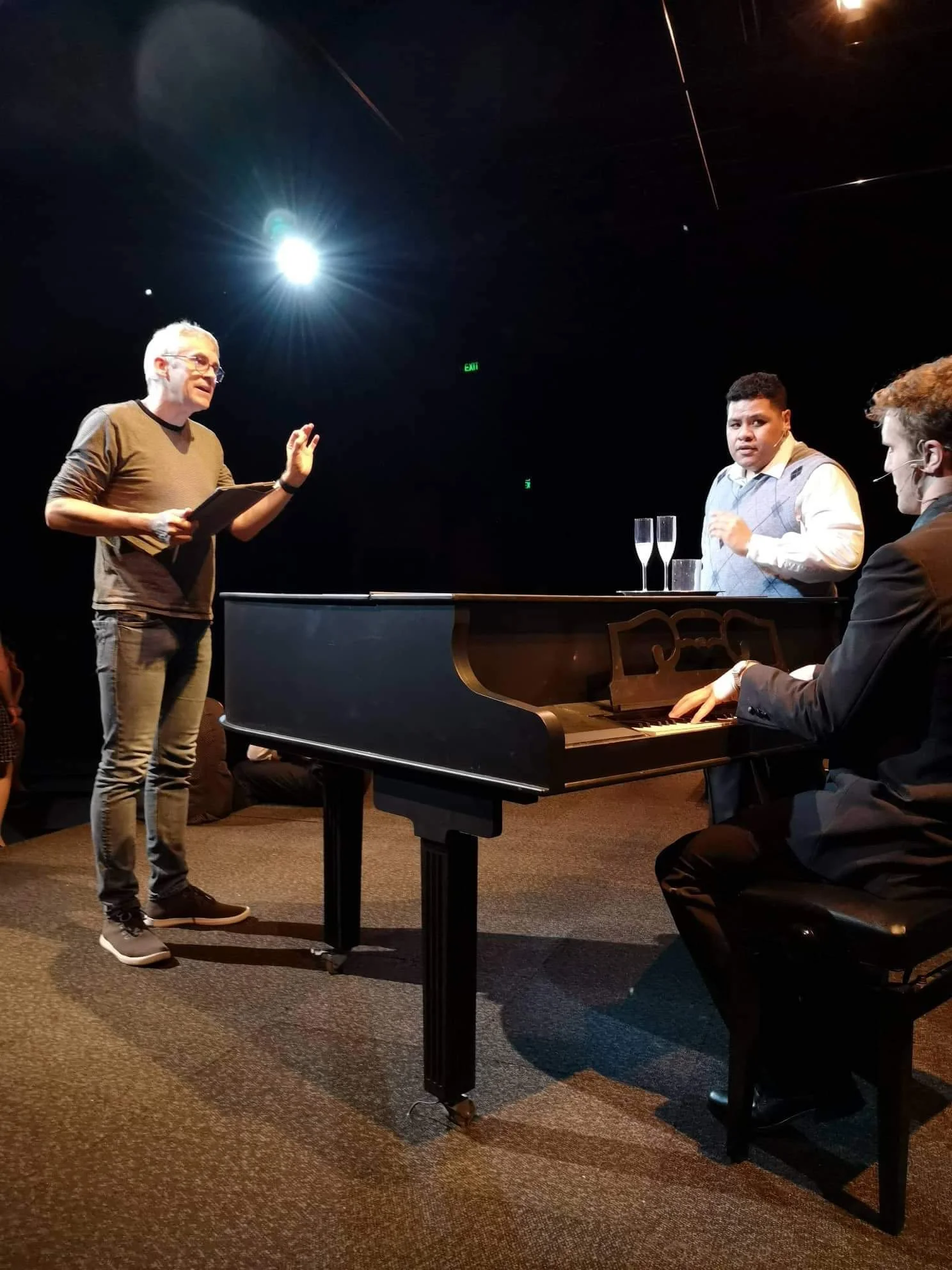
I believe great performances emerge when actors are given both freedom and responsibility: freedom to explore, discover and take risks, and the responsibility to make choices that serve the story.
My job is to encourage and guide all the disparate creative elements — performance, design, lighting, sound, music, movement and space — towards a coherent whole.
TELEVISION, PRODUCING & SHOWRUNNING
Television expanded not only the scale of my work, but the nature of my responsibility.
I moved from TV directing into producing and executive producing, taking increasing responsibility for writers, directors, performers, production teams and the overall creative direction of a series. I also learned to take responsibility for the successful commercial performance of a project — ensuring it meets its audience, and exceeds expectations.
My television career has included long-running drama, comedy, children's television, genre and international franchise production.
I became Head of Drama at South Pacific Pictures, Executive Producer of Shortland Street, later working as Producer/Director on The Almighty Johnsons and as Executive Producer and Director on Outrageous Fortune.
I was Executive Producer across all six seasons of Outrageous Fortune, directing 23 episodes across five seasons.
I subsequently became Executive Producer and Showrunner on Power Rangers Dino Fury and Power Rangers Cosmic Fury, leading an international production and working across writers, directors, performers, producers and production teams from multiple territories.
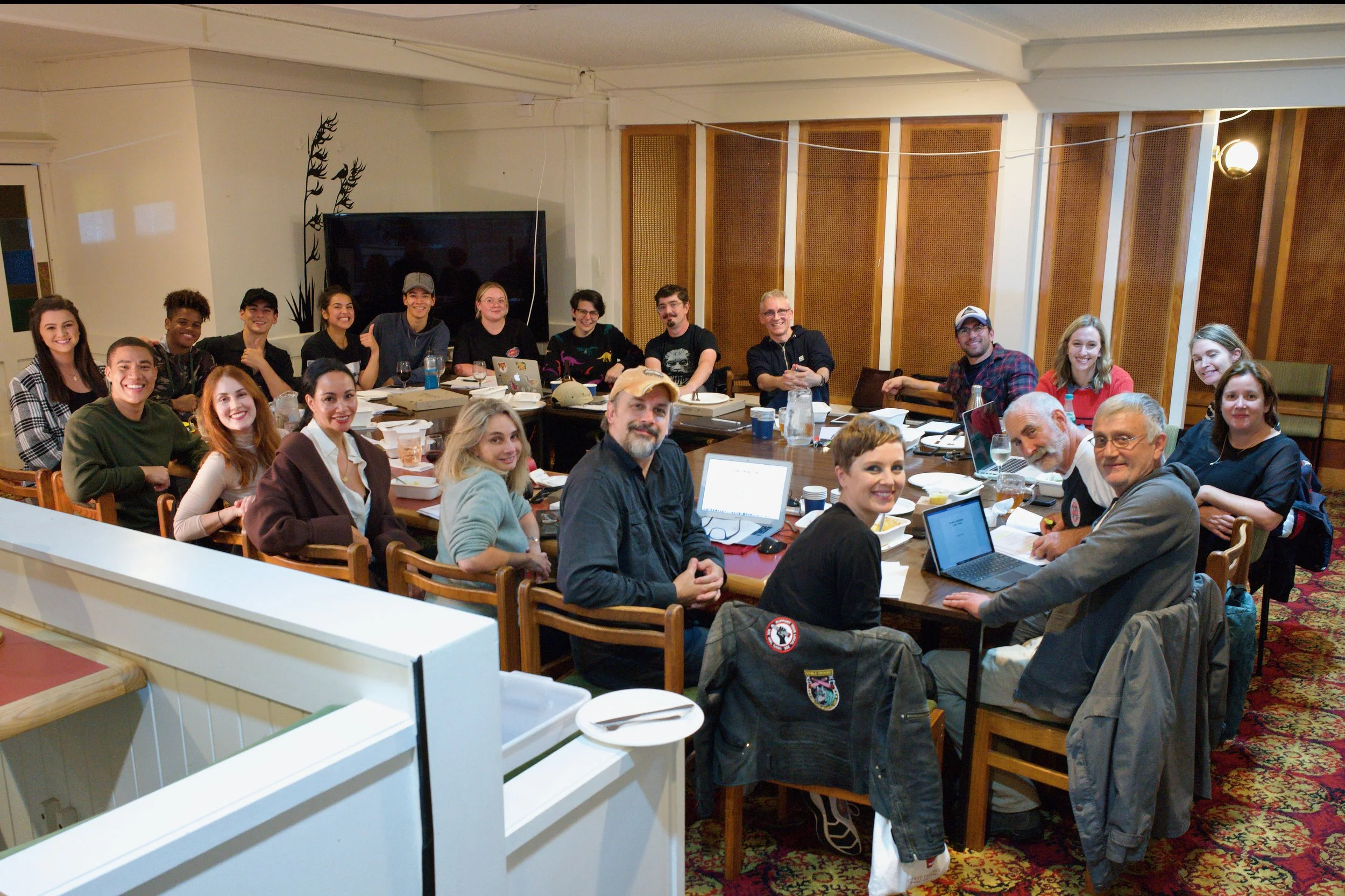
Final table read for Power Rangers Dino Fury.
Television taught me how to lead creative work at scale: how to make decisions quickly without losing sight of the story; how to give people ownership while maintaining a coherent vision; and how to build processes that allow creativity to flourish within demanding production environments.
LEADERSHIP
I've come to understand creative leadership as less about having all the answers than about creating the conditions in which the best choices can emerge.
I want people to bring their most interesting ideas into the room, regardless of their role
or seniority. I try to understand what each person is being asked to contribute, recognise
good ideas when they appear, and give people genuine ownership of their work.
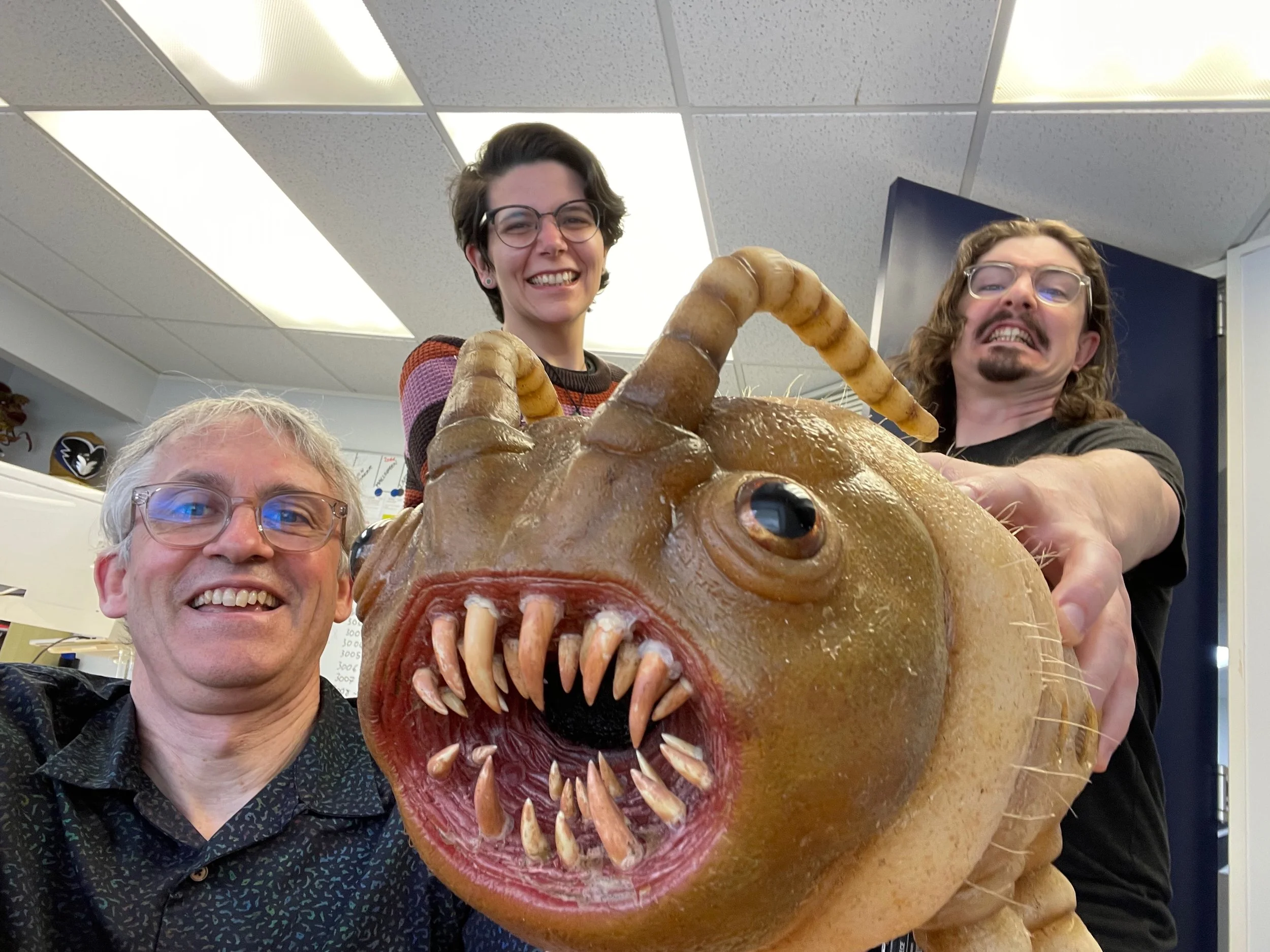
With Power Rangers Dino Fury co-producers and head writers Becca Barnes and Alwyn Dale.
But collaboration doesn't mean abdication.
Someone still has to guide the process — understanding the story, the audience, the purpose, the practical realities and the choices that need to be made.
I edit and steer the process, bringing the disparate creative elements together and forging them into a coherent whole. That means knowing when to encourage an idea, when to challenge it, when to let something go and when to make the decision that moves the work forward.
My ideal creative environment is one where people are kind to one another, honest about the work, willing to take risks, able to challenge and be challenged, and unafraid to play.
I believe discipline makes play possible, and that trust is what allows people to take meaningful creative risks.
TASTE
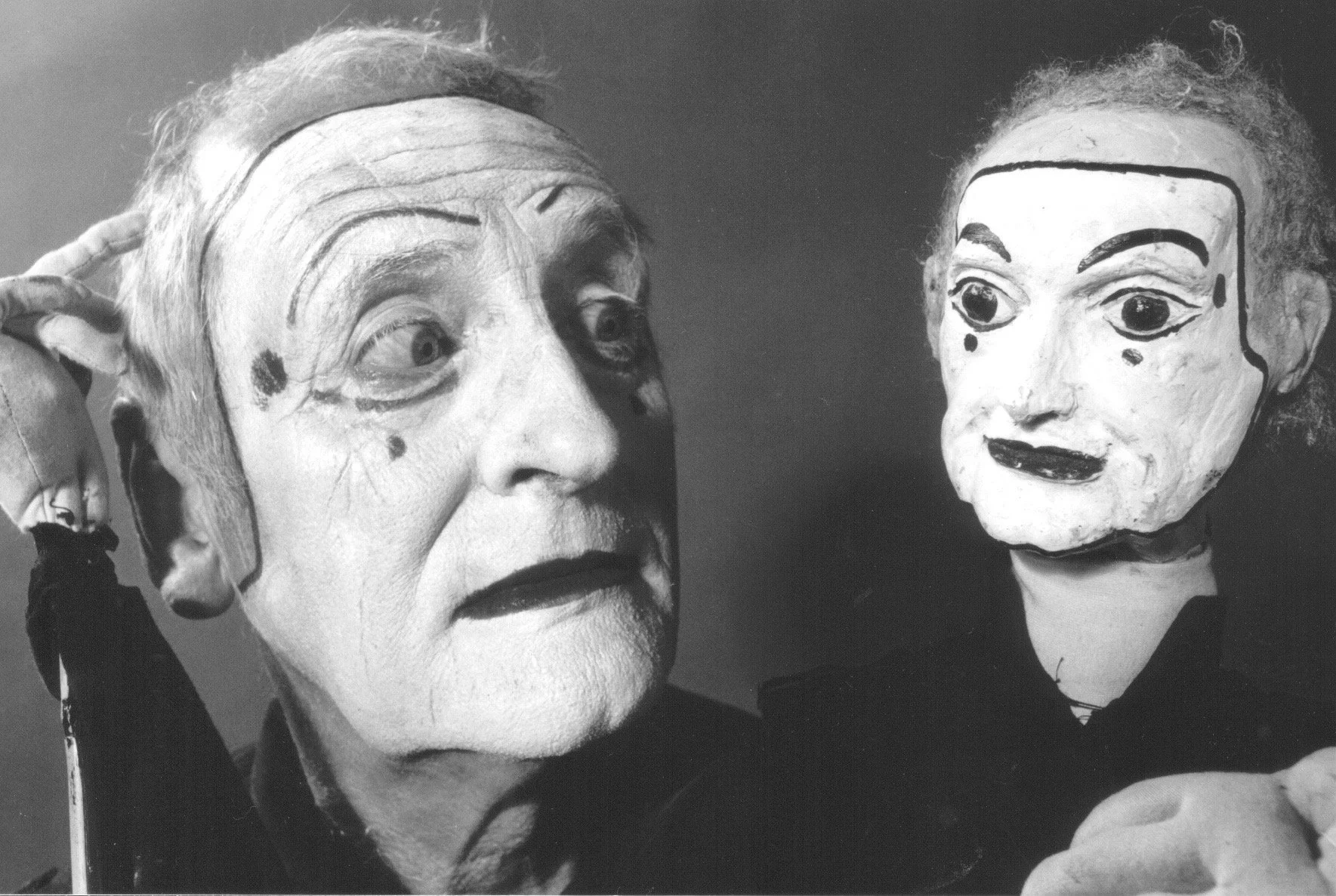
Long before I had a career, I was fascinated by stories and live performance.
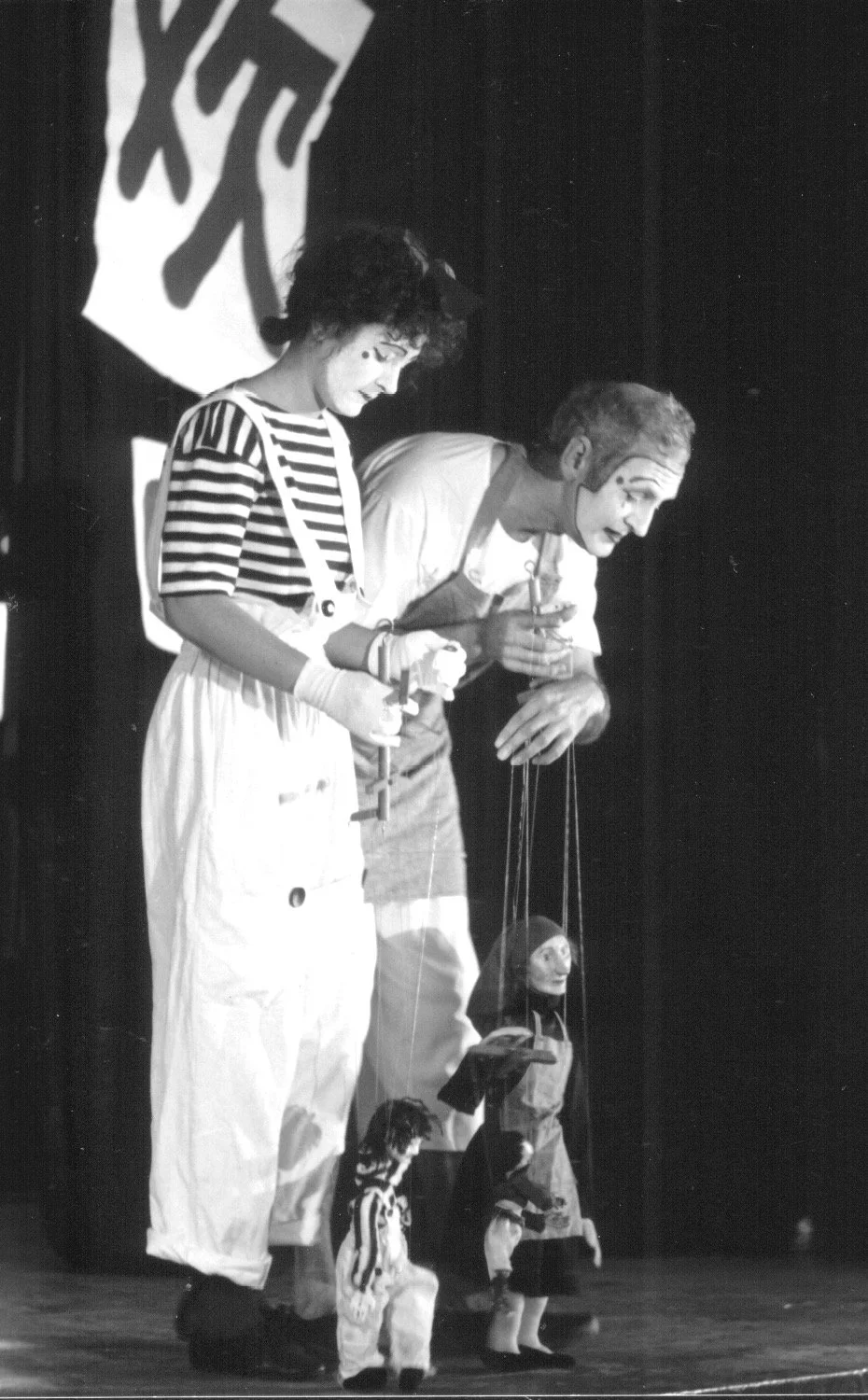
My father was a mime artist.
As a child I spent time around his work, absorbing the strange, practical and imaginative business of touring, building sets, lighting, sound, and developing performances. I was making modest shows of my own from the age of 10.
PHOTOGRAPHY
Photography became another way of looking at the world.
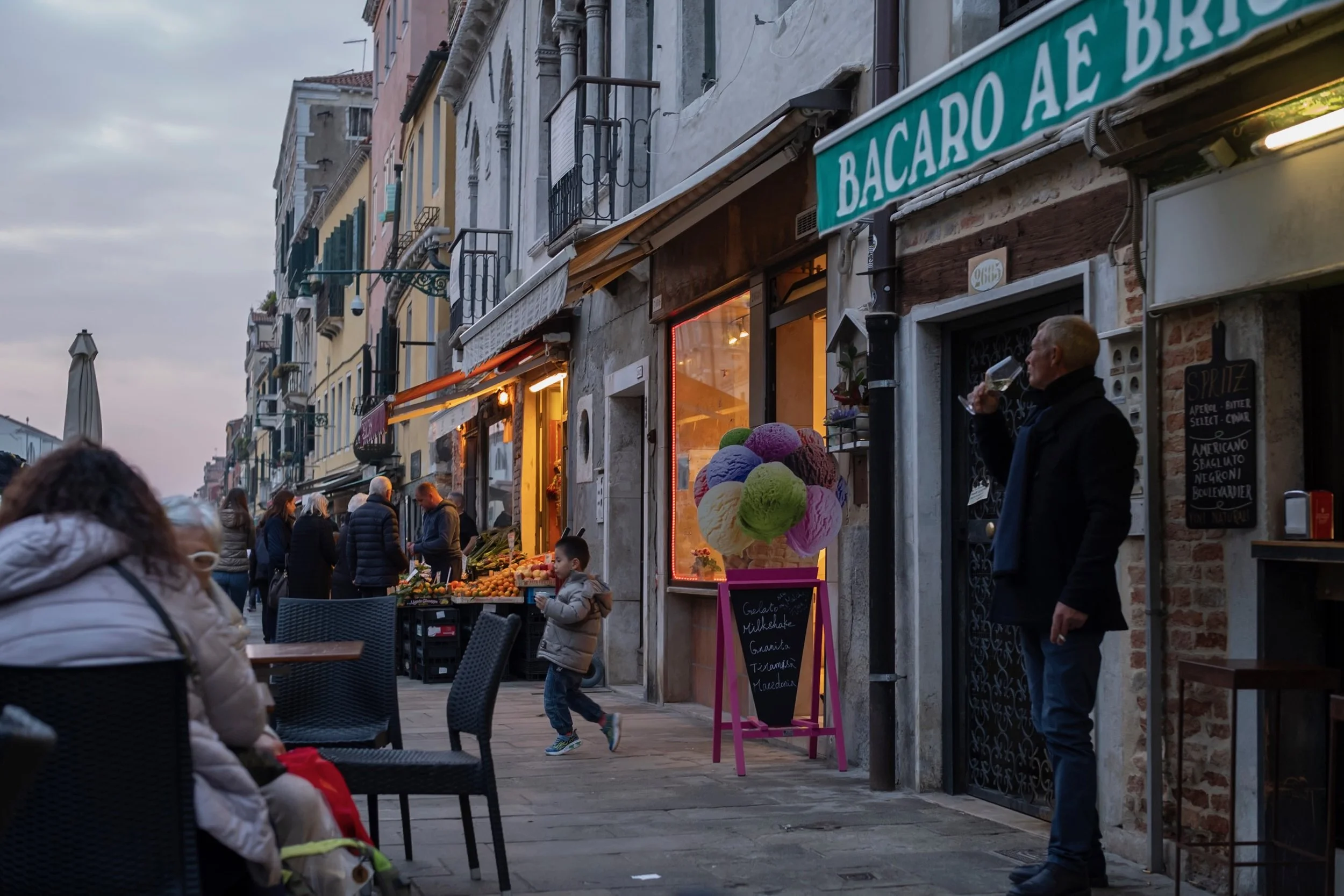
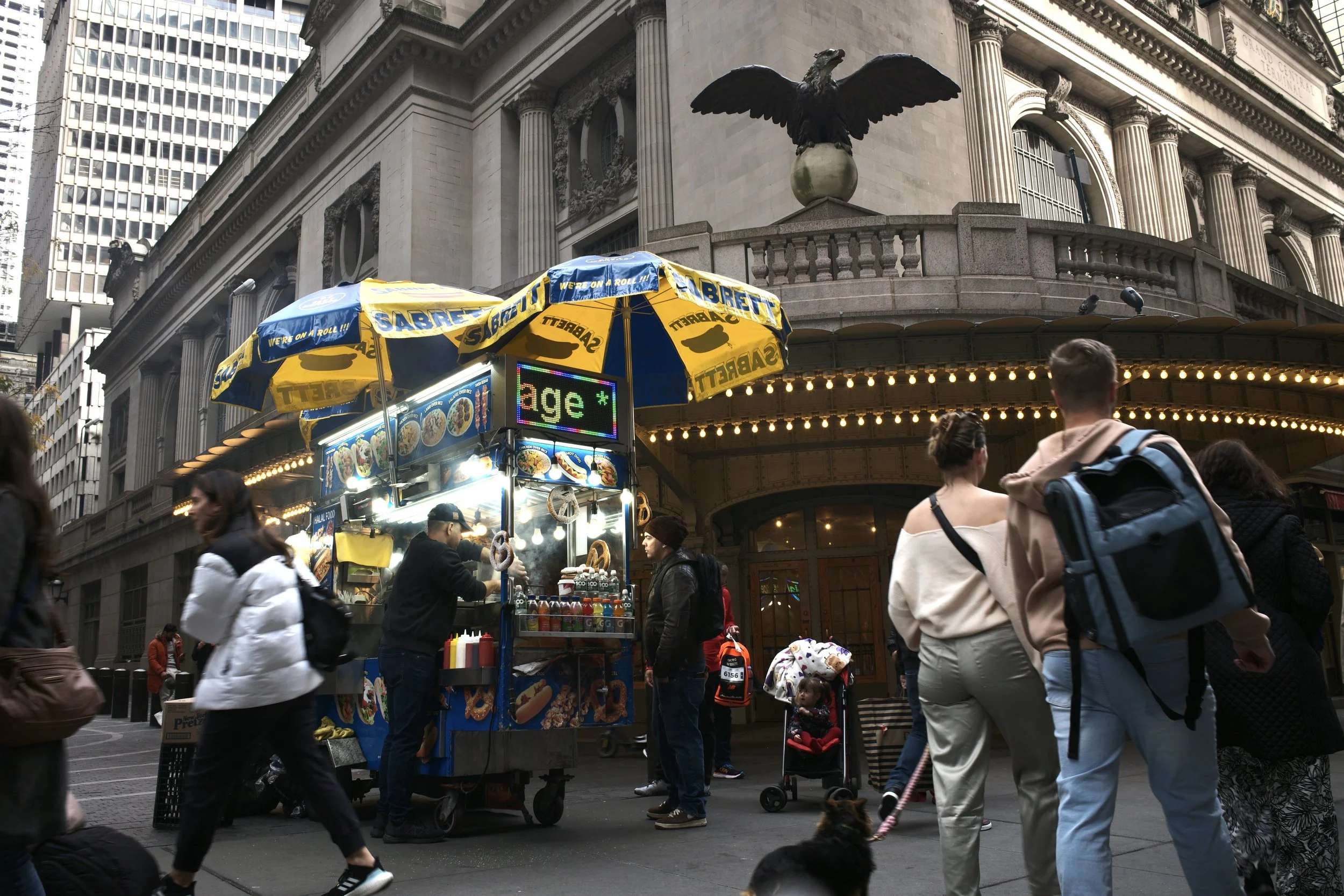
I was fascinated by the camera's ability to isolate a moment, find a composition and make an audience look at something differently.
Comedy was important too.
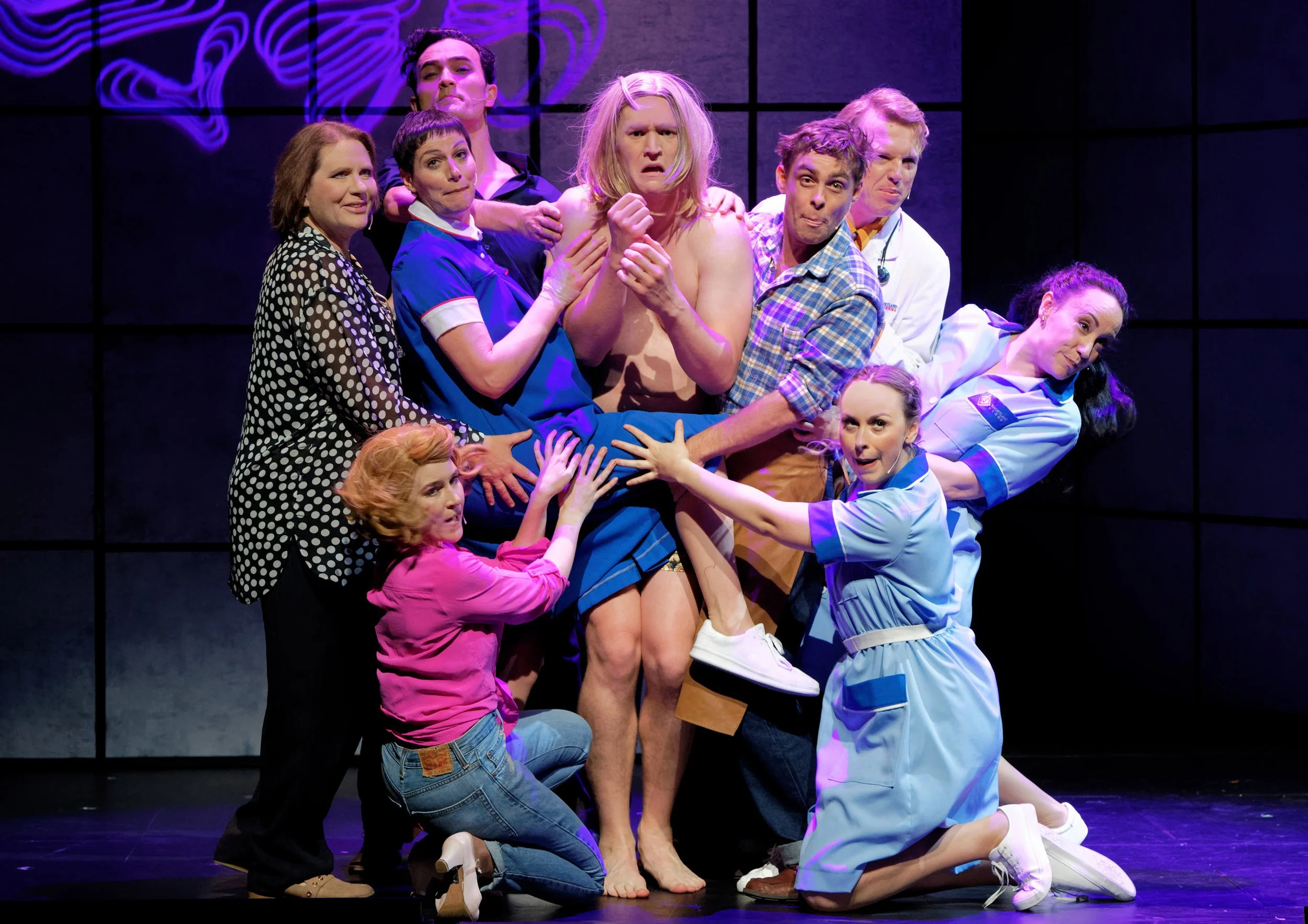
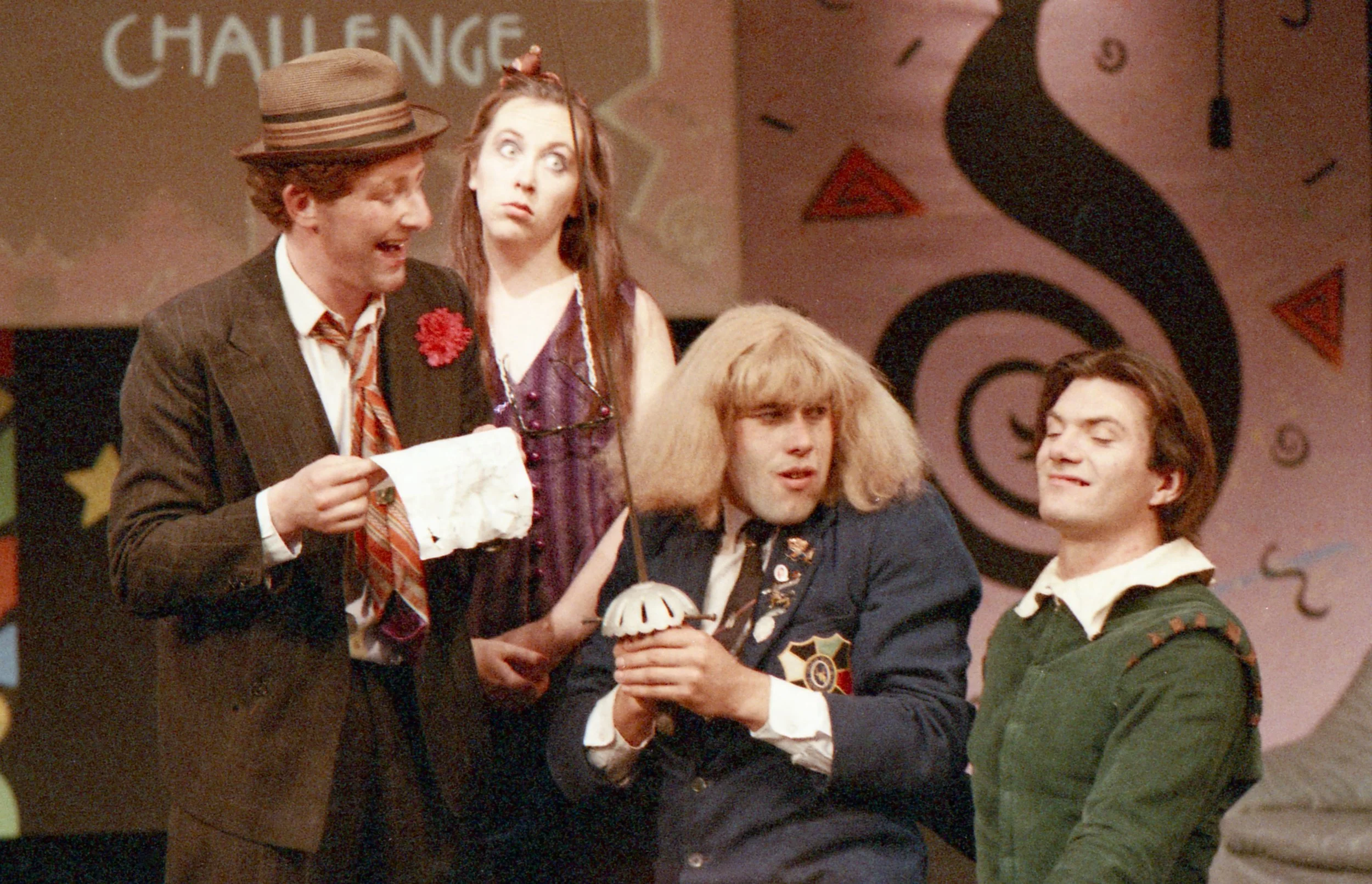
Monty Python's Flying Circus and The Goon Show taught me that form can be playful, anarchic and surprising. Sondheim taught me about precision, structure and the relationship between content and form. Mike Alfreds, Peter Brook, Mike Leigh, Orson Welles, Shakespeare, Stanley Kubrick, and Samuel Beckett have each influenced the way I think about performance, storytelling and the possibilities of directing.
I'm interested in artists who have a distinctive point of view. I respond to work that feels fresh.
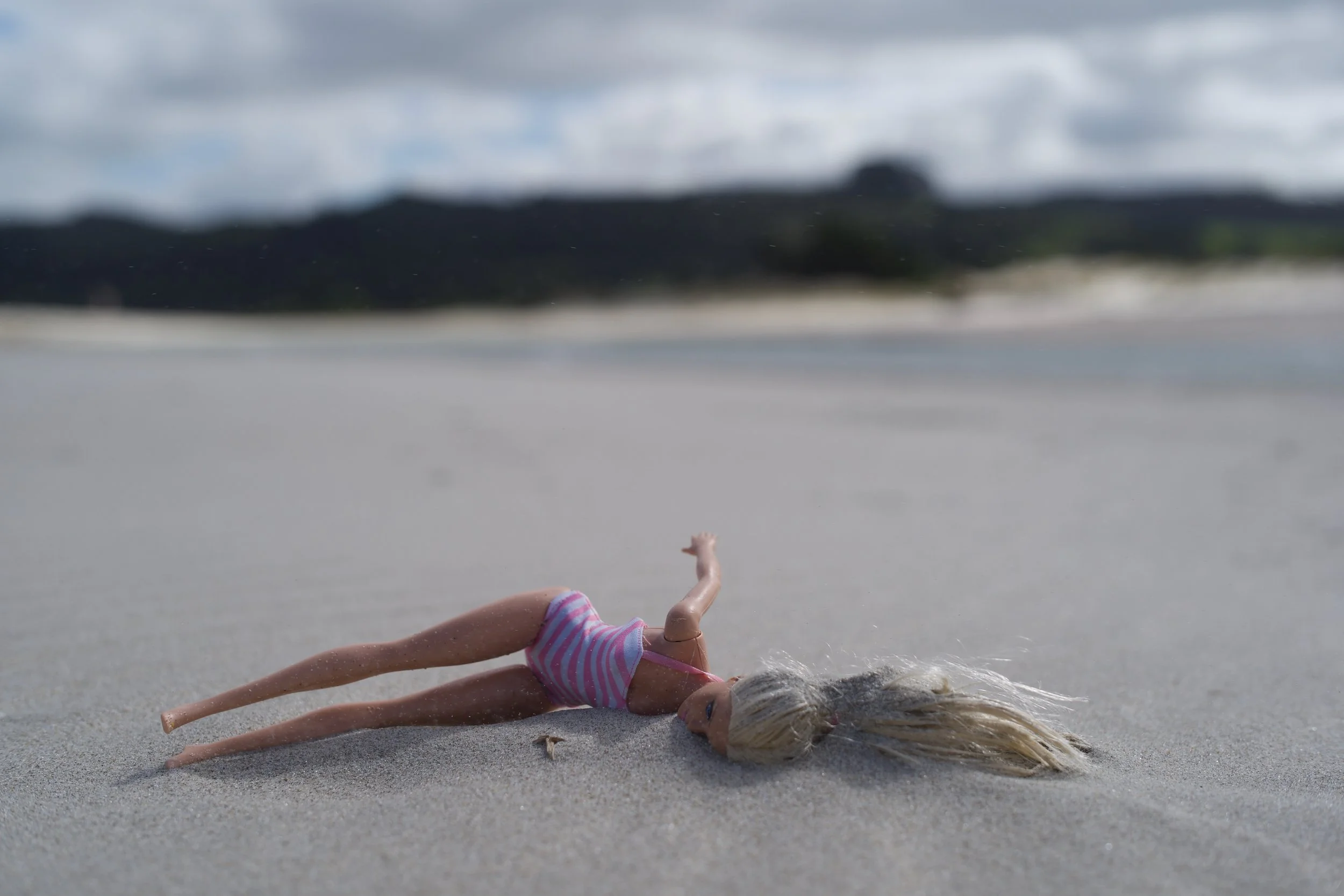
That's probably the simplest description of my taste: I’m looking for the thing I haven't seen before, or the familiar thing seen from an unexpected angle.
MUSIC
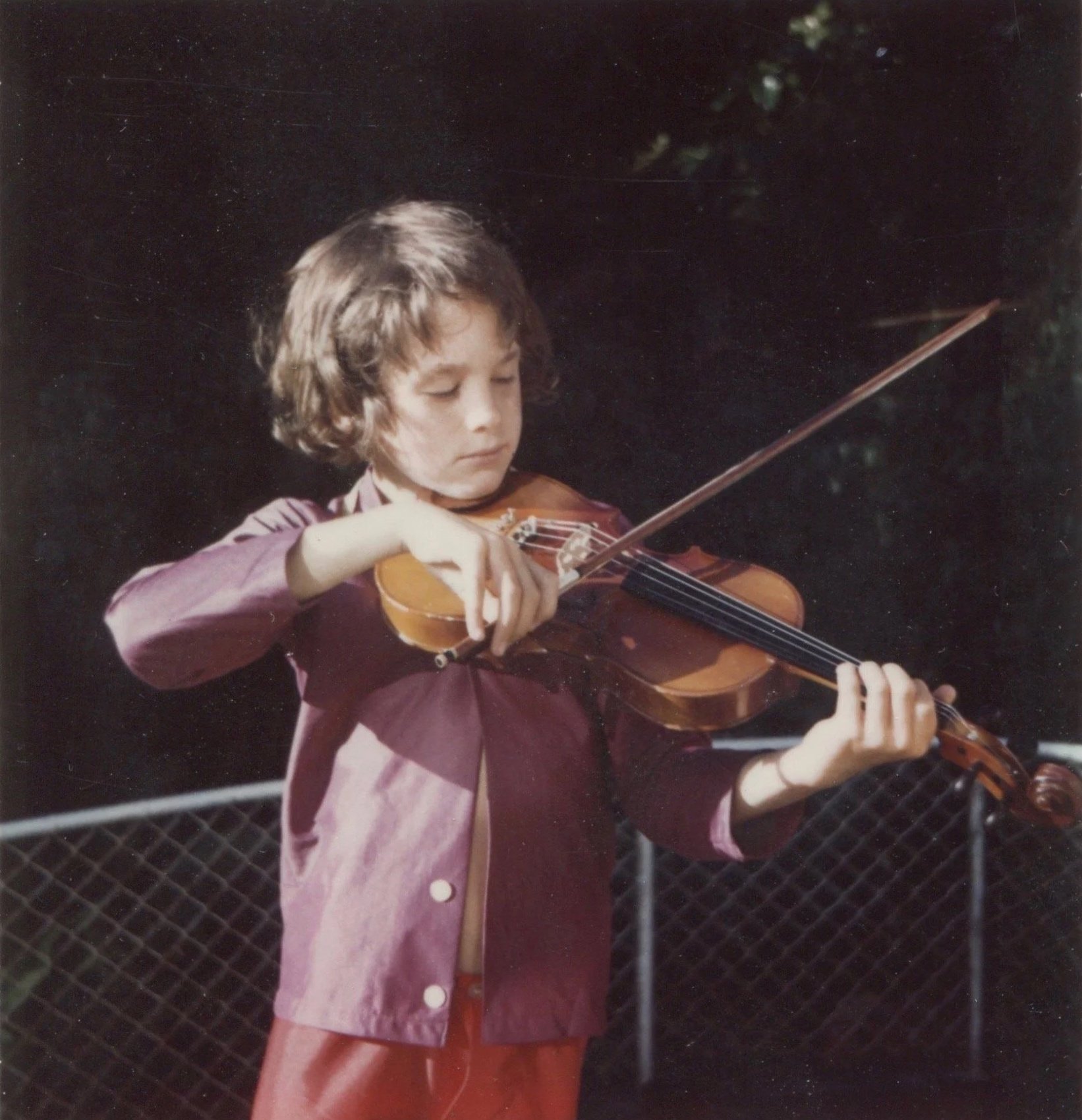
Music has always been part of the way I experience the world. It taught me about rhythm, tension, atmosphere and structure long before I had words for any of those things.
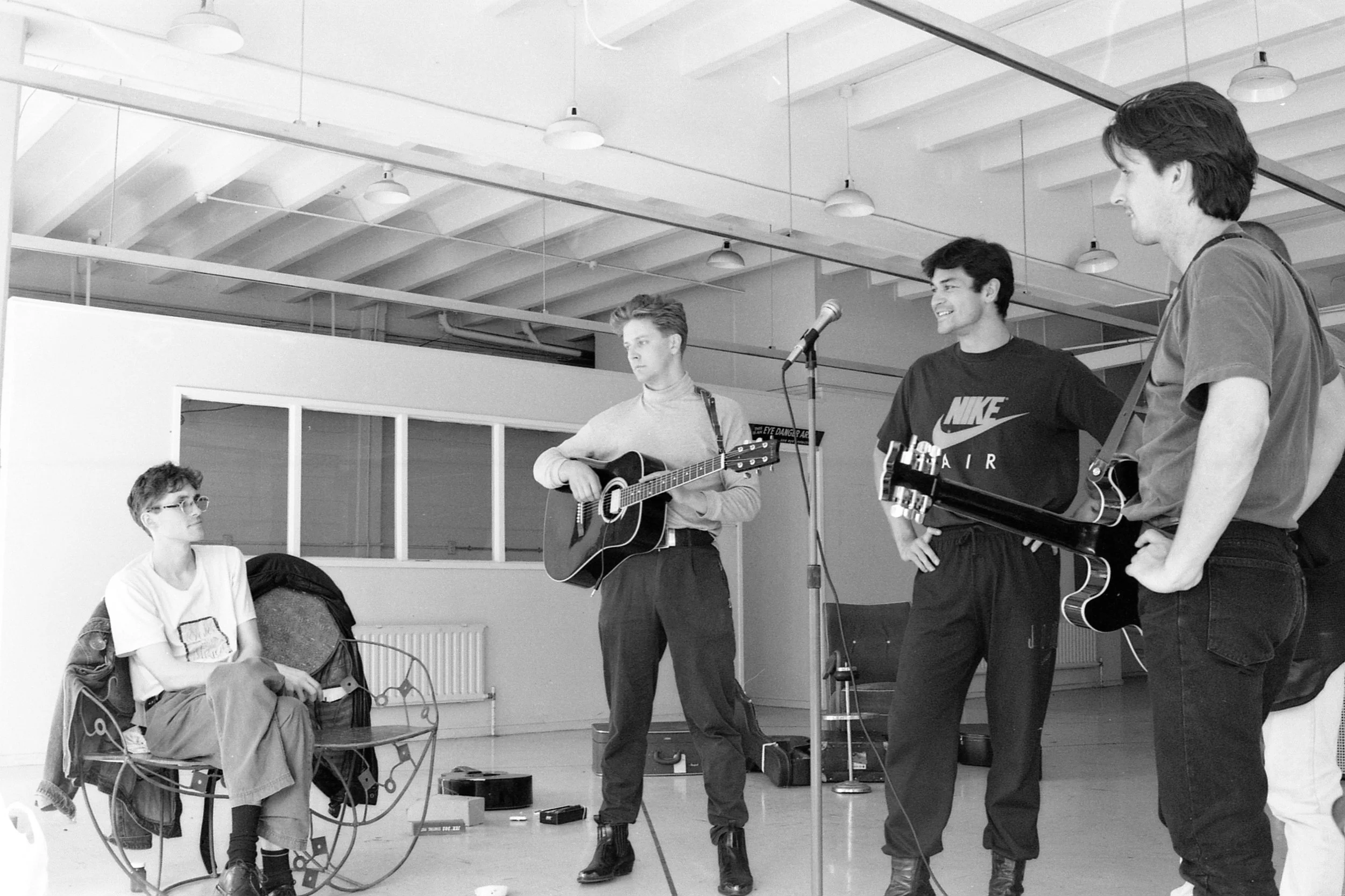
Rehearsing Blue Sky Boys with Michael Galvin, Darren Young and Tim Balme 1994
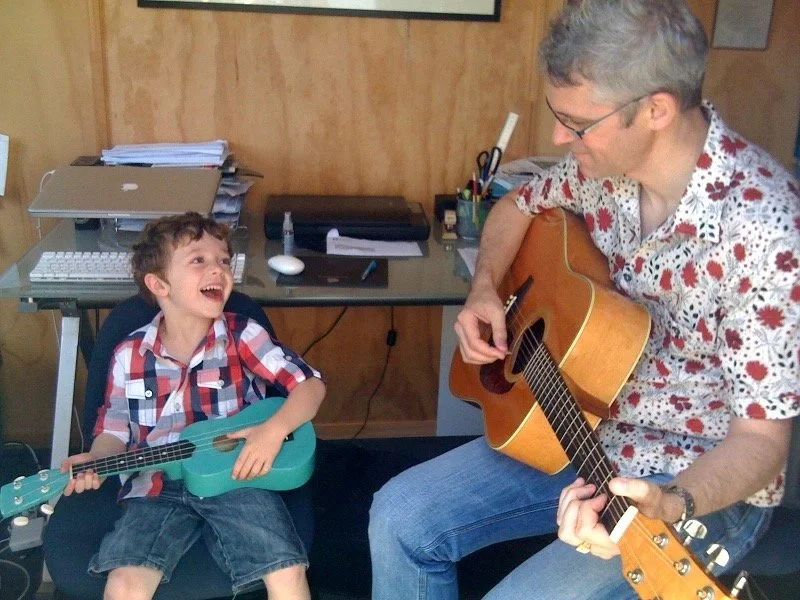
My taste ranges widely, but I’m particularly drawn to artists with a distinctive voice and a strong sense of emotional truth.
Music also reminds me that craft doesn't have to announce itself. The most affecting work can feel effortless while concealing extraordinary precision underneath.
STORY · PEOPLE · PERFORMANCE · PROCESS
These four ideas increasingly define my practice.
STORY
I’m fascinated by how stories work: structure, character, rhythm, tension, epiphany and change. I want to understand what a story is really about before deciding how to tell it. The form should emerge from the material, rather than being imposed upon it.
PEOPLE
I’m not interested in heroes or villains. I’m interested in people.
My responsibility as a storyteller is not to prosecute or defend characters, but to understand them deeply enough that they become irreducibly human.
PERFORMANCE
I’m interested in the relationship between performance and audience. There is extraordinary complexity in the moment when an actor stops demonstrating a character and begins to inhabit them. That requires trust, imagination, precision and a willingness to discover something neither actor nor director quite expected.
PROCESS
I’m process-driven rather than result-driven.
I don’t believe the director’s job is to arrive with all the answers. The work needs a clear direction, but the process should remain open enough for discoveries to change it.
I want the rehearsal room — or the writers’ room, the edit suite, the set — to be a place where people can take risks, challenge assumptions and discover something better than the idea we started with.
THE NEXT CHAPTER
After completing Power Rangers, my practice has increasingly returned to theatre and to developing new work for screen.
I’m currently directing new theatre work while developing original television and film projects, including a feature film rooted in memory, family and the act of remembering.
It feels less like a change of direction than a return to something fundamental.
Theatre was my first creative home. Television taught me how to lead at scale. Screen offers other possibilities again.
What remains constant is the desire to make interesting work with good people — work that takes risks, rewards attention and gives audiences an experience they won't easily forget.
ELSEWHERE
Interviews, conversations and other places to hear more about the work.
NZ On Screen
ScreenTalk Interview / profile
RNZ — Playing Favourites with Kim Hill
Radio interview
National Library of New Zealand — Simon Bennett
Profile / archive
Theatre Archives New Zealand — Simon Bennett
Oral history / archive
Beyond Broadcast
Podcast interview
Don't Encourage This
Podcast interview
Breakfast Chats
Podcast interview