THEATRE
Theatre is my creative home
I’ve been directing theatre since the late 1980s, working across Shakespeare, new New Zealand writing, contemporary drama and musical theatre.
I’m drawn to stories with strong characters, complexity, humour and the capacity to surprise an audience. I’m particularly interested in the grey areas: irony, contradiction and moral ambiguity. I tend to distrust simple binaries — good and bad, right and wrong, hero and villain — and look instead for the complexity that makes characters and situations interesting and reflects the world as an audience experiences it.
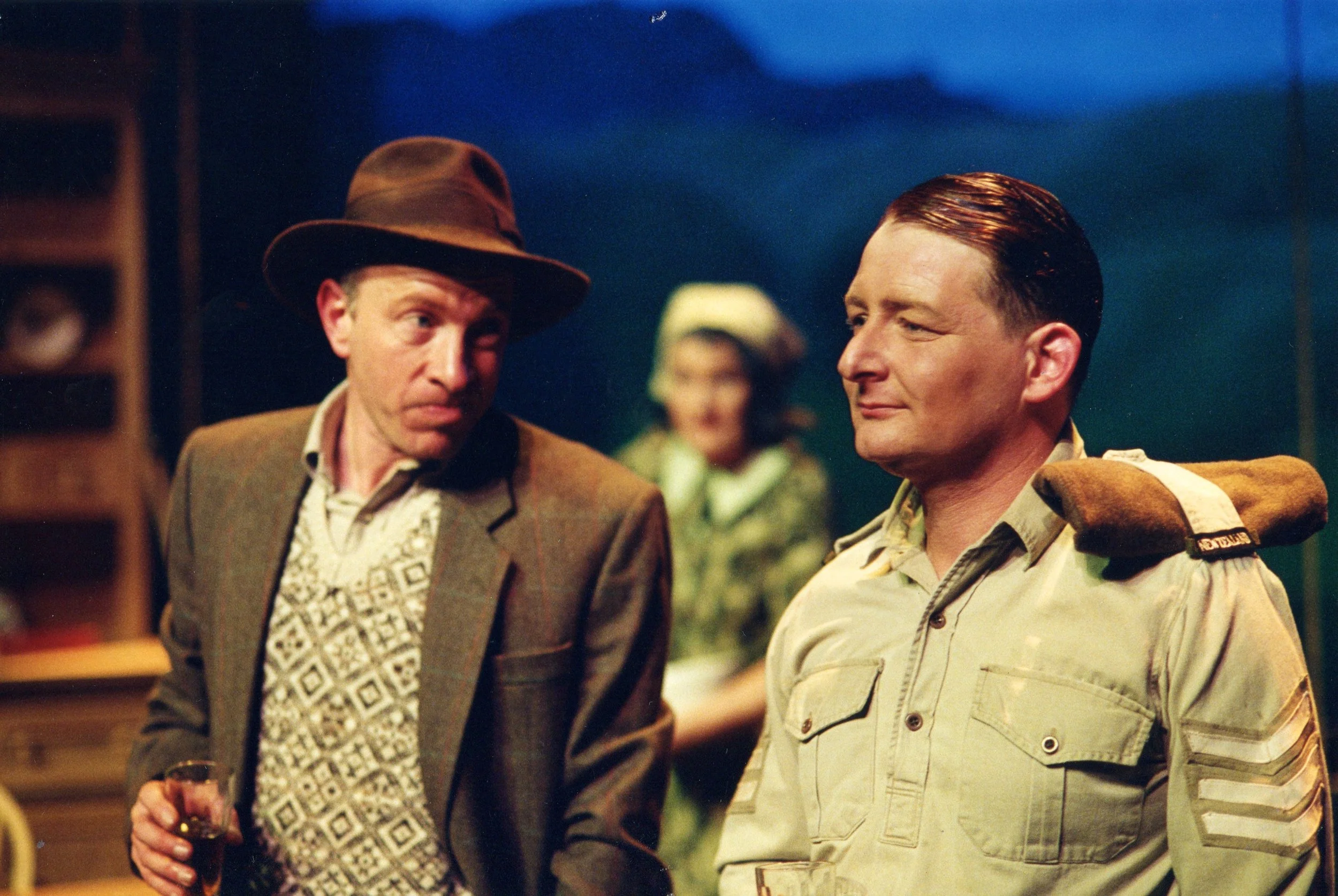
Mick Rose and Cameron Rhodes in A Way of Life
I embrace the ideas of ensemble and complicity: the sense that everyone in the room is part of the same act of imagination, and that audiences are collaborators in the experience rather than passive observers.
Theatre is also where my ideas about creative leadership began. I’m interested in creating the conditions in which actors, designers, writers and other artists can take risks, challenge one another and make something together that none of us could have made alone.
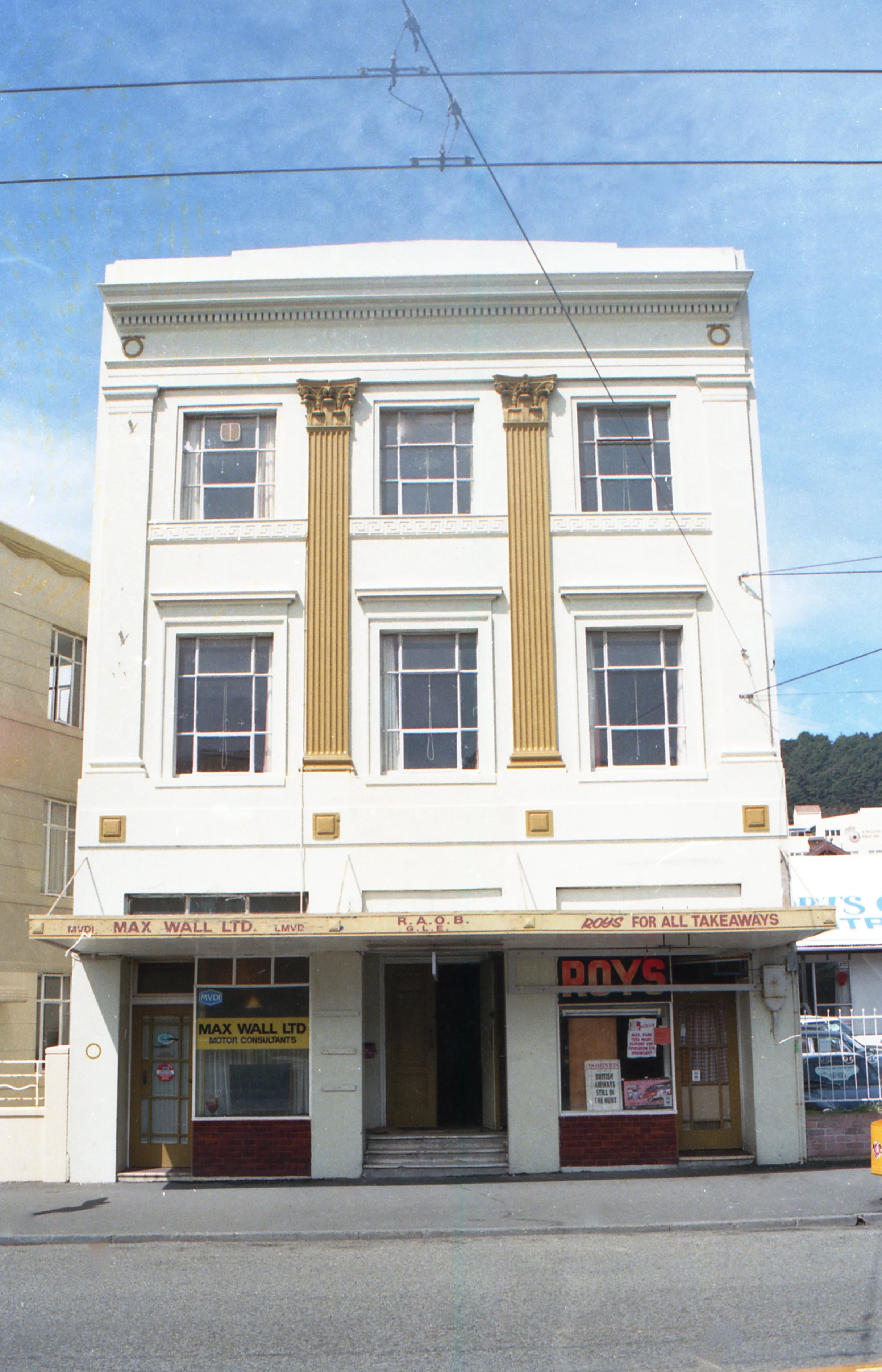
BATS Theatre building 1988
BATS
Building a theatre from the ground up
In 1989, aged 24, I took over the lease of the run-down BATS Theatre in Wellington with Simon Elson. Together, we established it as Wellington’s fourth professional theatre, creating a fresh identity centred on new work, emerging practitioners and new audiences.
We wanted theatre to be ambitious, immediate, accessible and entertaining. We wanted ticket prices to be affordable and the experience of going to the theatre to feel more like going to a rock gig than attending an elitist cultural institution.
BATS became a home for new writing, experimental work and emerging artists — and continues to be a training ground for generations of New Zealand theatre-makers.
It was also where I began to understand that creative leadership is about creating the conditions in which other people can excel.
Jism — by Ken Duncum & Rebecca Rodden
Directed at BATS in 1989, Jism marked the beginning of my professional directing career.
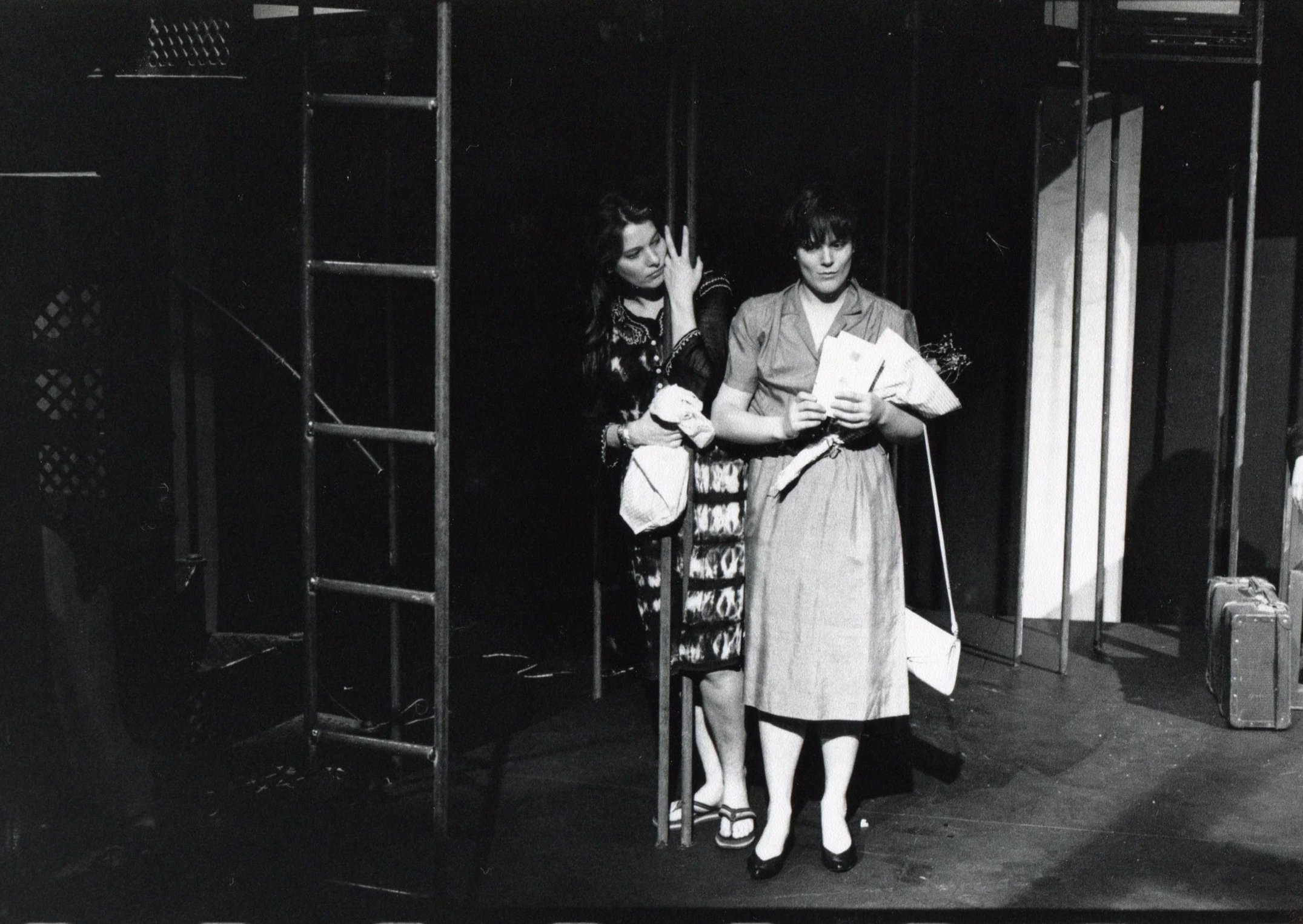
Kerry Fox and Emma Robinson
SELECTED WORK
SHAKESPEARE
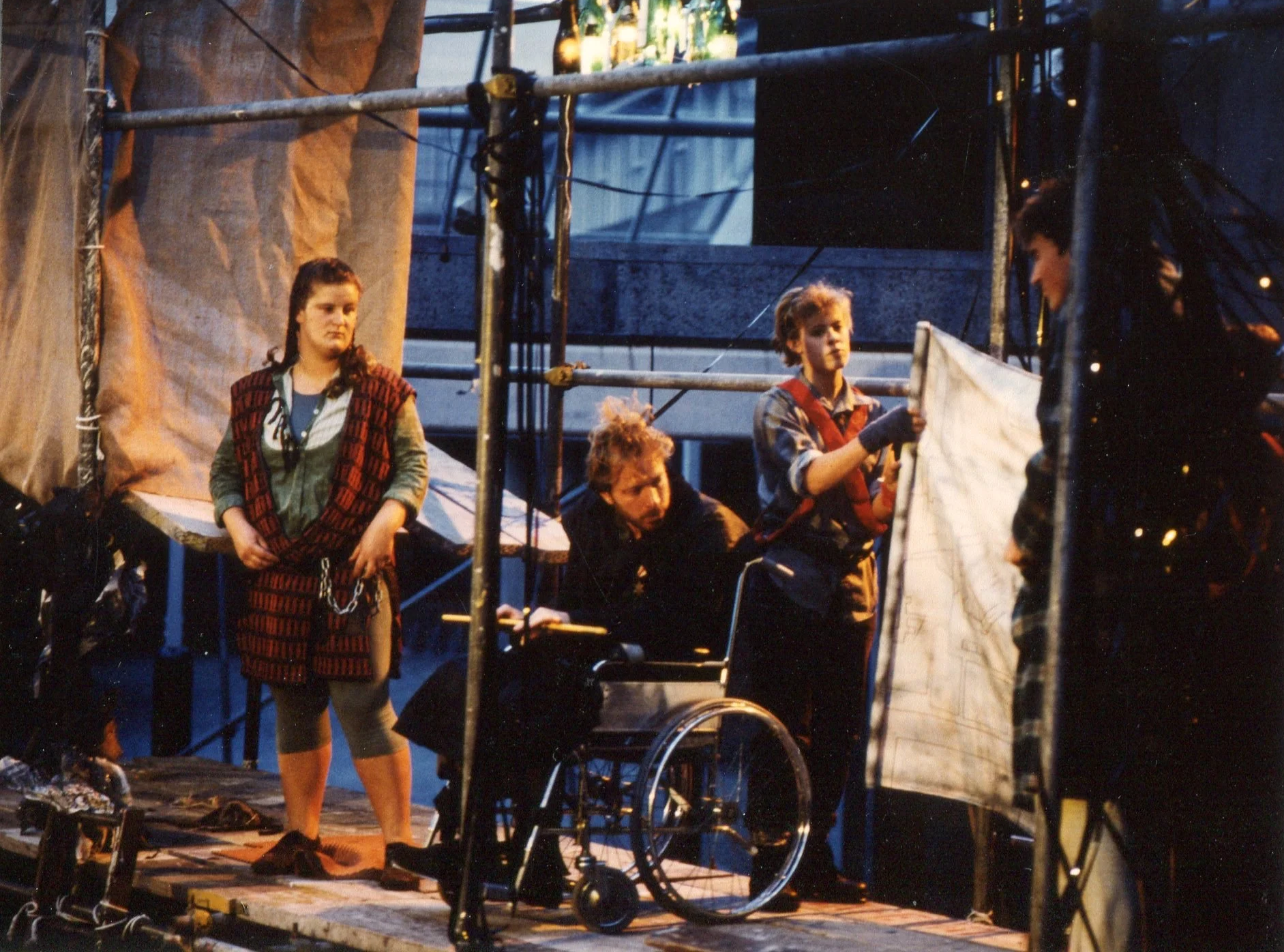
King Lear
Victoria University Summer Shakespeare 1988
An early Shakespeare production and an important part of my development as a director.
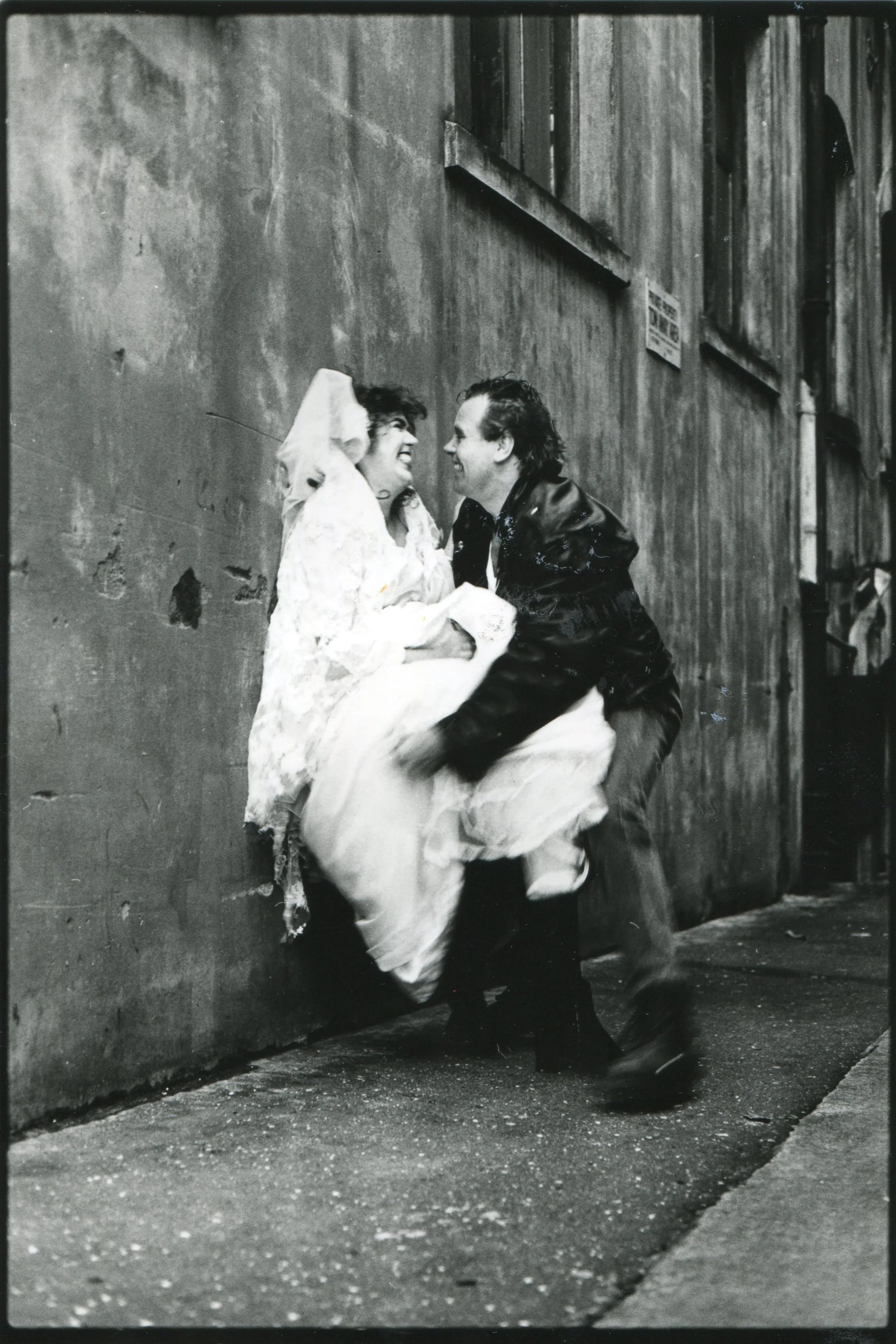
The Taming of the Shrew
Nomis Productions, Watershed Theatre 1991
A contemporary, energetic approach to Shakespeare's comedy.
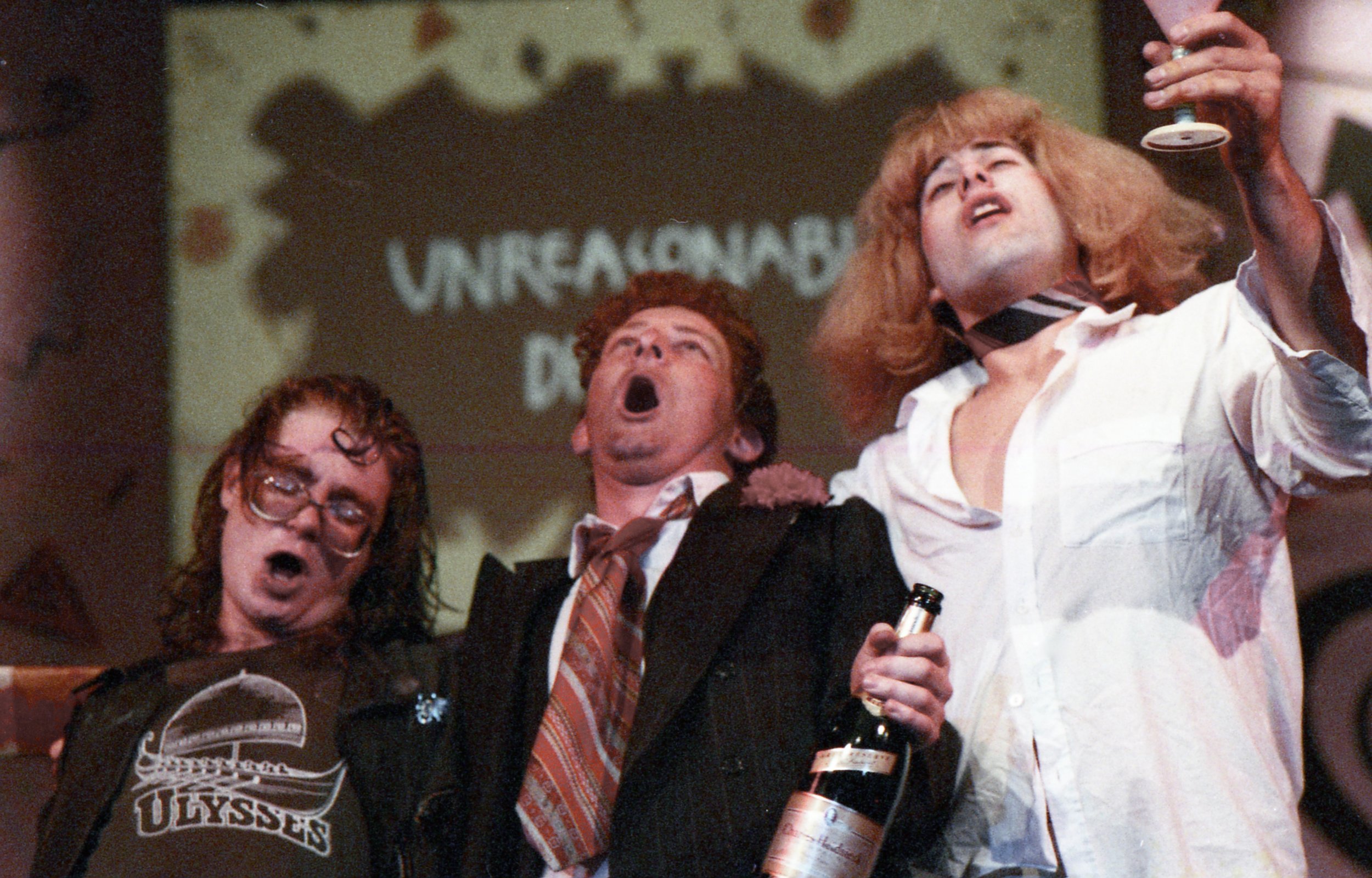
Twelfth Night
Depot and BATS Theatres 1989
A production grounded in the play's madcap comic energy and emotional complexity.
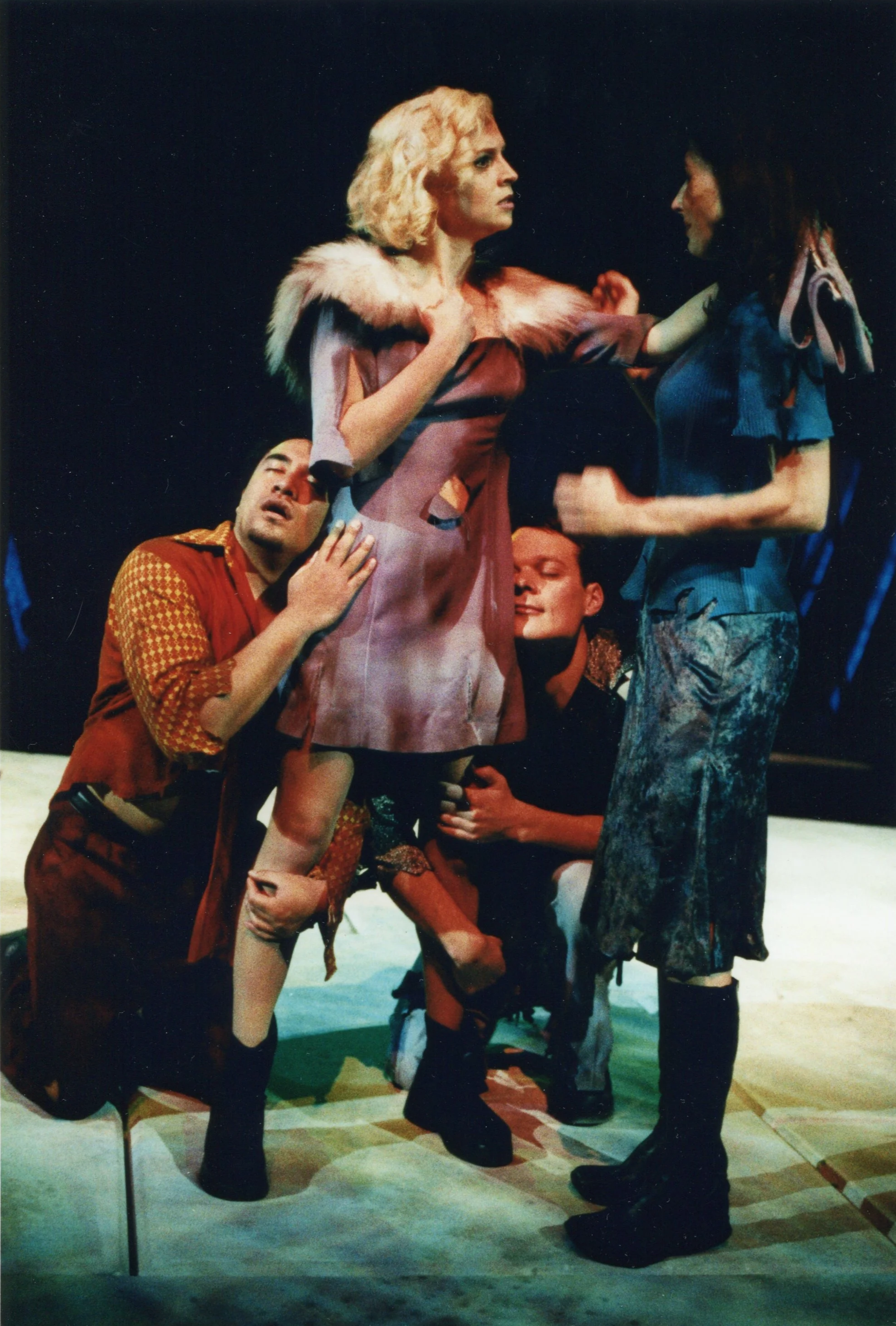
A Midsummer Night’s Dream
New Zealand Actors’ Company 2000/2001
A large-scale touring production created with the New Zealand Actors’ Company.
NEW ZEALAND WRITING
Blue Sky Boys — Ken Duncum
One of the most significant productions of my early career.
I directed Blue Sky Boys three times over six years — at BATS in 1990, the Maidment in 1994, and on a national tour in 1996.
Ken Duncum's writing has been an important part of my theatrical life. I’m drawn to his ability to combine comedy and tragedy, irony and emotional depth, and to create characters driven to life-changing epiphanies.
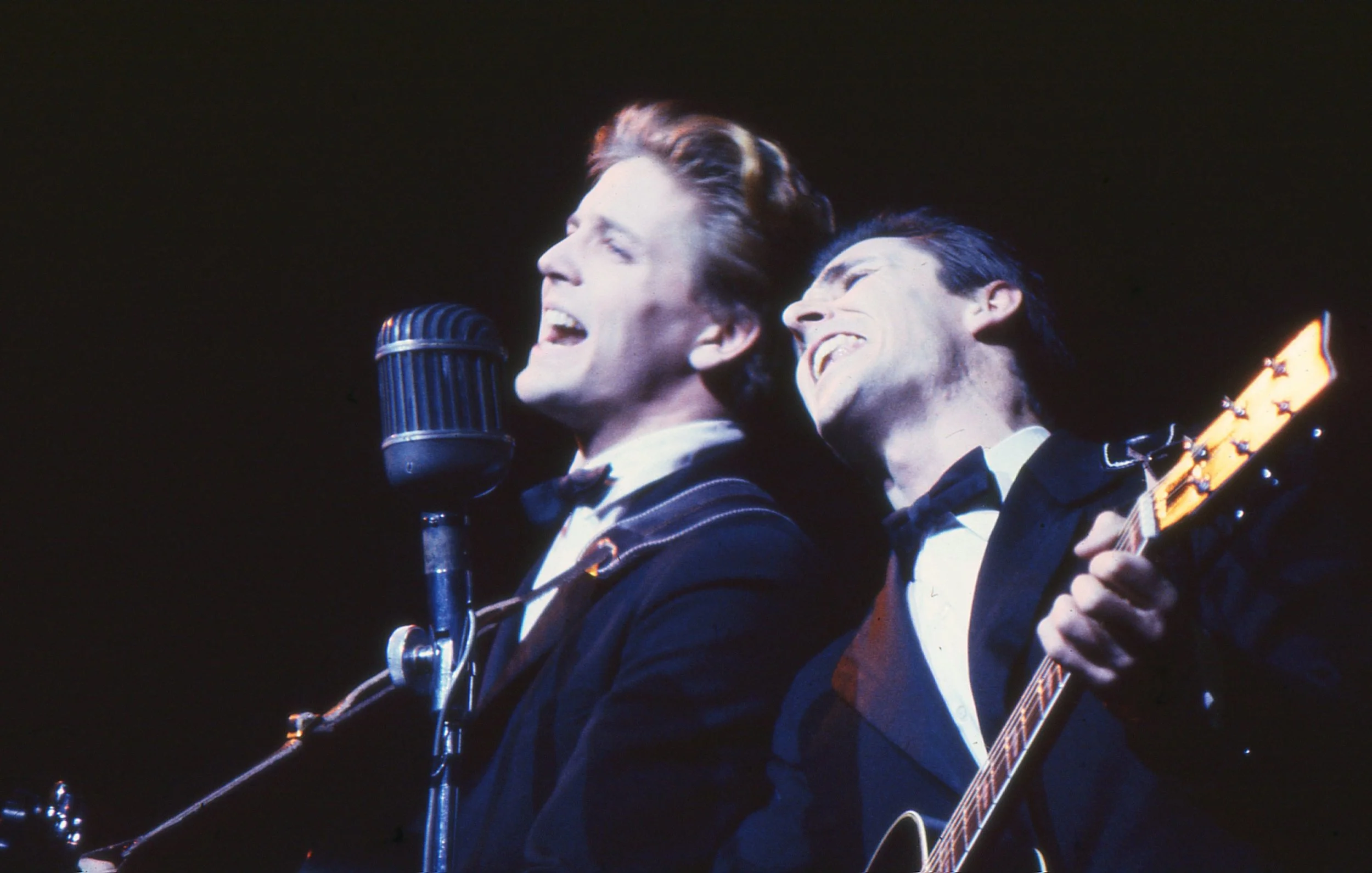
Michael Galvin and Tim Balme
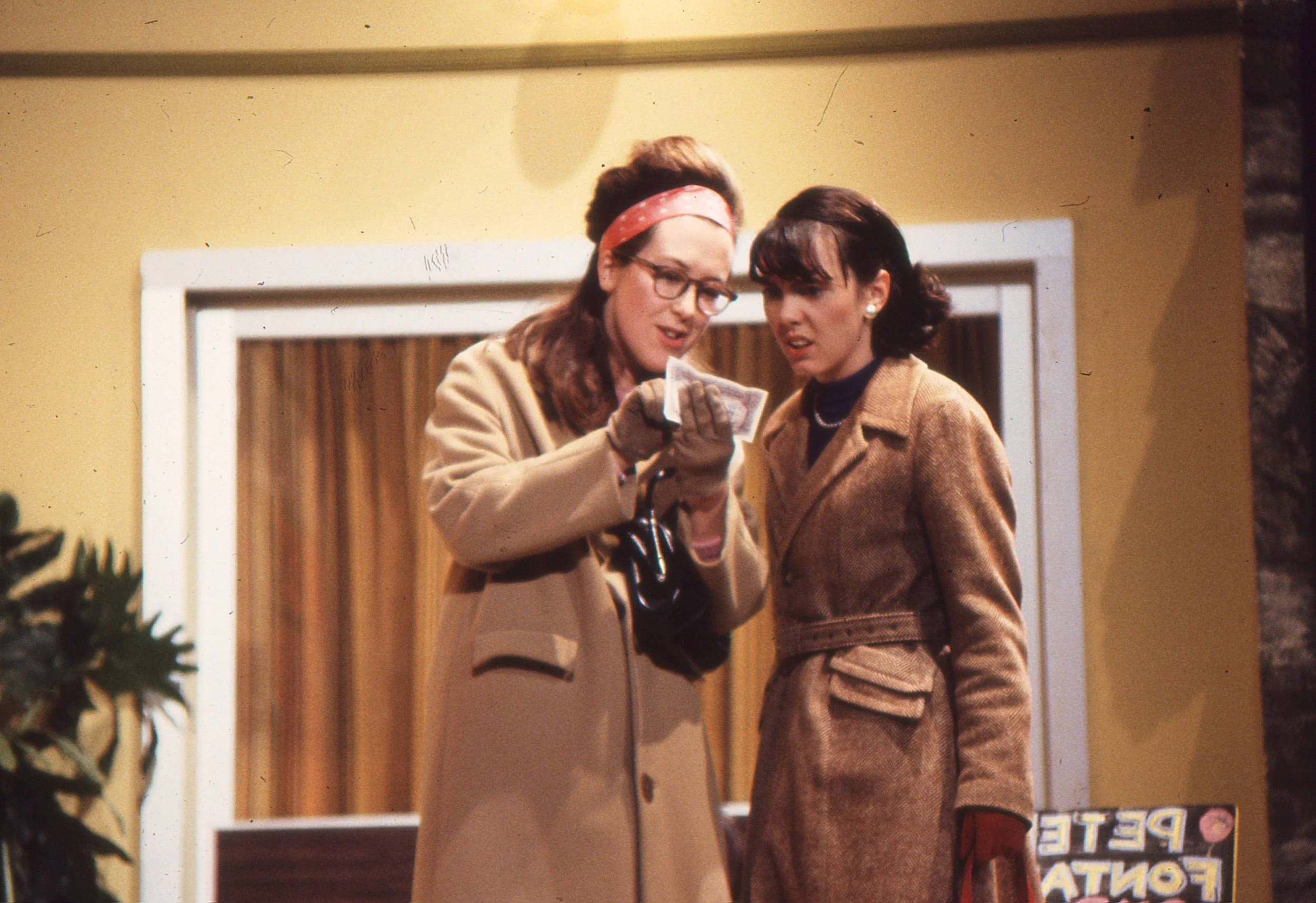
Stephenie Creed and Emily Perkins
Flipside — Ken Duncum
Circa Theatre 2001
A play based on the extraordinary true story of the survivors of the Rose Noelle.
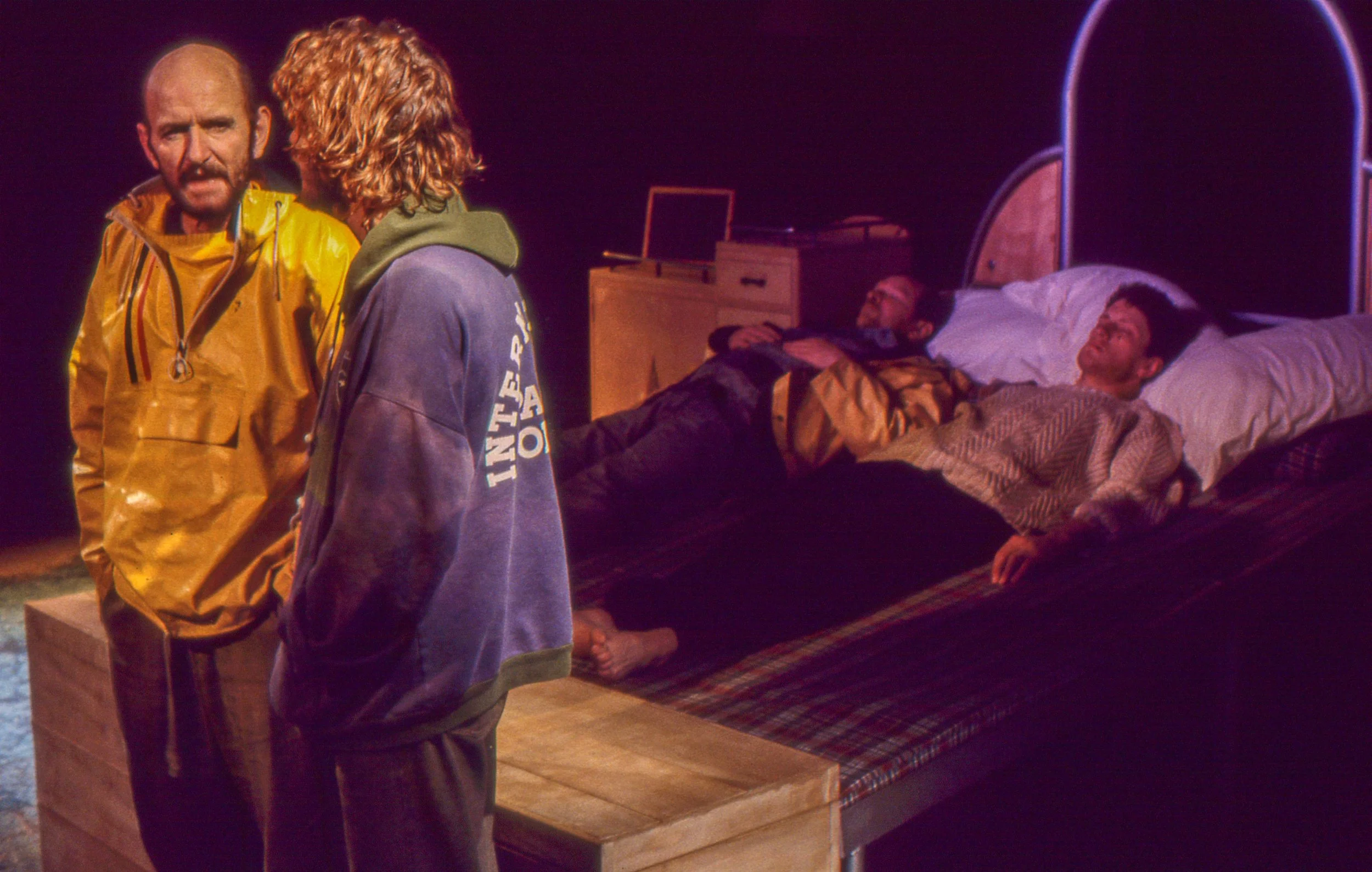
Eddie Campbell, Gareth Reeves, Timothy Bartlett and Tim Spite
Horseplay — Ken Duncum
Auckland Theatre Company 2010
My return to theatre directing after several years working in television.
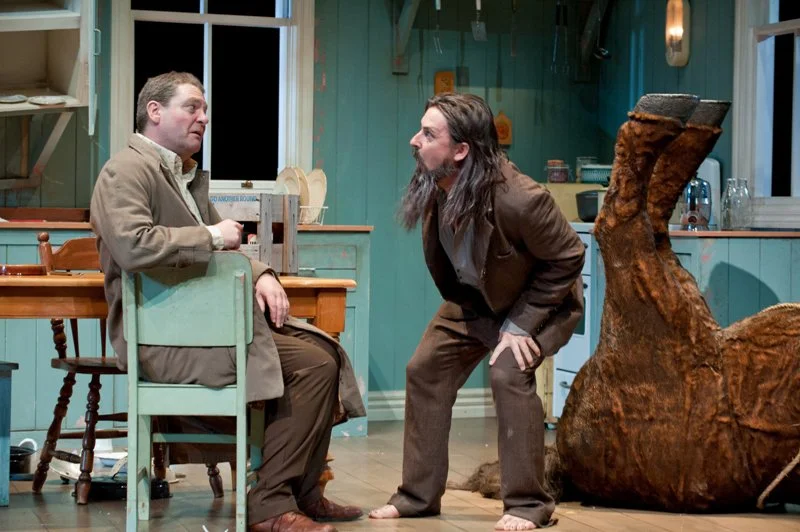
John Leigh and Tim Balme
Trees Beneath the Lake — Arthur Meek
Auckland Theatre Company 2012
A new play exploring memory, history, greed and the stories we construct around the past.
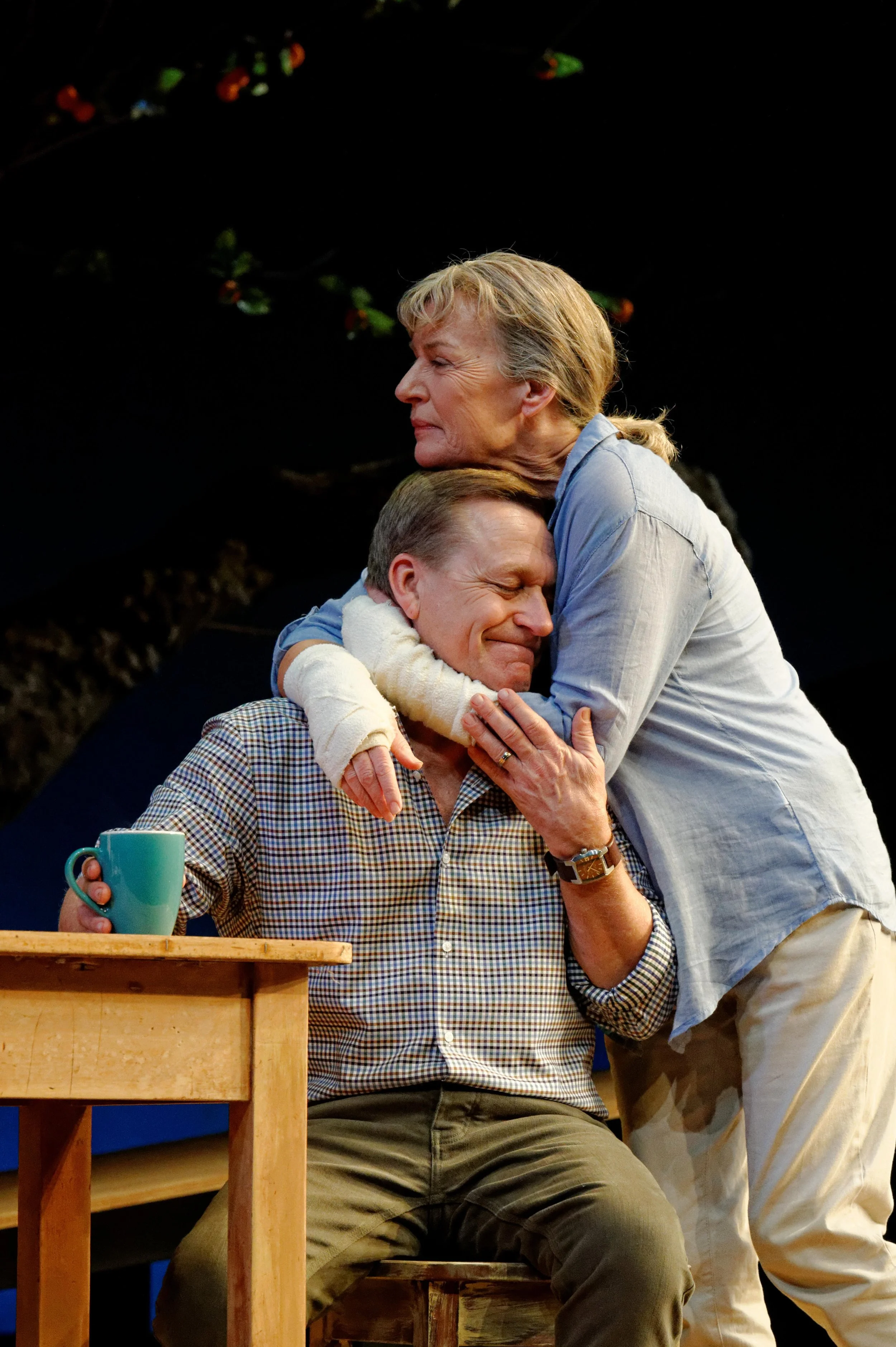
Michael Hurst and Catherine Wilkin
MUSICAL THEATRE
Stephen Sondheim has been a major influence on the way I think about theatre — particularly his belief that content dictates form, and that precision and economy can create extraordinary theatrical effects.
Into the Woods — Stephen Sondheim and James Lapine
Watershed Theatre 1994
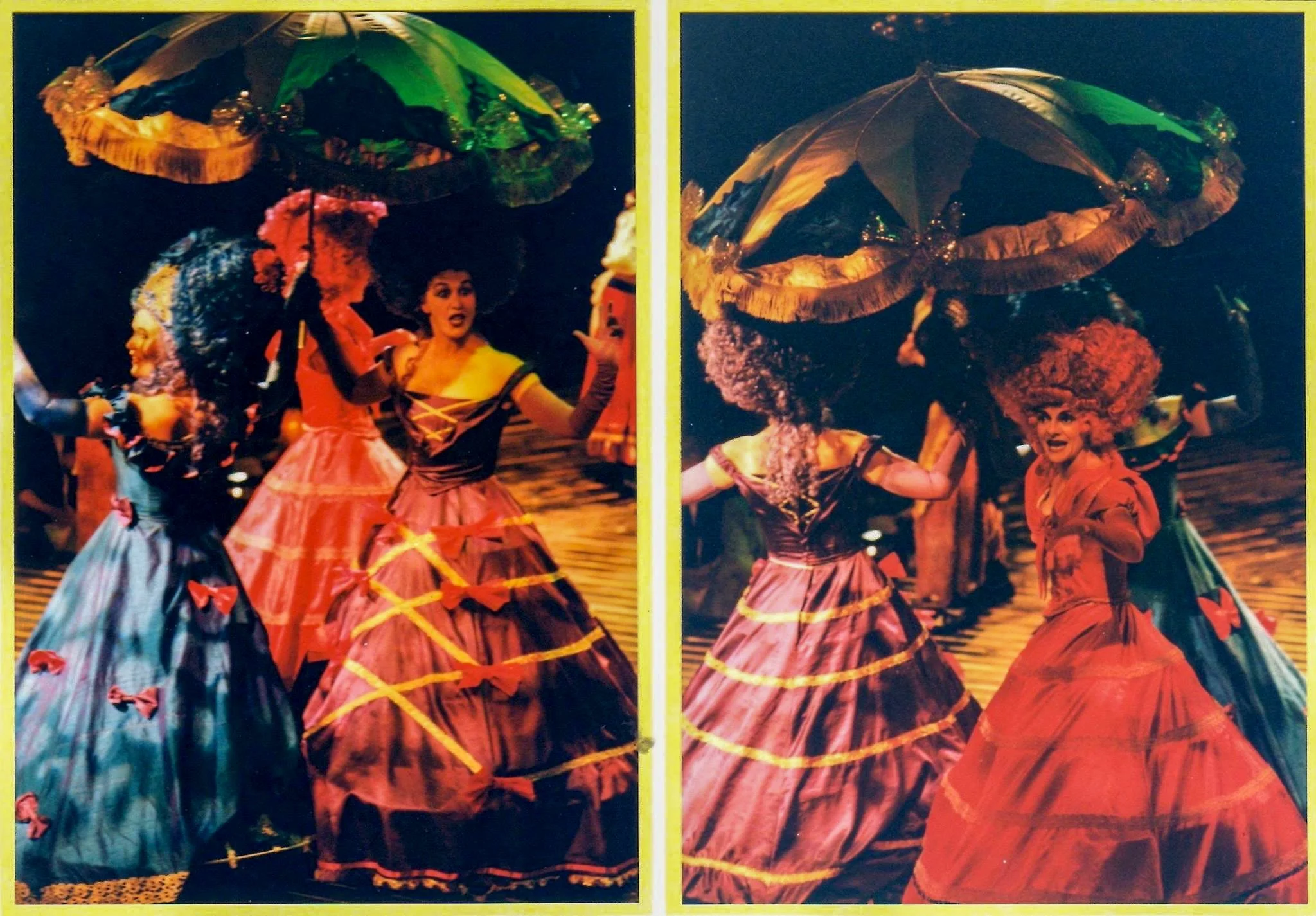
Sylvia Rands, Harriet Crampton and Miranda Harcourt
Assassins — Stephen Sondheim and John Weidman
Watershed Theatre 1996
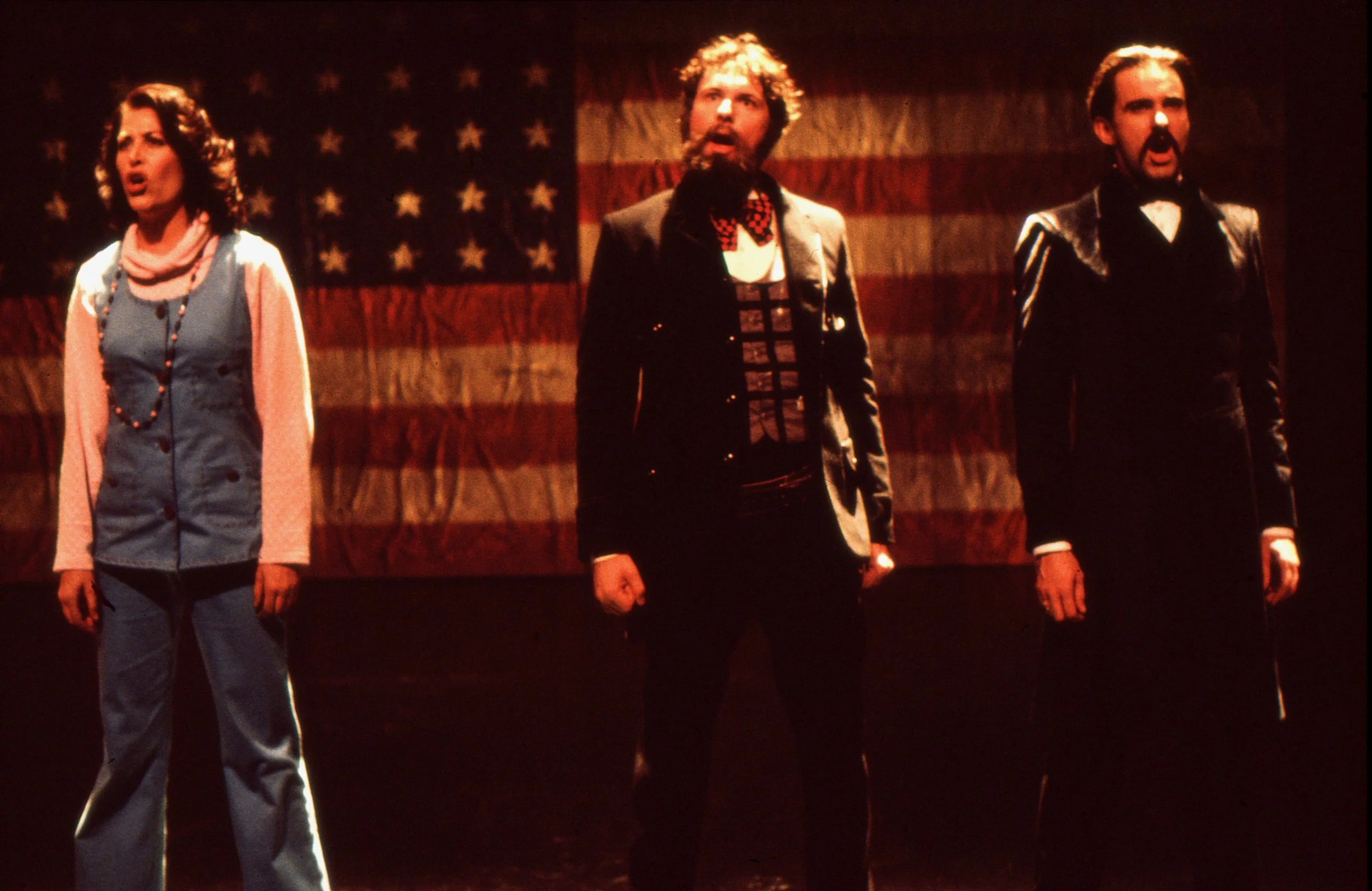
Jennifer Ward-Lealand, Andrew Binns and Andrew Laing
Merrily We Roll Along — Stephen Sondheim and George Furth
Toi Whakaari/NZ Drama School 2019
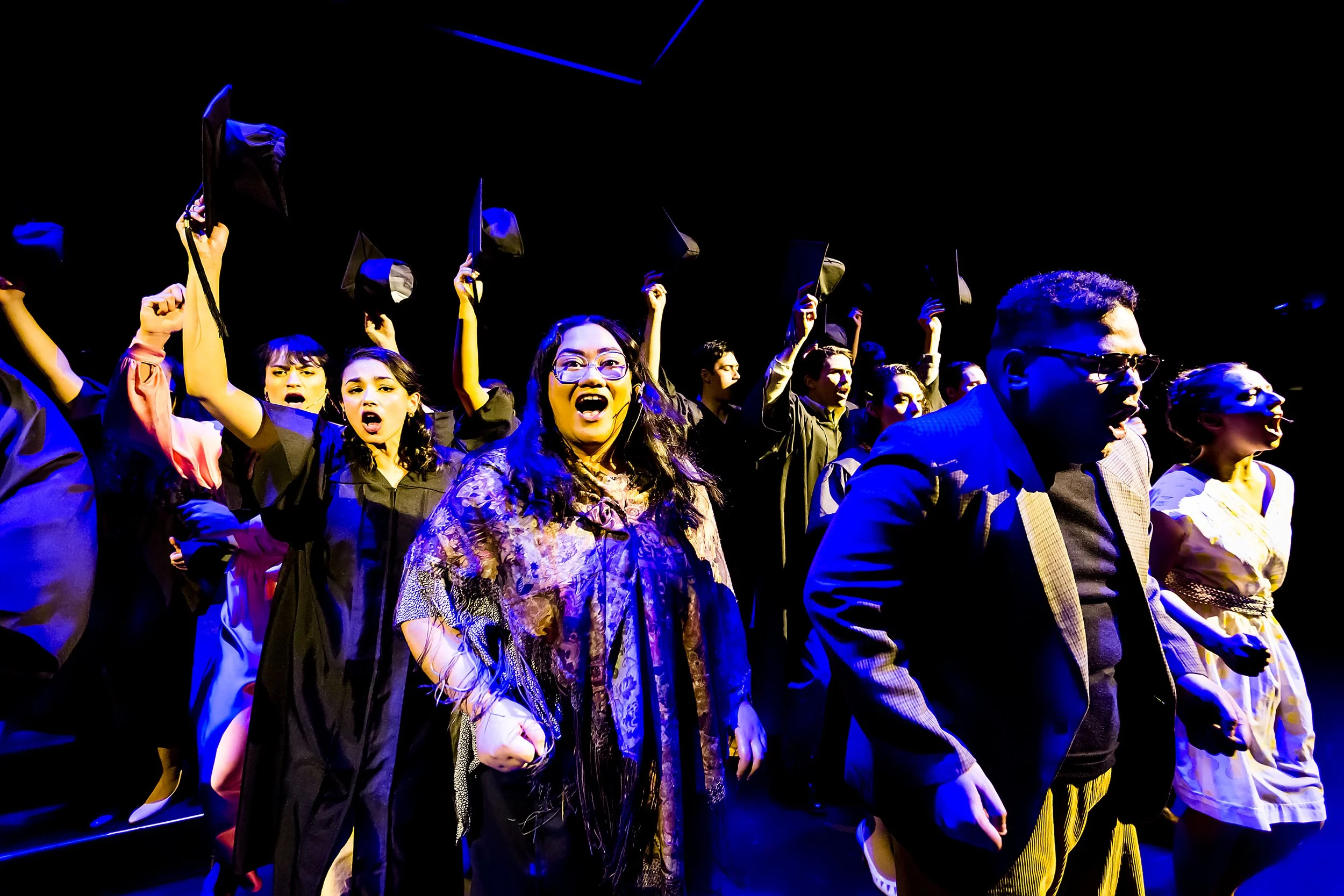
THE NZ ACTORS’ COMPANY
Taking ambitious theatre beyond the main centres
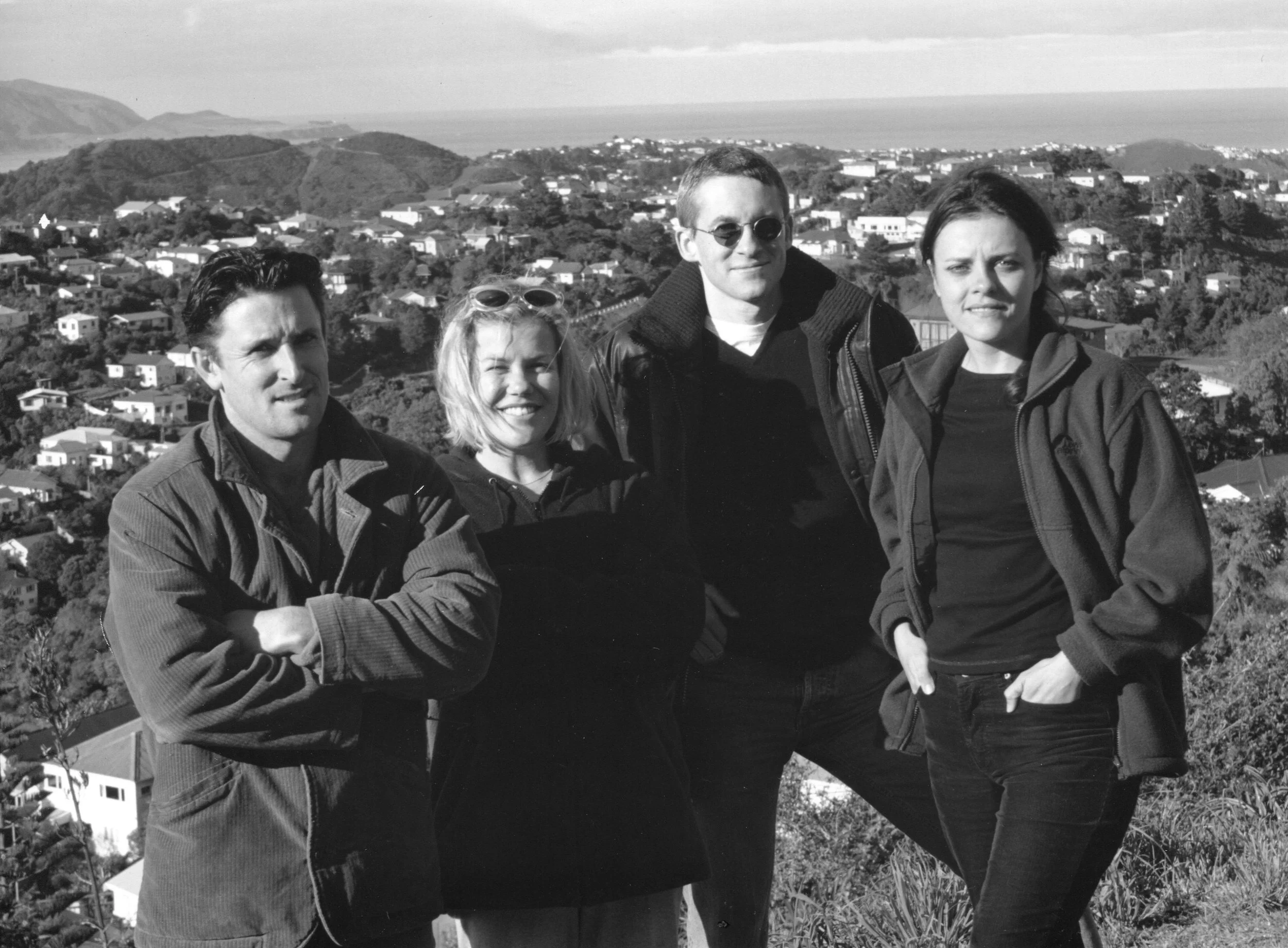
In 2000, together with Tim Balme, Robyn Malcolm and Katie Wolfe, I established the New Zealand Actors’ Company.
Touring was at the heart of our ambition. We wanted to take large-scale, ambitious theatre to the provinces as well as the main centres, making work of the highest quality available to audiences beyond the traditional metropolitan theatres.
Our manifesto was simple: theatre should be accessible, unpretentious, compelling and of the highest quality.
We deliberately worked with actors who had high profiles through their television work, helping to attract audiences who might not ordinarily attend theatre.
Our productions included A Midsummer Night’s Dream and Roger Hall’s A Way of Life. Both productions were highly successful with audiences. The experience reinforced something I had first learned at BATS: great theatre doesn't need to be elitist, and accessibility doesn't have to mean compromising quality.
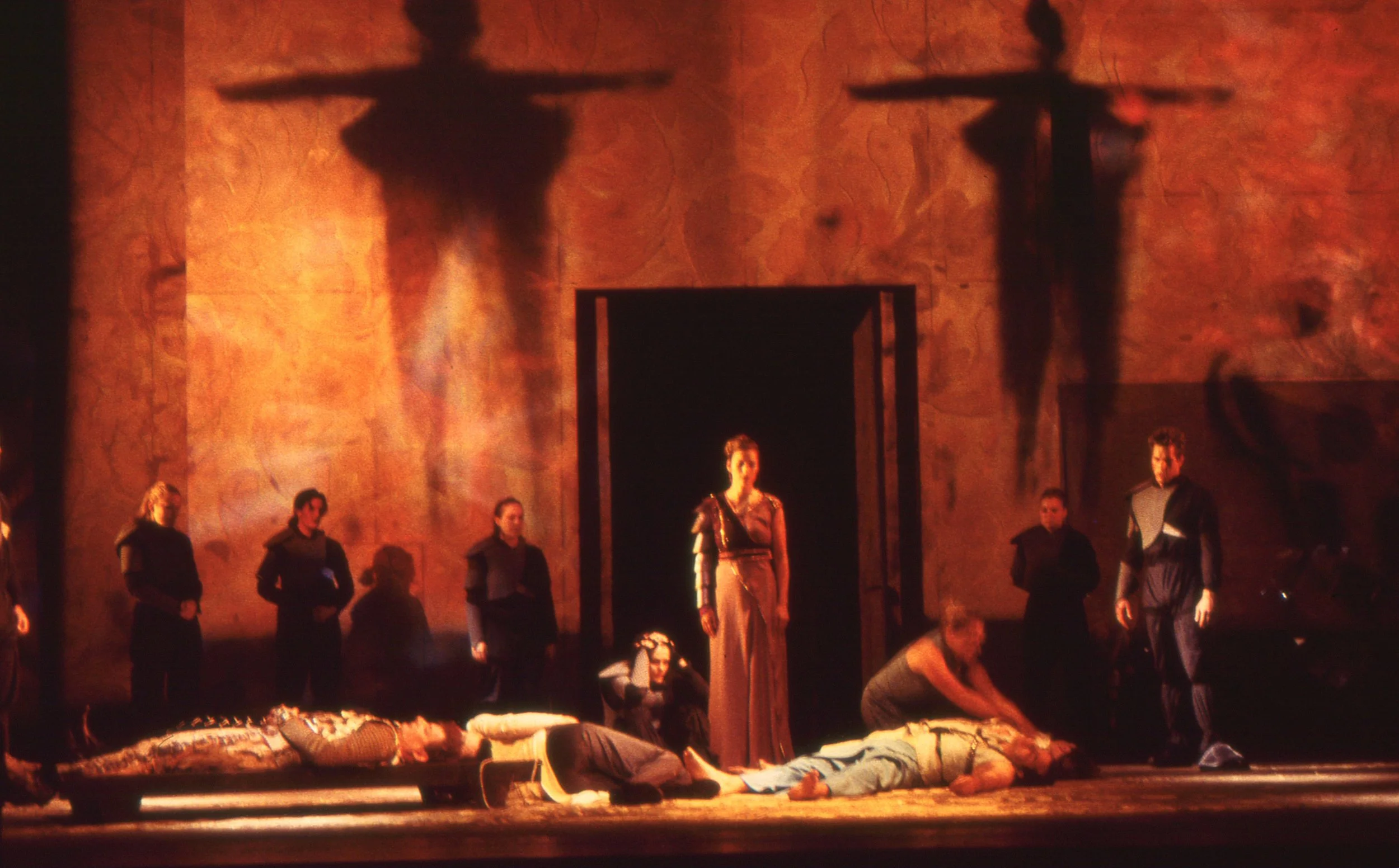
Leah
Leah became one of the more difficult experiences of my theatre career. The production ultimately failed, and the experience taught me some important lessons about creative judgement, leadership and the responsibility that comes with bringing a group of artists together around a project.
It is part of the story too.
THE WORK THAT INTERESTS ME
I’m drawn to work that doesn't give up its possibilities too easily.
I want to find the things beneath the obvious interpretation: the contradiction in a character, the unexpected rhythm in a scene, the joke hidden inside the tragedy, the darkness inside the comedy.
I’m particularly interested in stories that resist easy answers — where characters can be sympathetic and difficult, funny and painful, generous and selfish. The grey areas are usually where the most interesting drama lives.
And I want the text to engage with the particular people in the room.
A Shakespeare play should not be a reconstruction of someone else's Hamlet, Twelfth Night or A Midsummer Night's Dream. It should be our encounter with the play, made now, for this audience, by these artists.
That is where I think freshness comes from.
Not from trying to be different for its own sake, but from encountering the work anew.
THEATRE NOW
After many years working primarily in television and screen production, I'm returning to theatre with new work and new collaborations.
Auckland Theatre Company
Directing Misery by William Goldman, based on the novel by Stephen King
Circa Theatre
A new play by Ken Duncum.
Centrepoint Theatre
A new play co-written with Guy Langford.