BATS
Making a place for the work we wanted to see.
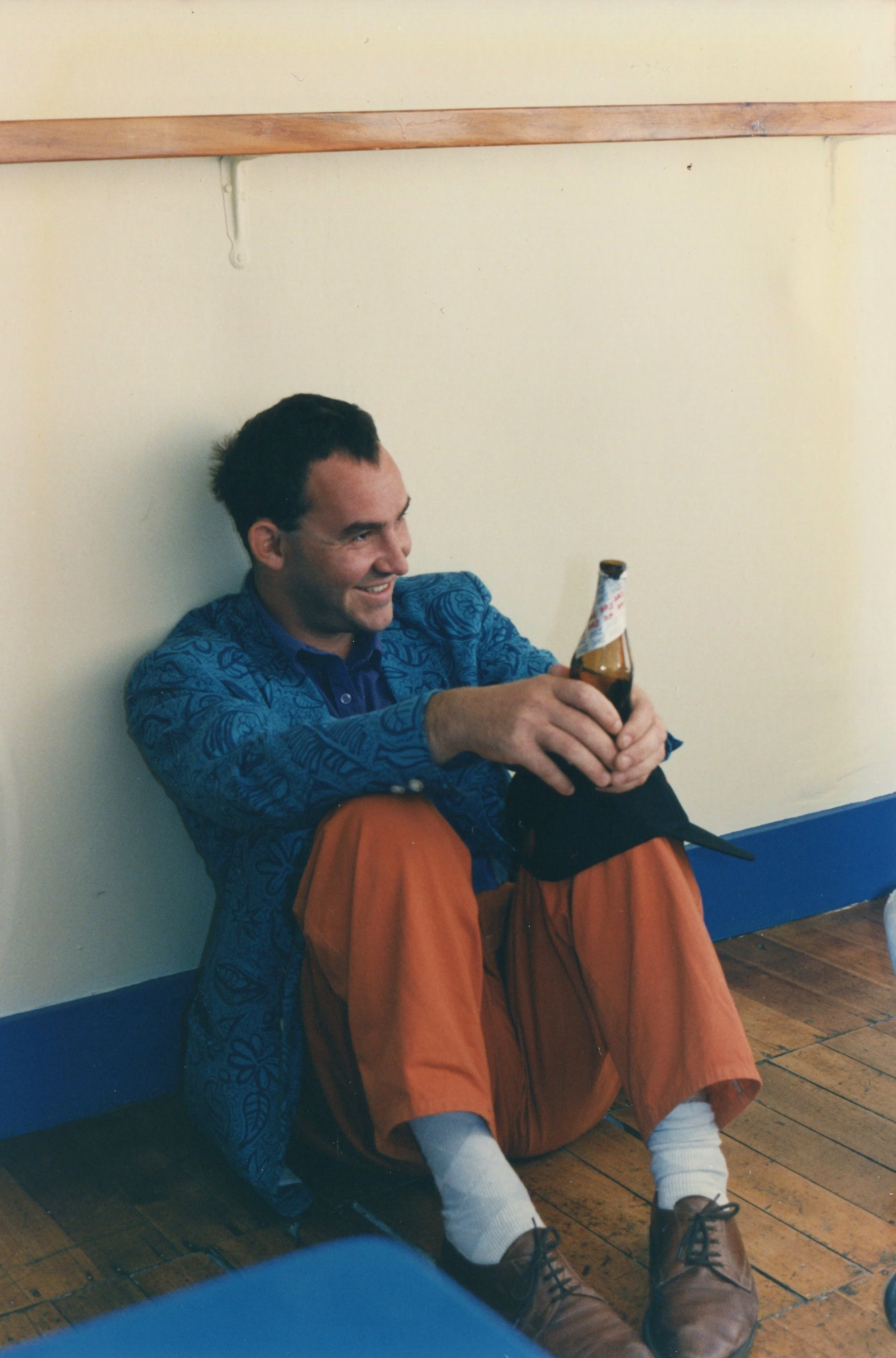
Simon E
1989
Simon Elson and I took over a shabby, semi-derelict venue-for-hire in Kent Terrace, Wellington, and transformed it into a professional theatre with a distinctive artistic identity.
We didn't set out to build an institution. We wanted to make a place for the kind of theatre we wanted to see: high quality, inexpensive, entertaining, accessible, new and experimental. There wasn't really a place for that work, so we redefined what BATS could be.
I had known the building since I was ten years old.
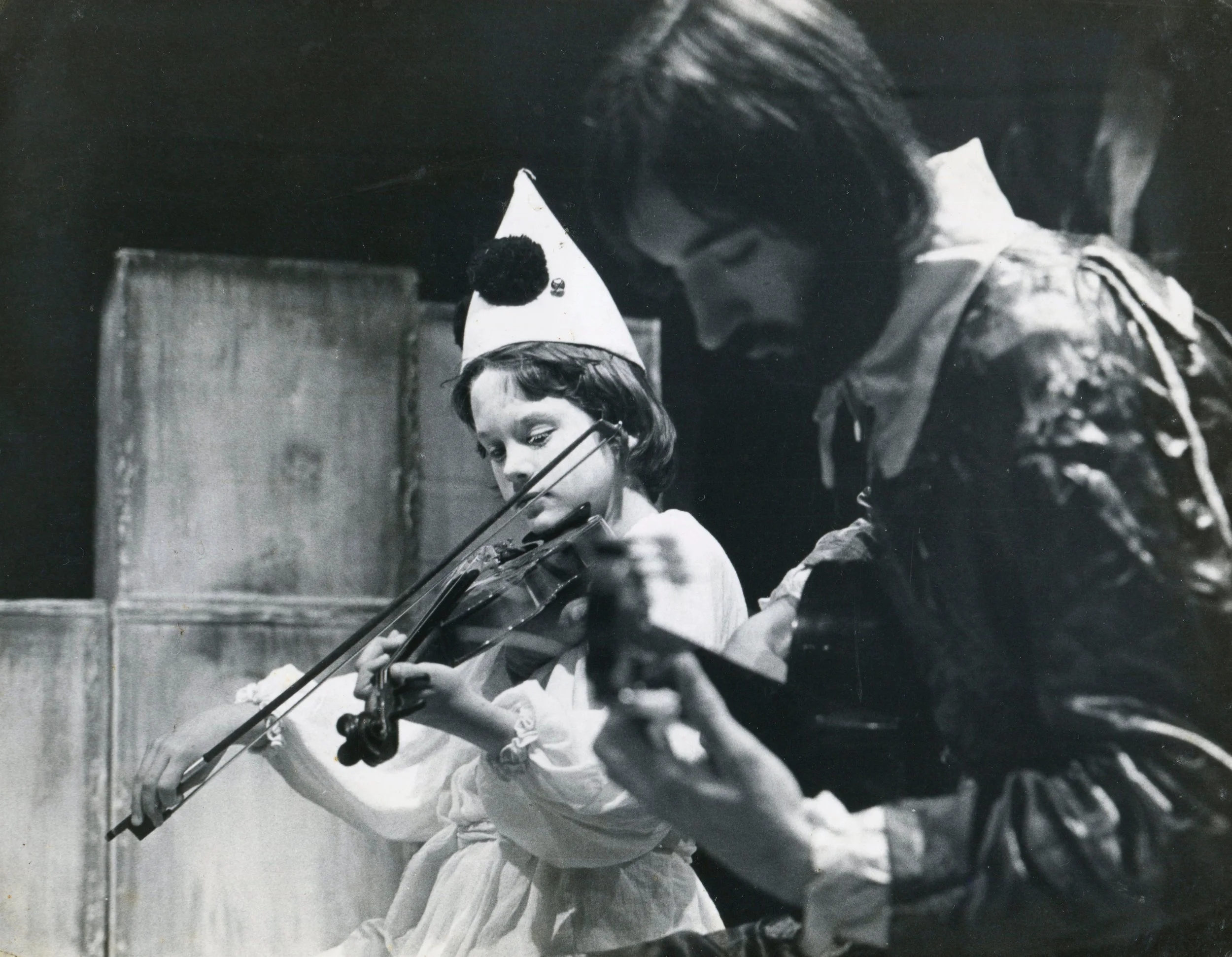
In 1975, I appeared in my father's production of Goldoni's The Venetian Twins at what was then called Unity Theatre.
I played the violin in the show.
I also slept in the props room under the stairs.
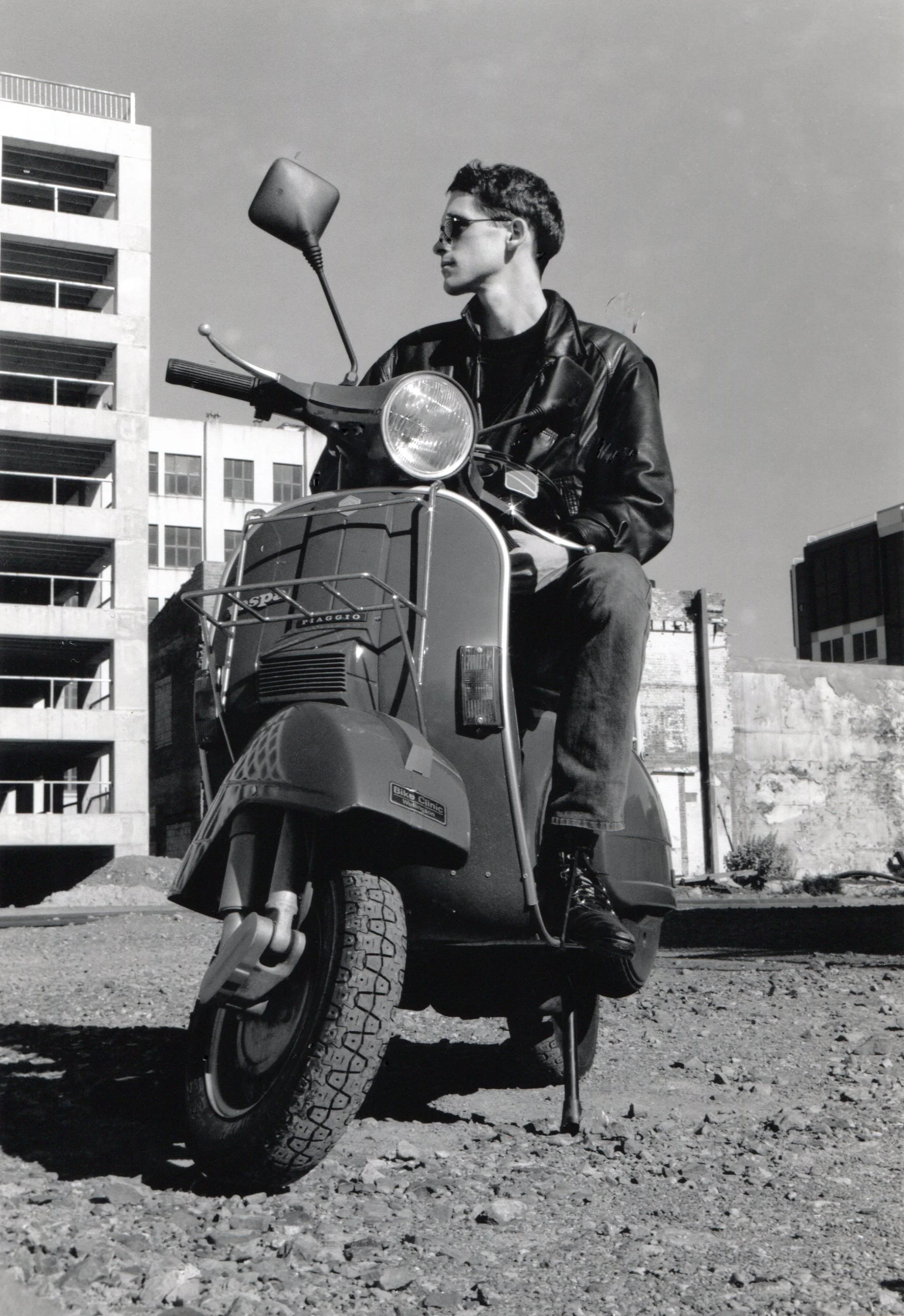
In the mid ’80s I performed there as a young actor, and as a Drama School student.
In 1988 I returned to the building with Simon Elson.
That makes BATS a particularly important thread in my life.
I was there as a child, came back as a young theatre-maker, and eventually helped create the institution that would occupy the building until the present day.
POSSIBILITY
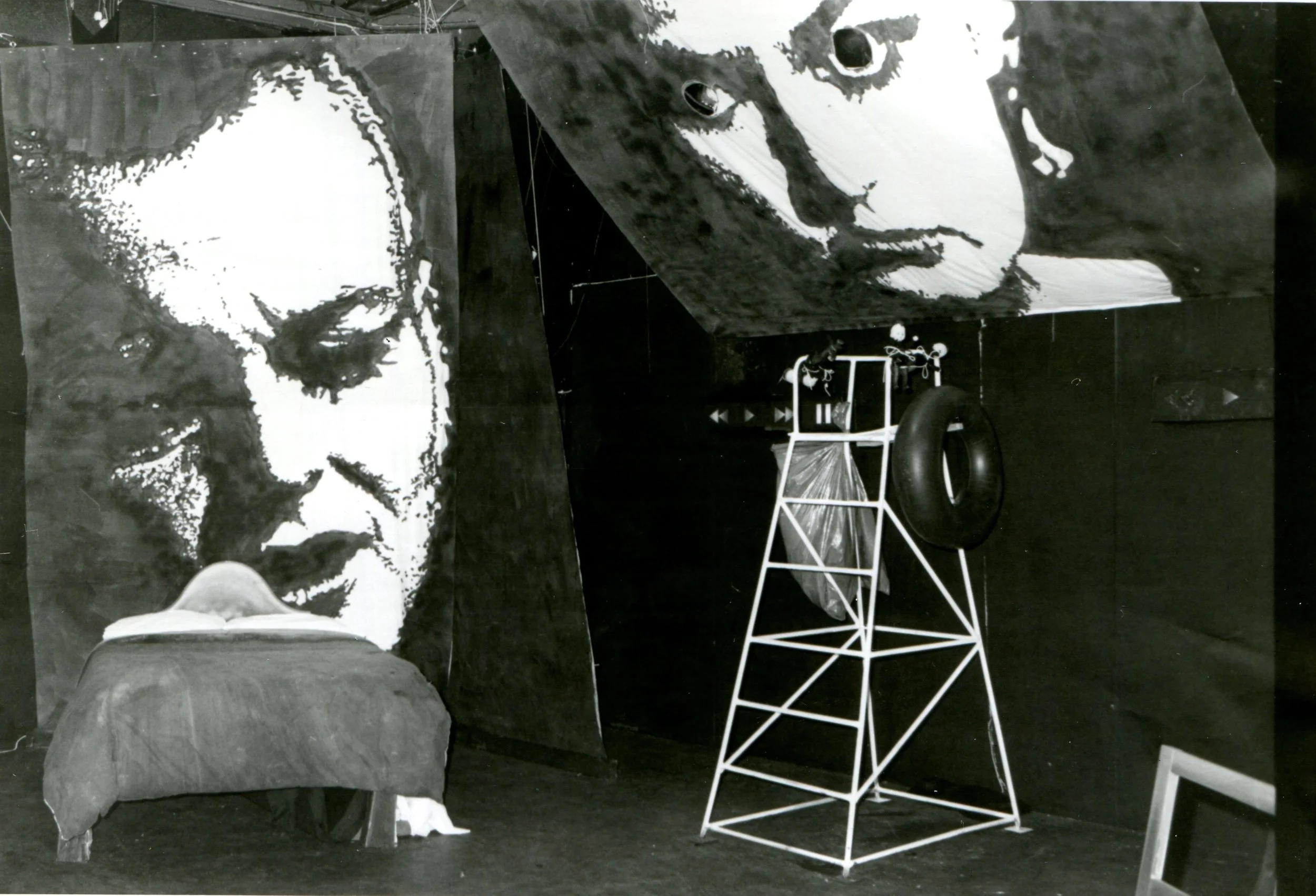
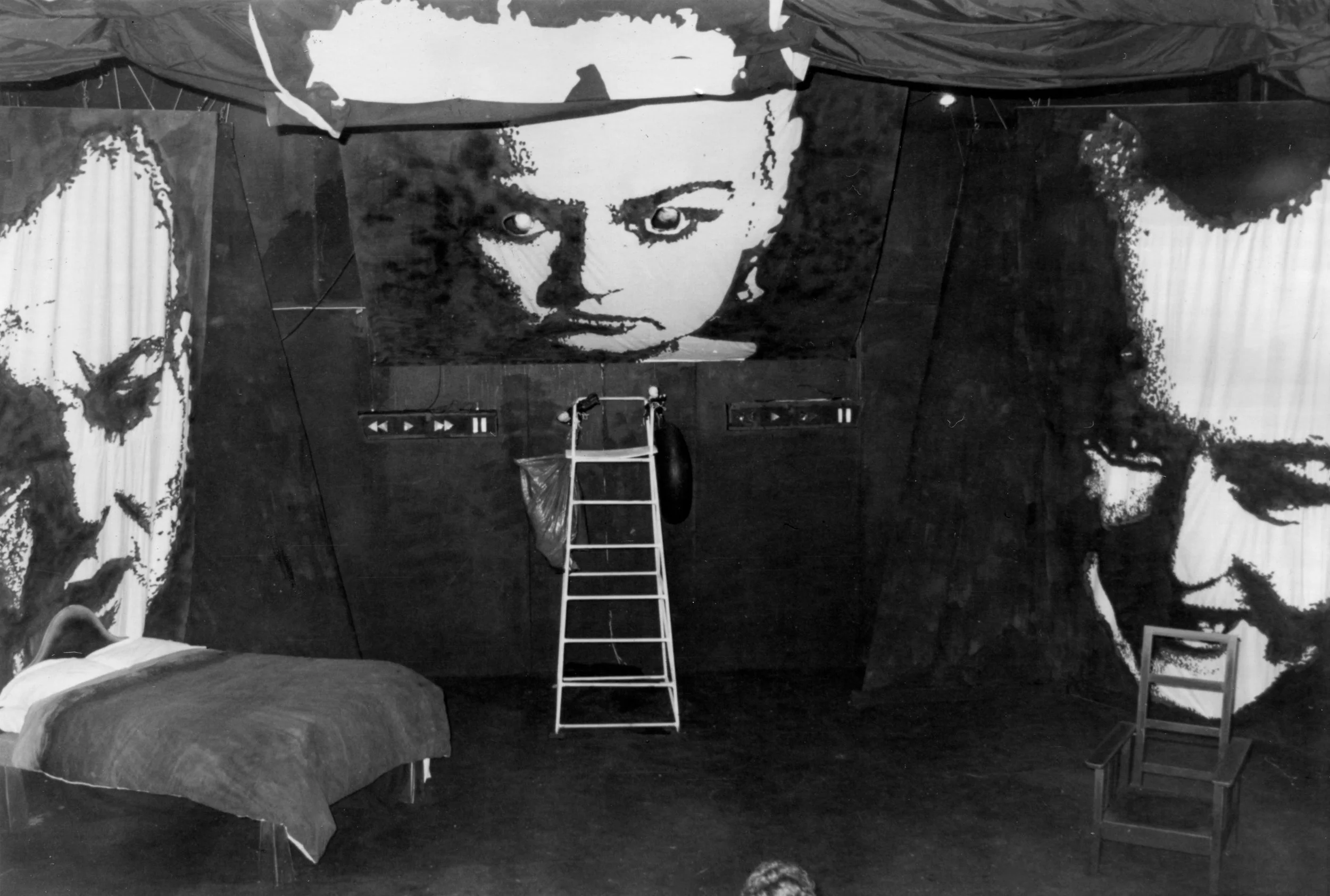
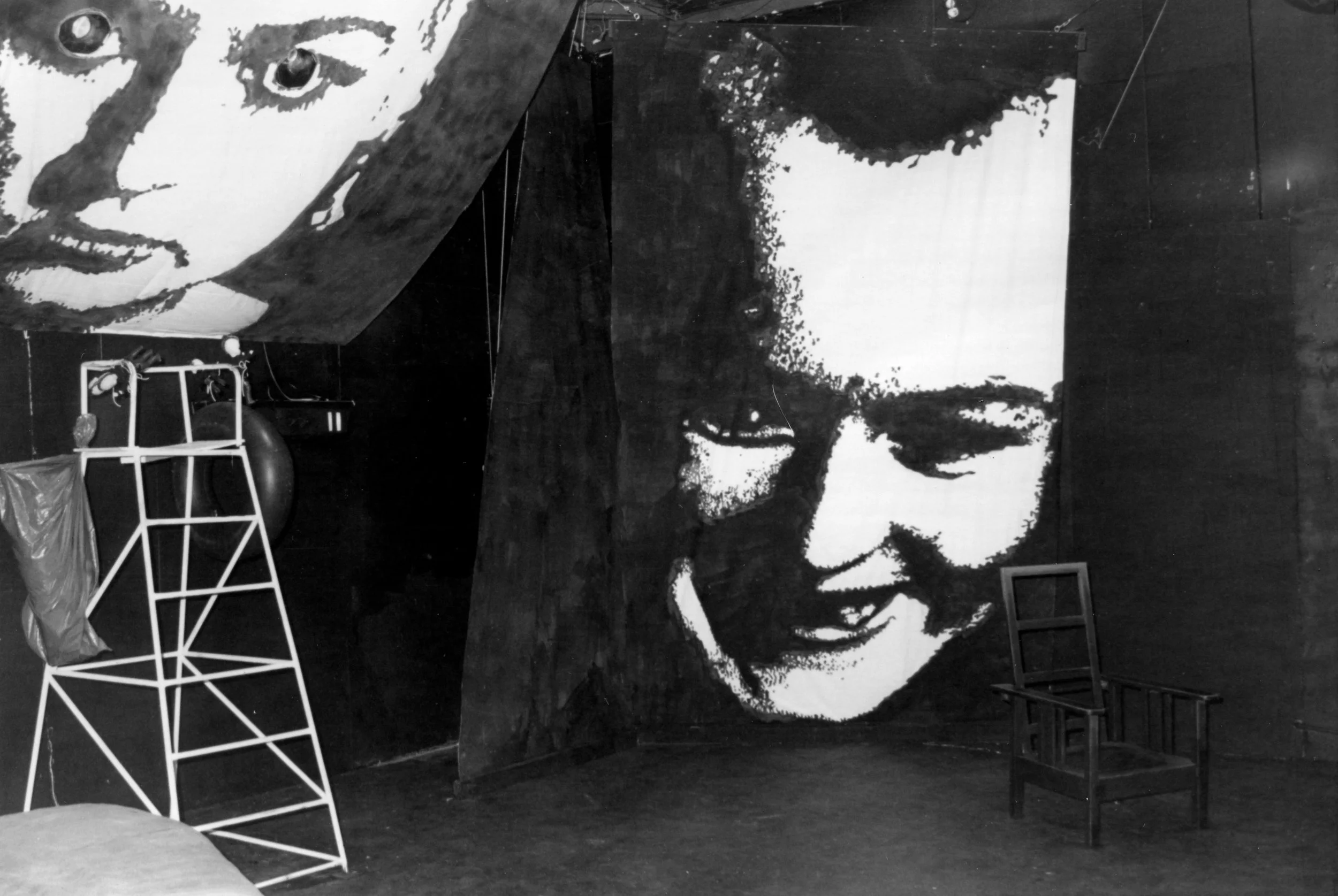
When I think about BATS, I remember the smells before almost anything else.
Dust, cask wine soaked into old carpets and paint.
Later there was the smell of rum-toffee coffee from our sponsors, Robert Harris, and cigarettes. Sets were constantly being painted in the auditorium, and after every show the stage area had to be repainted black.
It was shabby, but it felt like possibility.
The theatre had 92 seats and a perfect rake. The acoustics were extraordinary: you could hear an actor whisper. And because it was small, we could do things that larger theatres couldn't.
TWO SIMONS
Simon Elson and I became friends through theatre.
He was a technician, set and lighting designer and builder who had worked extensively in the UK, including with The People Show and at the King's Head Theatre in Islington.
I had just trained as an actor.
We shared a sense of humour, a taste in music and a frustration with mainstream New Zealand theatre.
We liked The Cure, The Smiths, The The and The Young Ones.
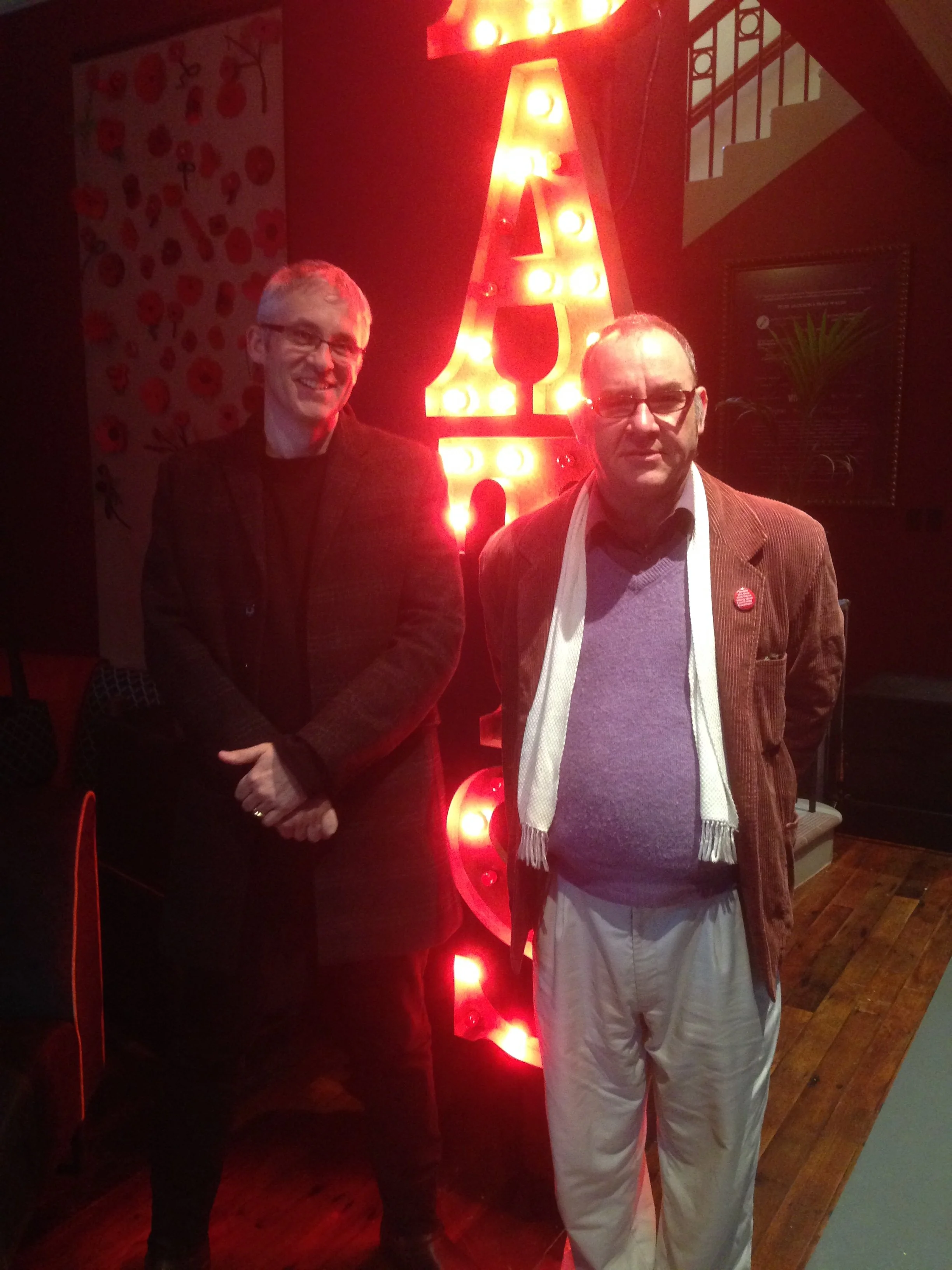
Me and Simon E, BATS foyer, 2015
More importantly, we shared a belief that if the kind of theatre we wanted didn't have a place, we weren't afraid to make our own.
Our ambitions were different. Simon wanted to establish and manage his own theatre. I wanted somewhere I could direct the kind of theatre I wanted to make. Those ambitions turned out to fit together remarkably well.
I could write the proposal, articulate the vision and talk to funders.
Simon could design and build the place.
We spent long sessions in pubs developing the proposal that would become our pitch to funders, sponsors and anyone else we needed to convince.
Eventually we became known as “the two Simons.” Or Simon B and Simon E. Our company was called Nomis Productions.
Simon Backwards
MAKING THE PLACE
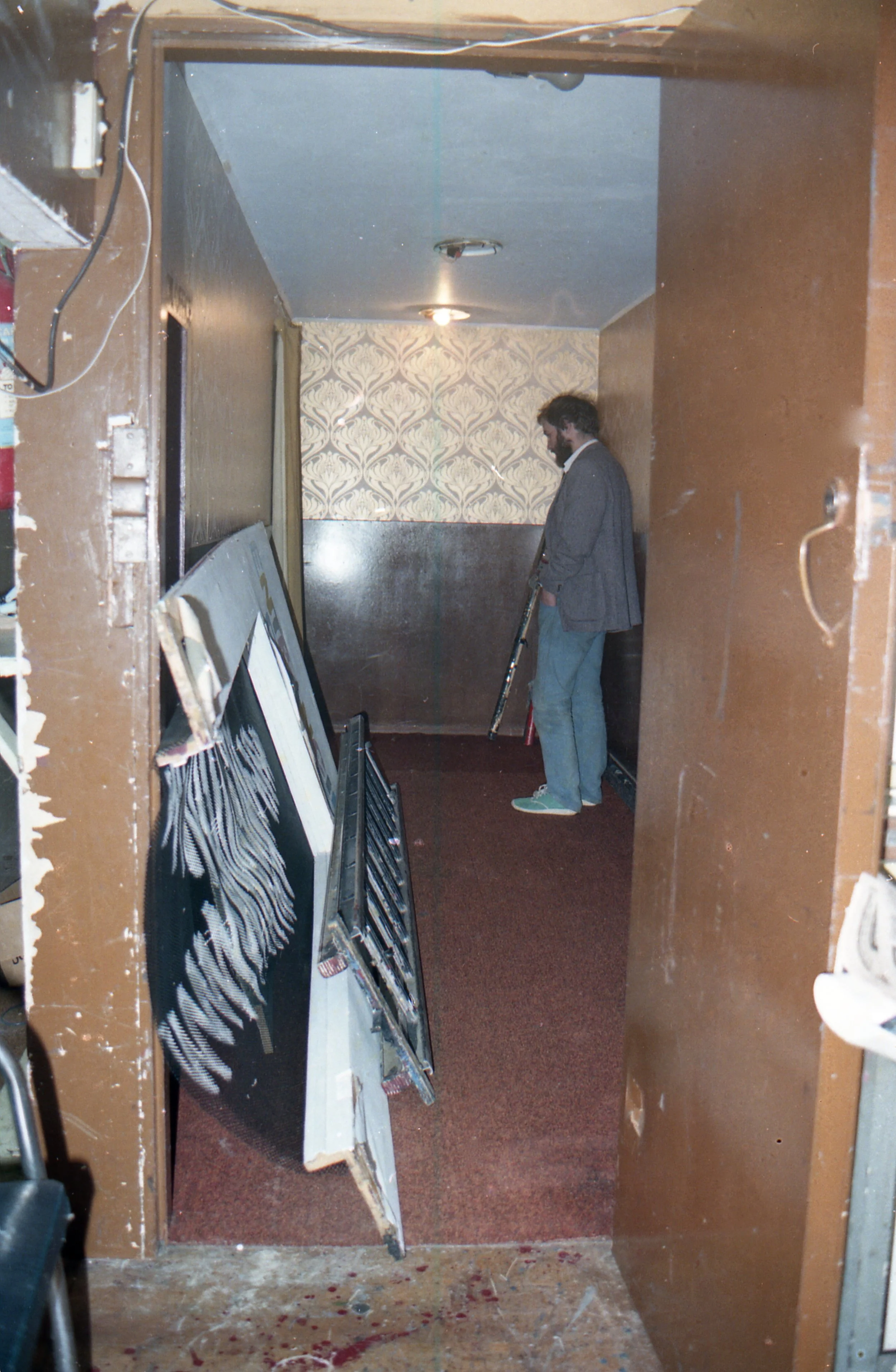
When we took over the lease, the theatre had become almost derelict.
Simon set about physically transforming it. I dealt with administration, fundraising and presenting the case for what we were trying to create.
Once BATS opened, Simon was the person who was always there: programming, dealing with artists, organising volunteers, running the accounts, fixing things and building things.
I was increasingly making work.
It was an extraordinary partnership because neither of us could have done it alone.
Simon E in BATS Foyer 1988
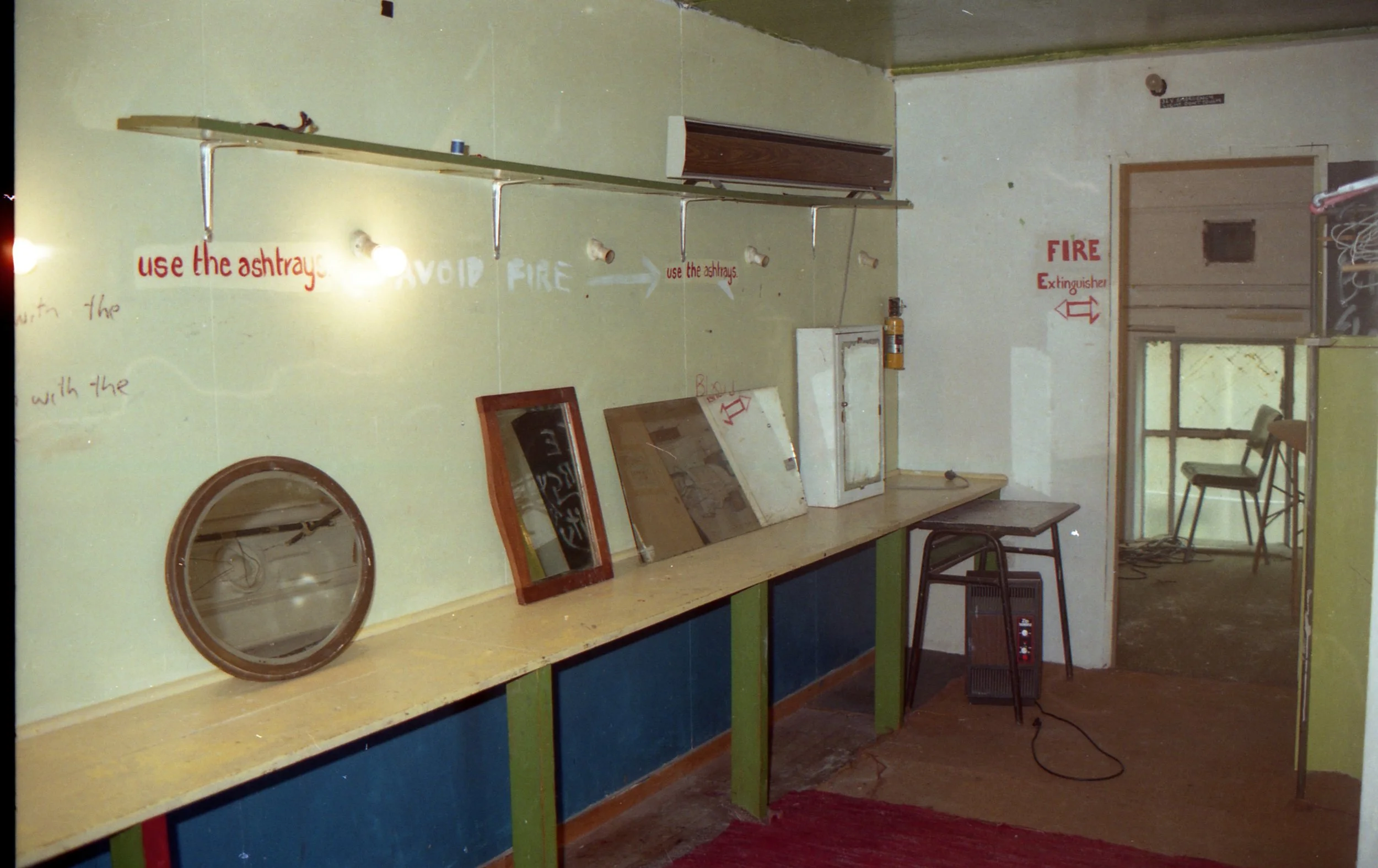
BATS dressing room 1988
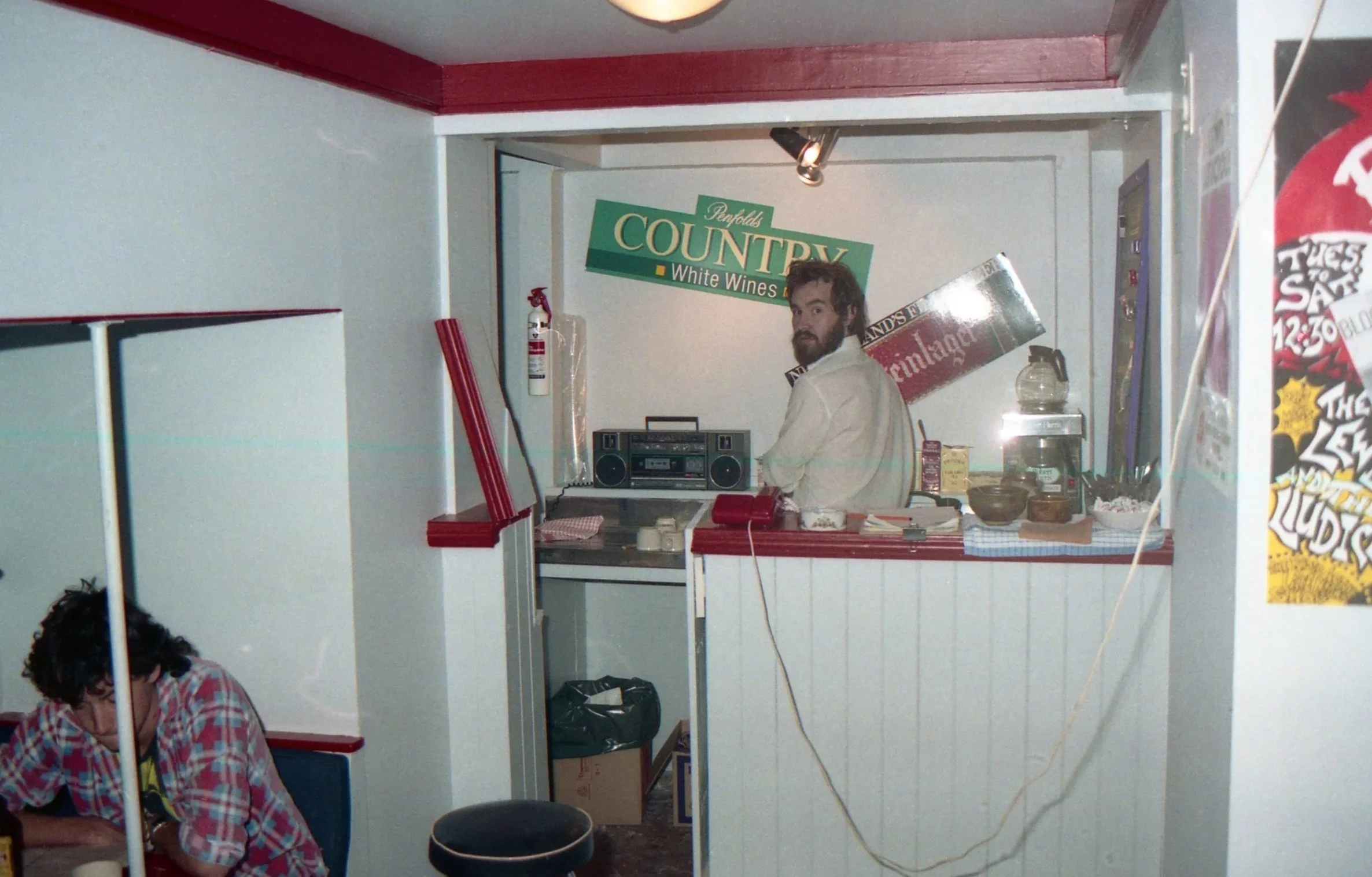
BATS bar. Simon Rayner and Simon Elson
I learned from Simon how to coil an extension cable.
How to plaster.
And how to drive a dream.
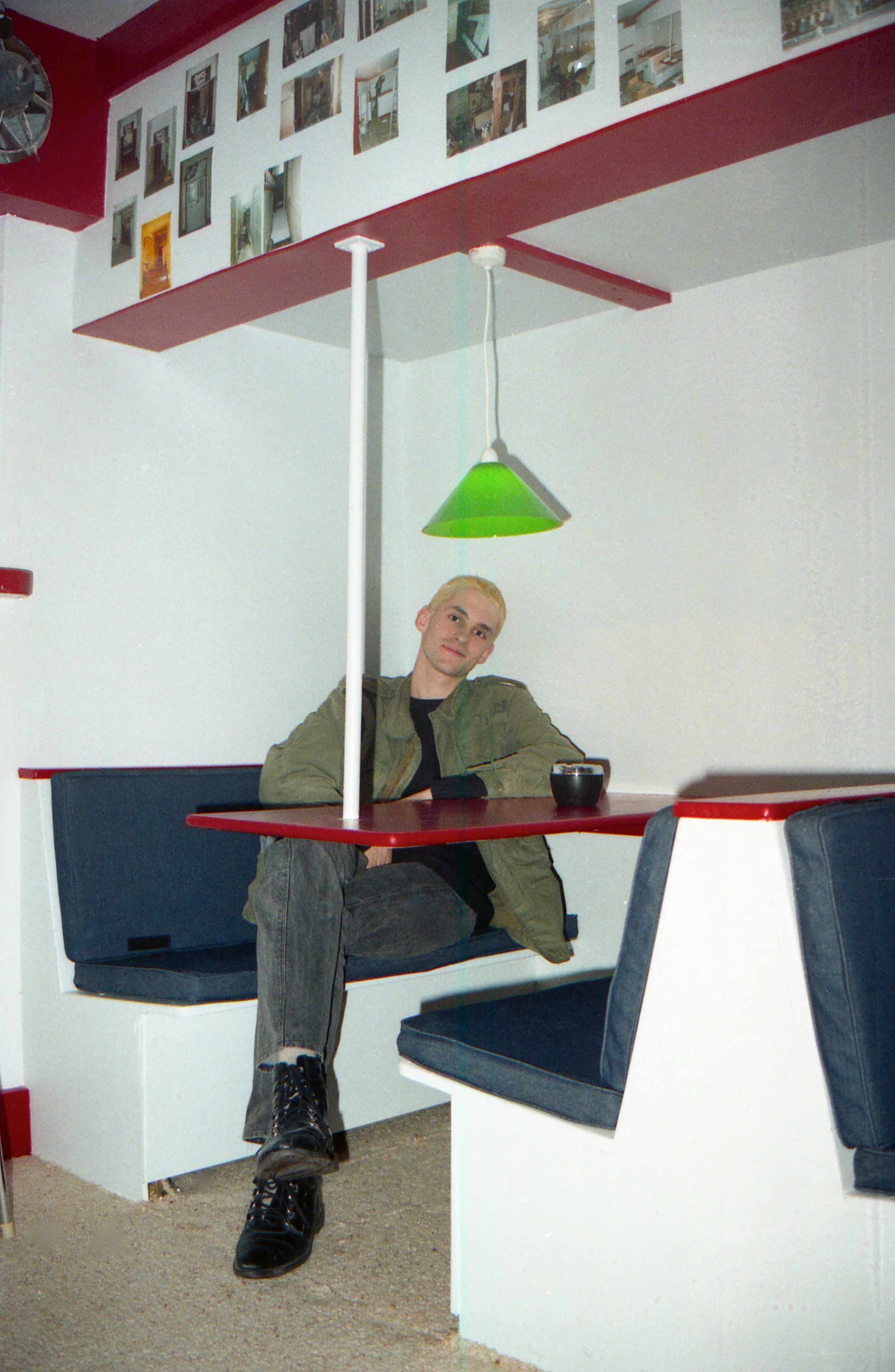
Me in refurbished foyer 1989
A PLACE TO TRY
BATS gave artists a place to try things that were unlikely to be programmed elsewhere: work that was risky, practitioners who were unknown, and ideas that didn't quite fit anywhere else.
It made it relatively easy for a company to mount a show. The theatre provided box-office systems, equipment and technical support. The hire was set at 15% of gross box office, meaning BATS shared the risk with the companies using it.
This model mattered.
It meant the theatre had a reason to help the artists succeed.
And over time, something else developed:
A community.
People who had worked at BATS moved on into the wider theatre and arts world. They carried the experience with them.
If you'd worked at BATS, you knew.
You were family.
WHEN IT WORKED
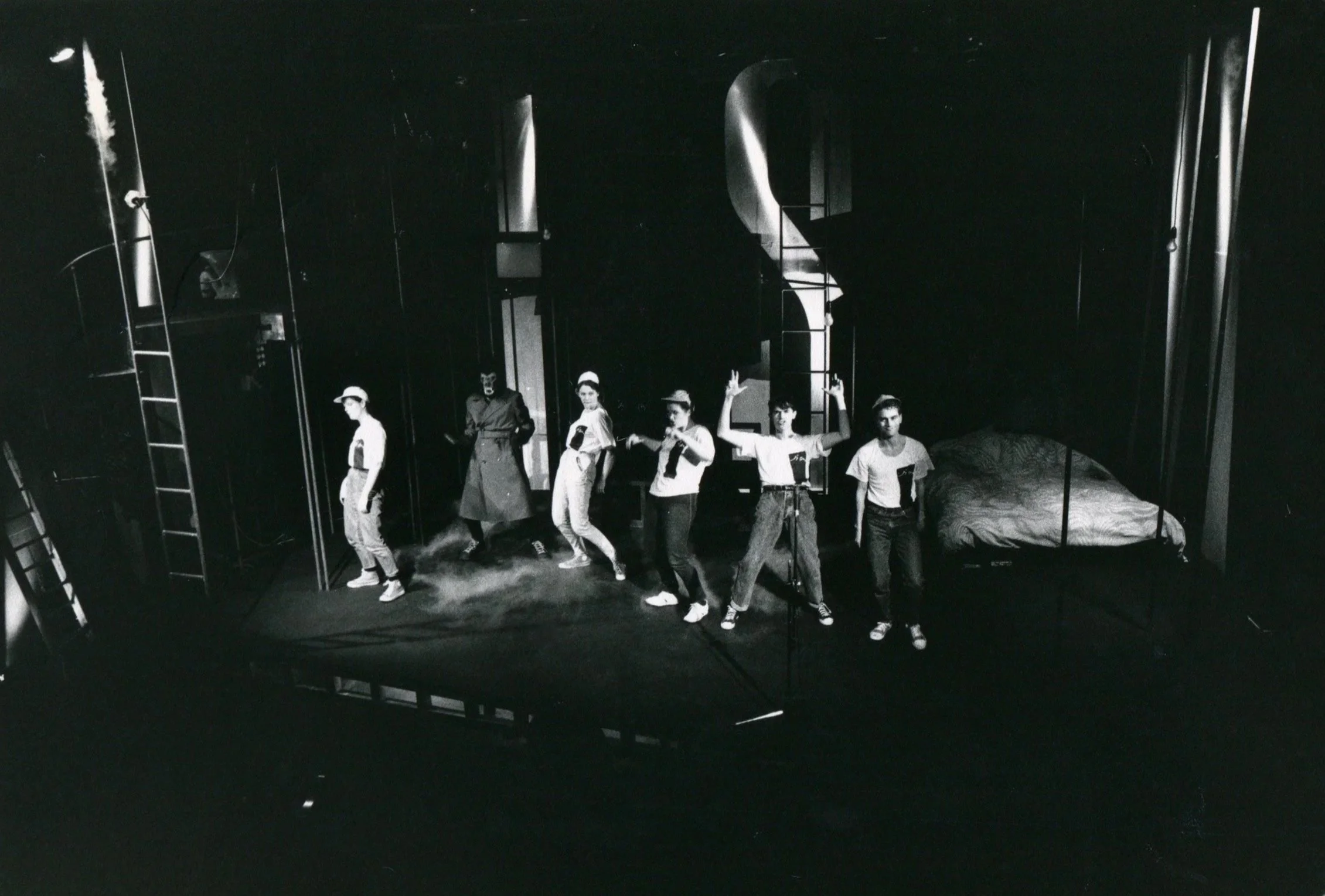
Jism was probably the moment I realised we'd made something that could really work.
Jism by Ken Duncum and Rebecca Rodden. BATS 1989
Other theatres had turned it down, so we made a theatre and put it on.
It did good houses, was well reviewed, and announced a new voice in New Zealand theatre. It was unlike anything Wellington audiences had seen.
“Jism is a true theatrical event, impressive in conception, performance and production.”
Susan Budd, The Dominion
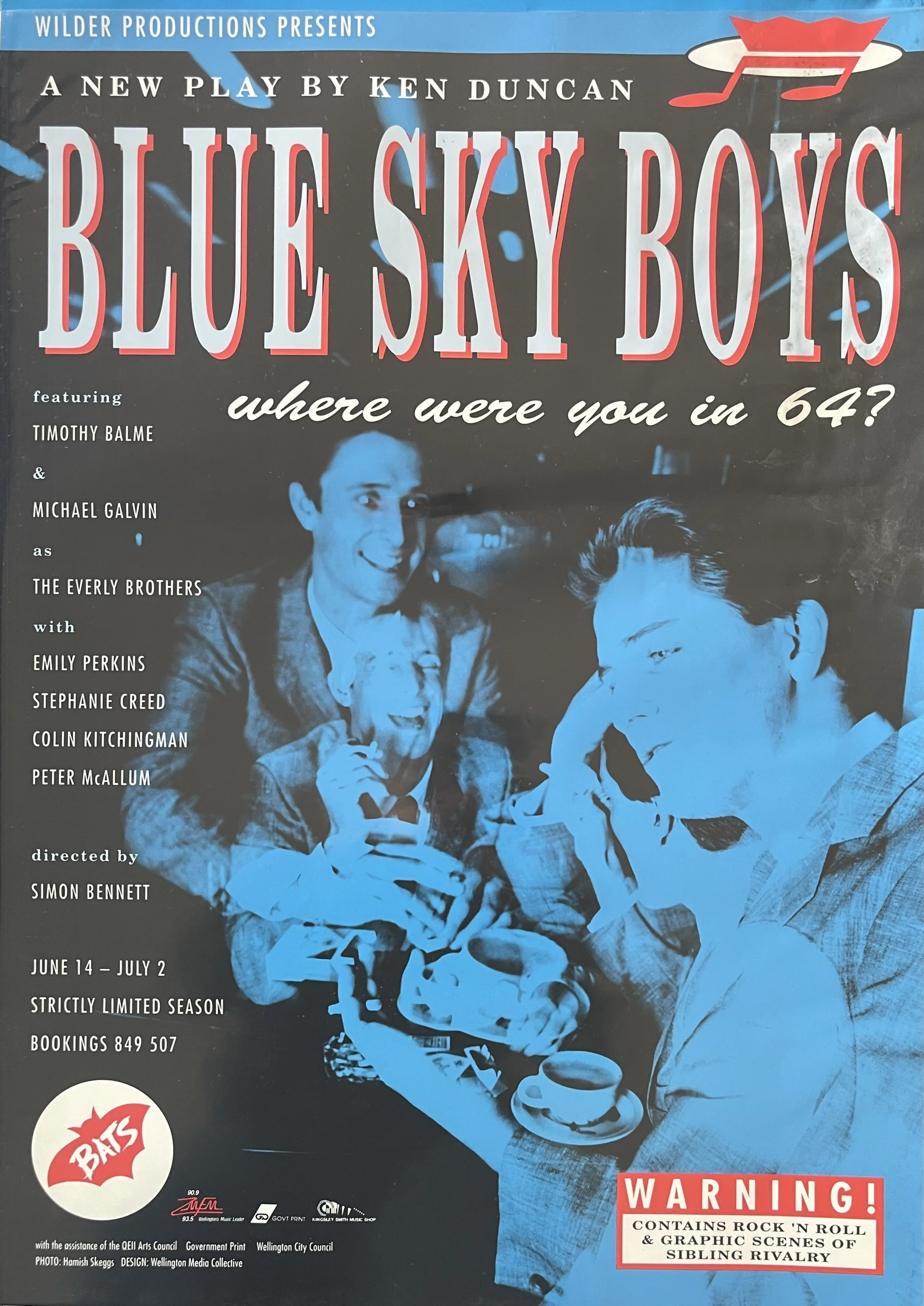
BLUE SKY BOYS
Then Blue Sky Boys took things to another level.
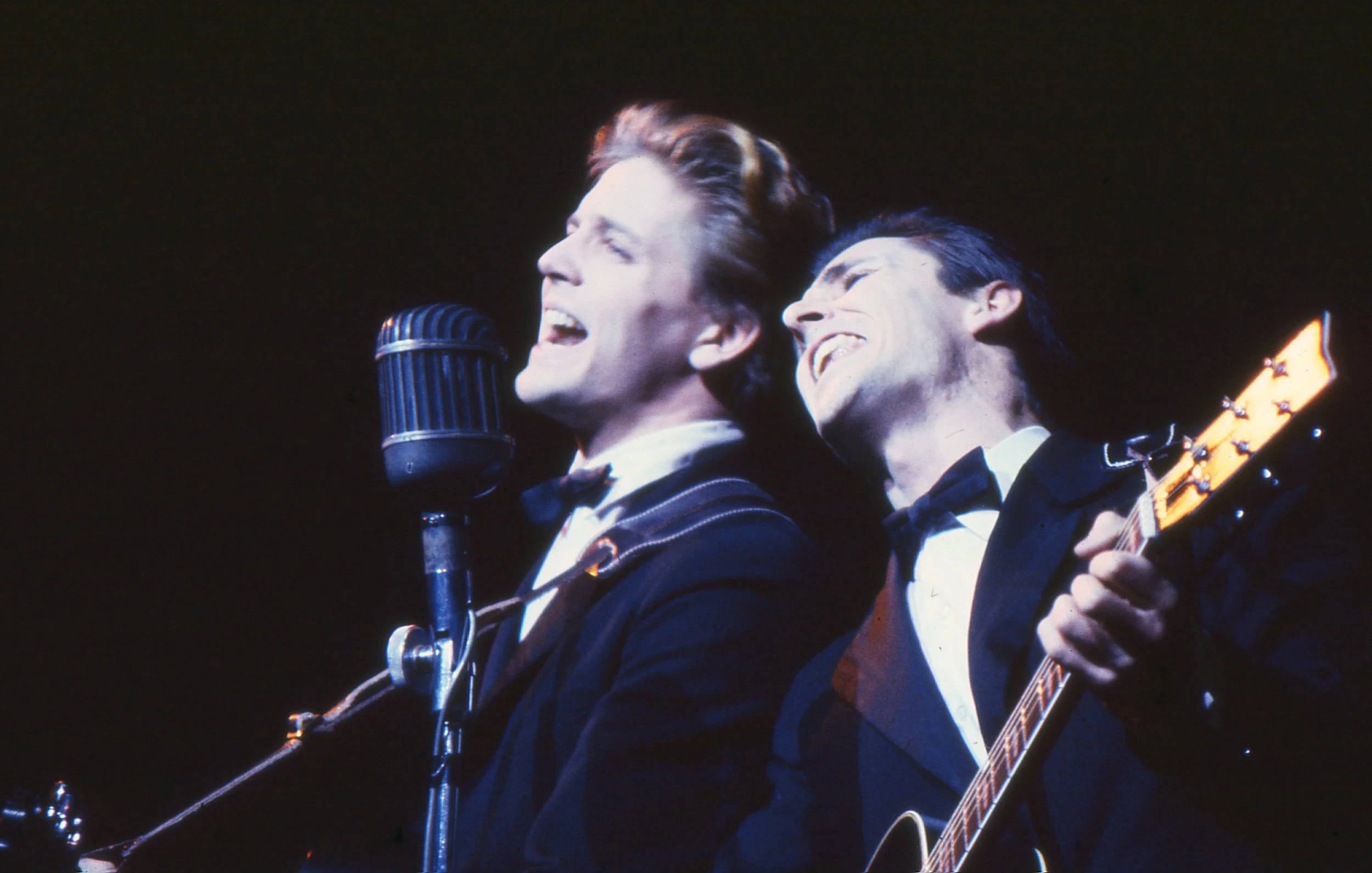
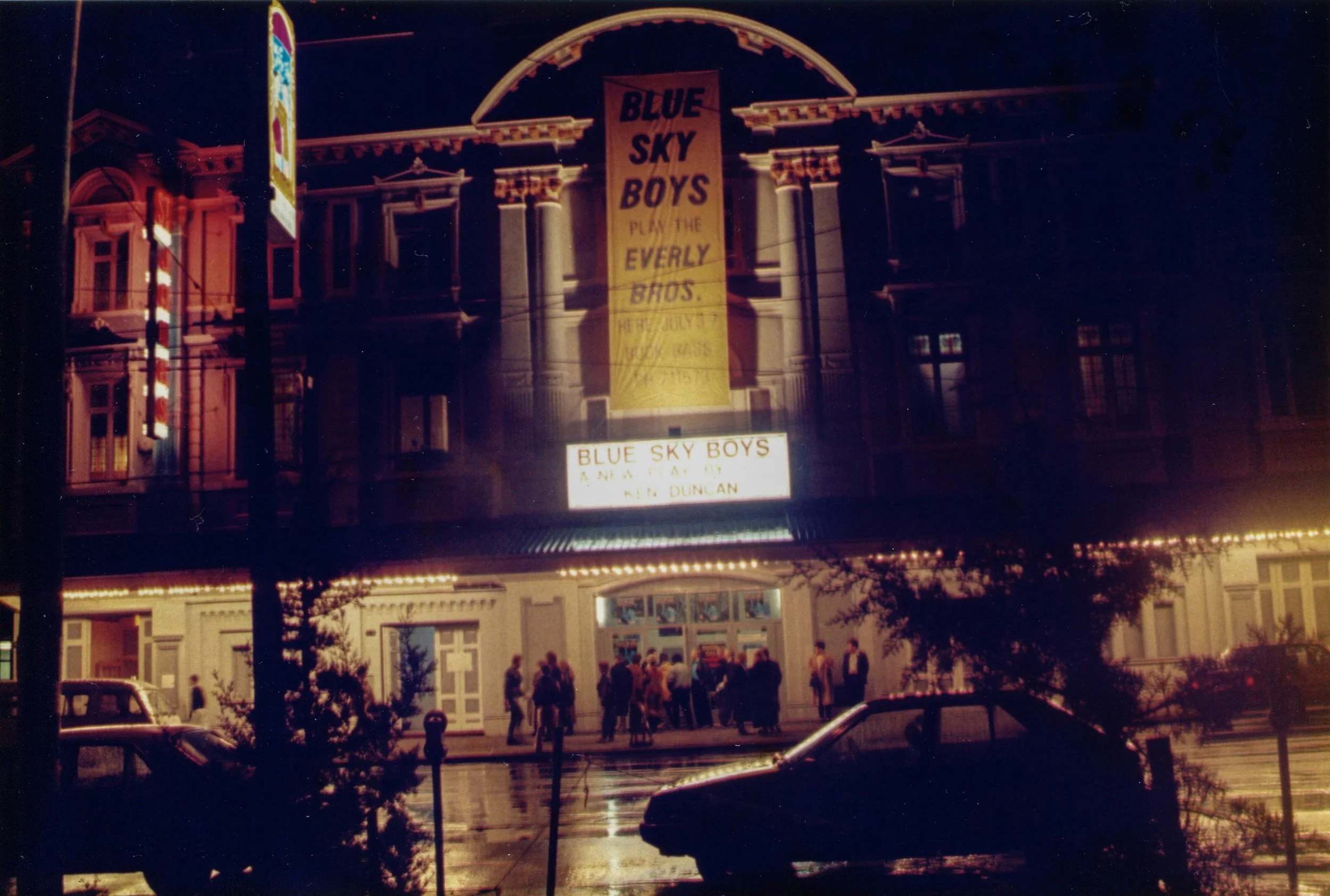
Ken Duncum’s play that had begun in a 92-seat theatre transferred to the 1500-seat St James.
BATS had become an incubator. Work could begin in this tiny room and go out into the world.
That was the point.
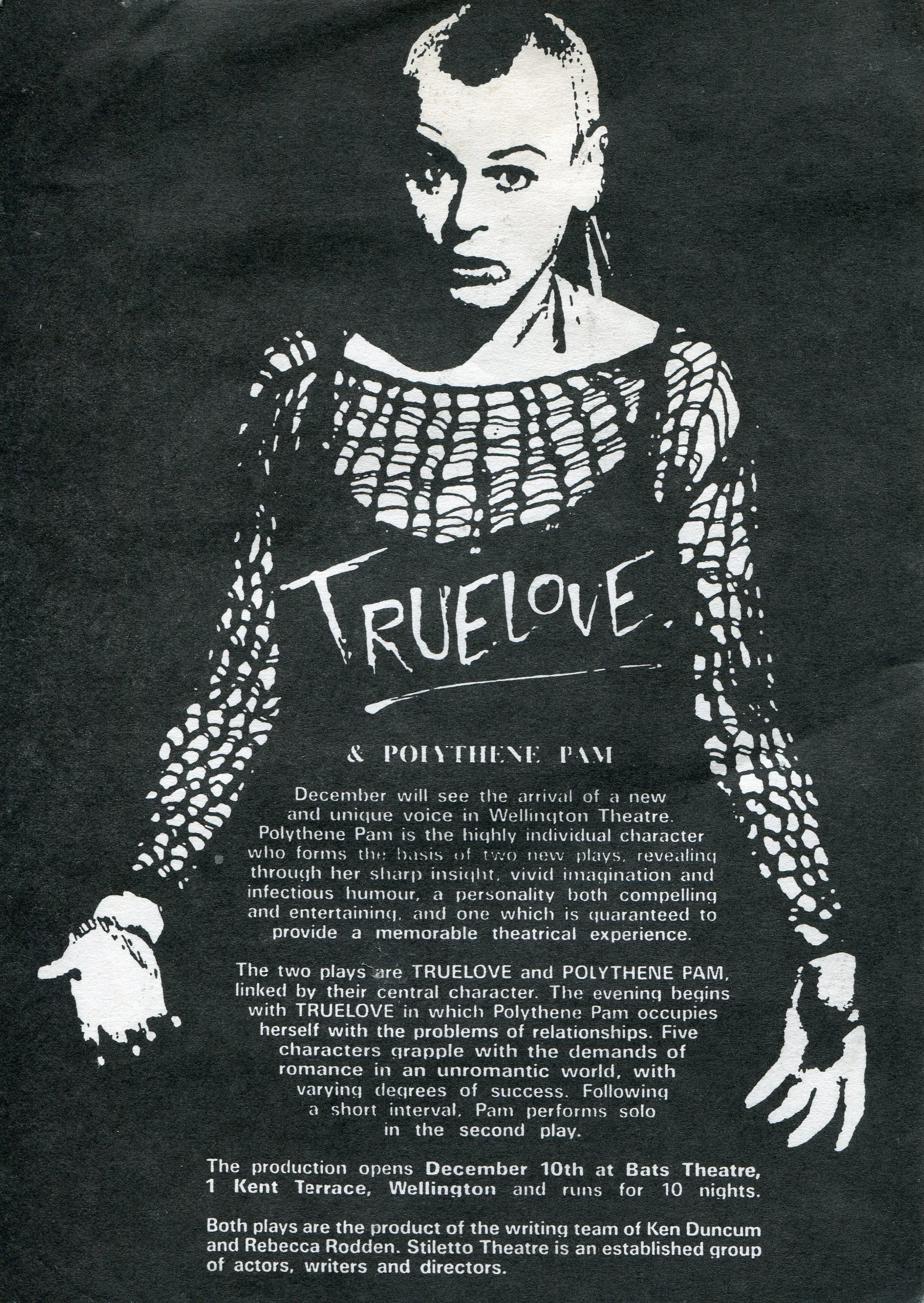
I directed and performed at BATS throughout those extraordinary early years.
THE SHOWS
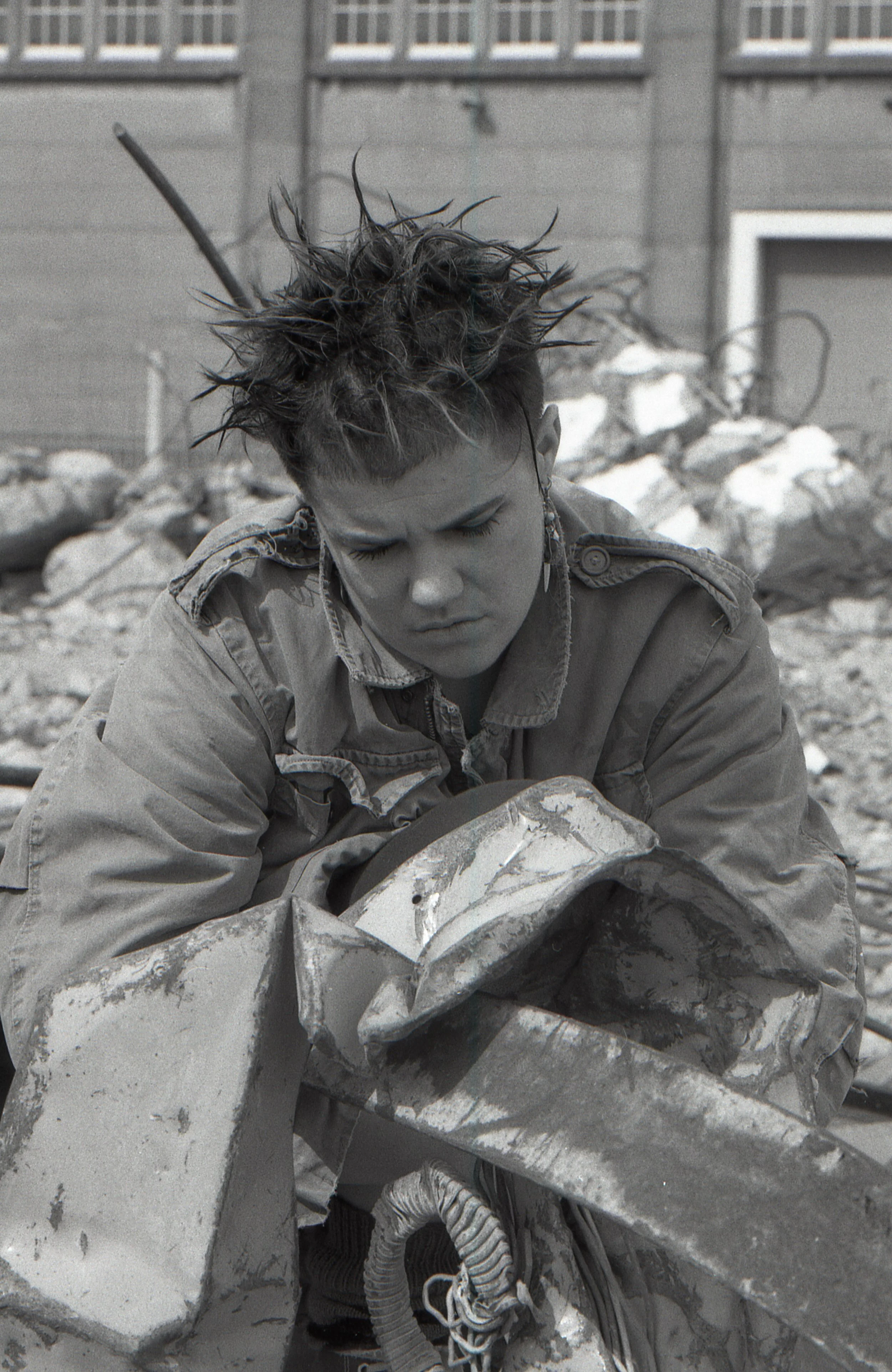
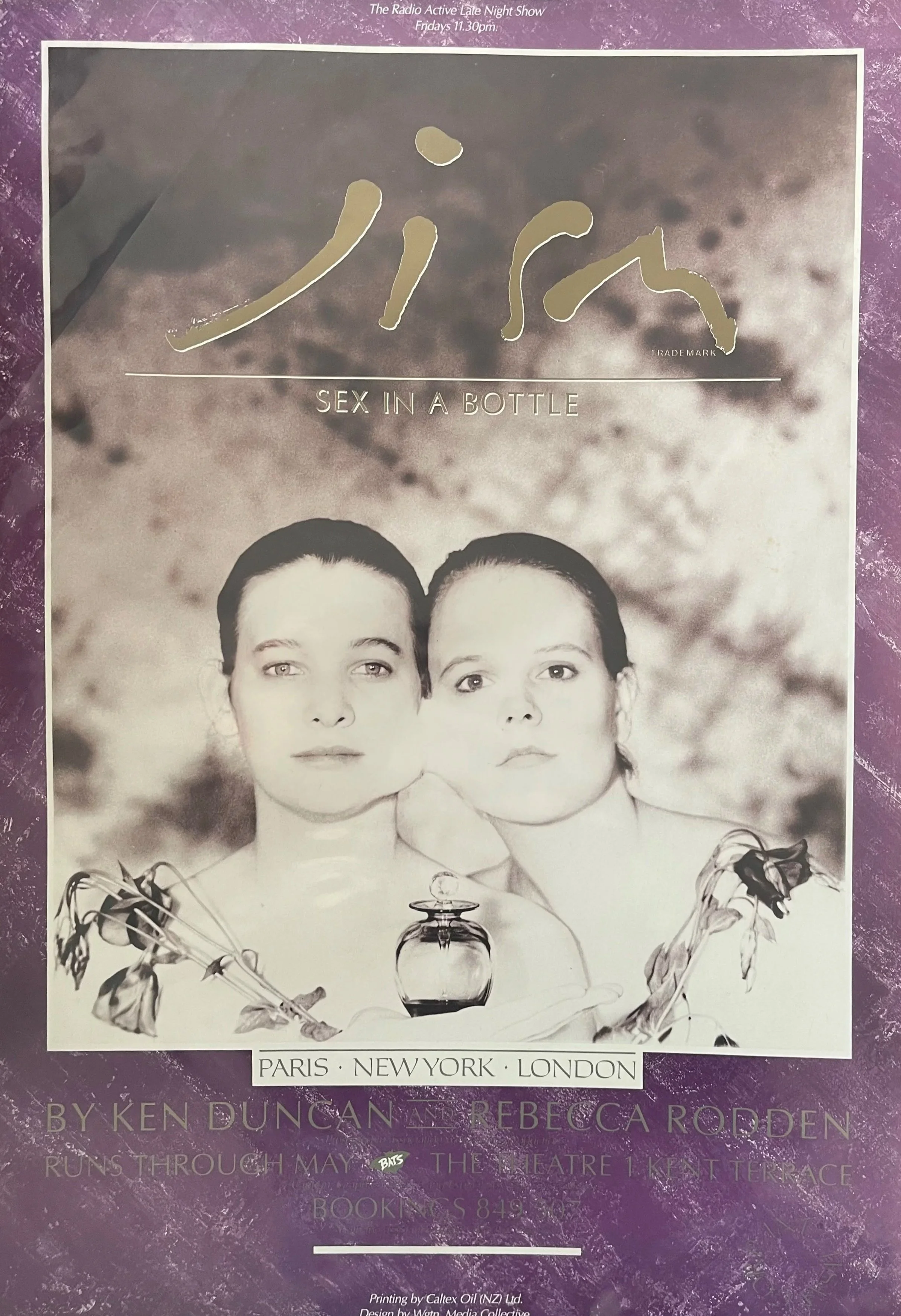
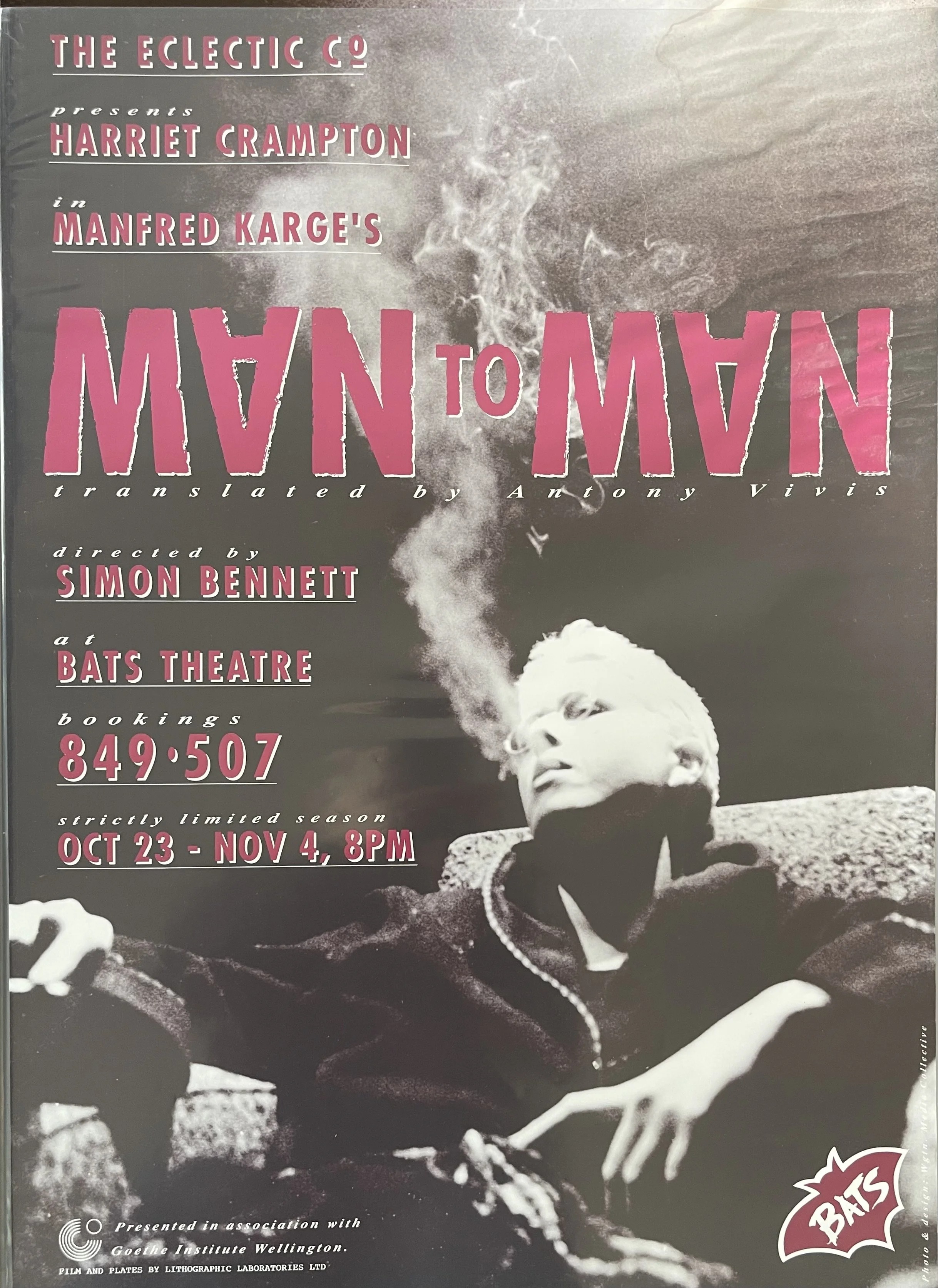
Truelove & Polythene Pam 1986
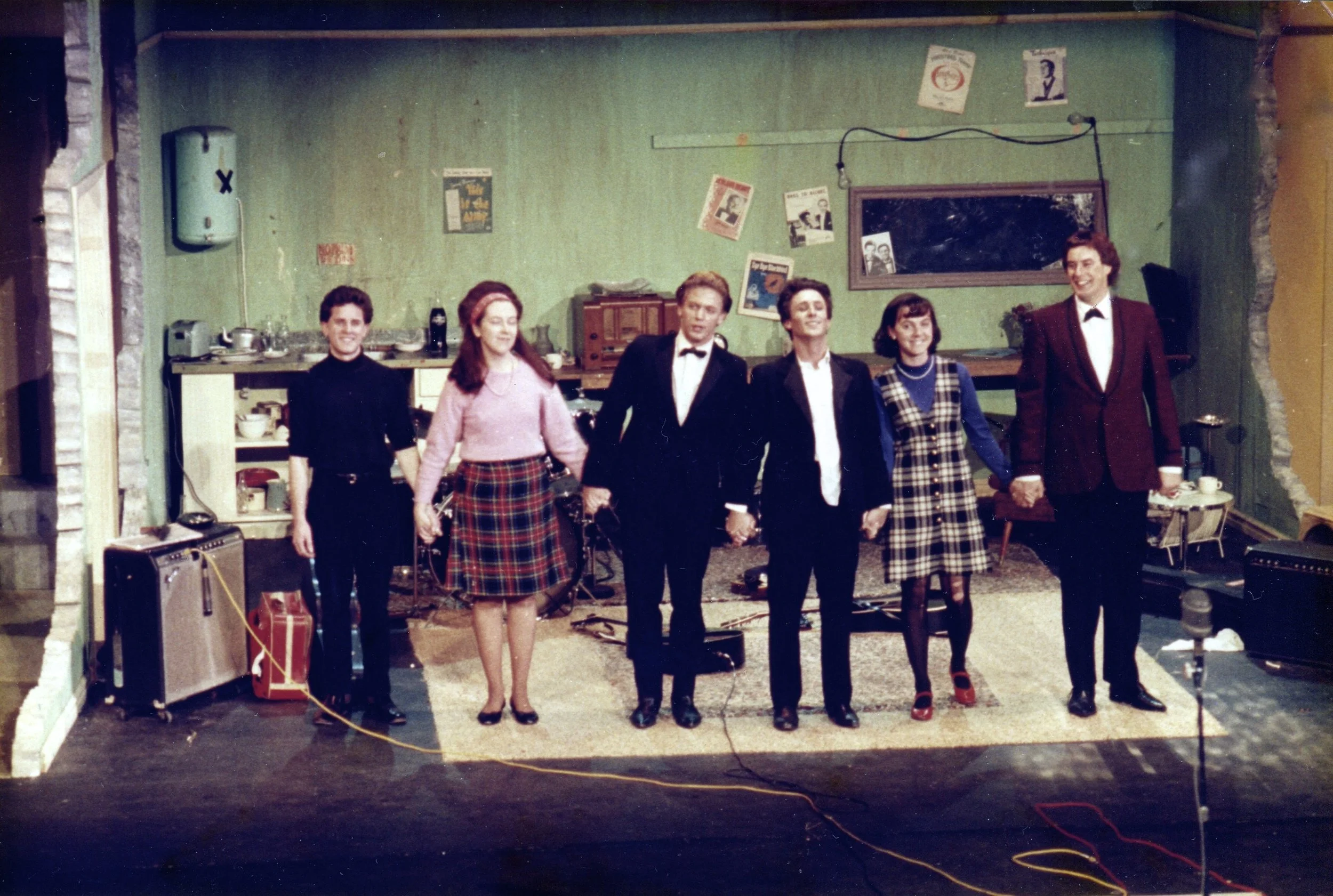
Blue Sky Boys 1990
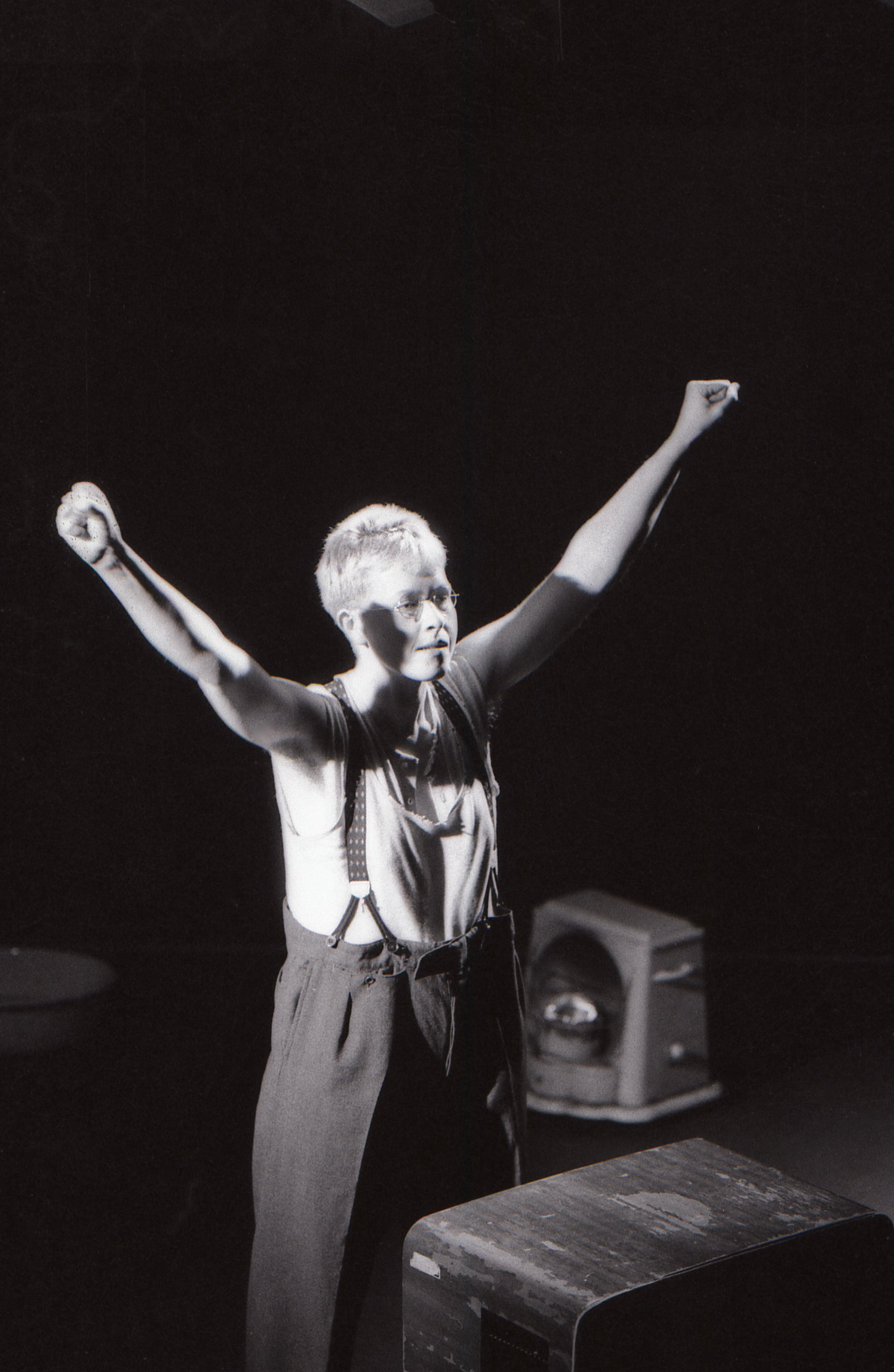
Conquest of the South Pole 1990
Man to Man 1990
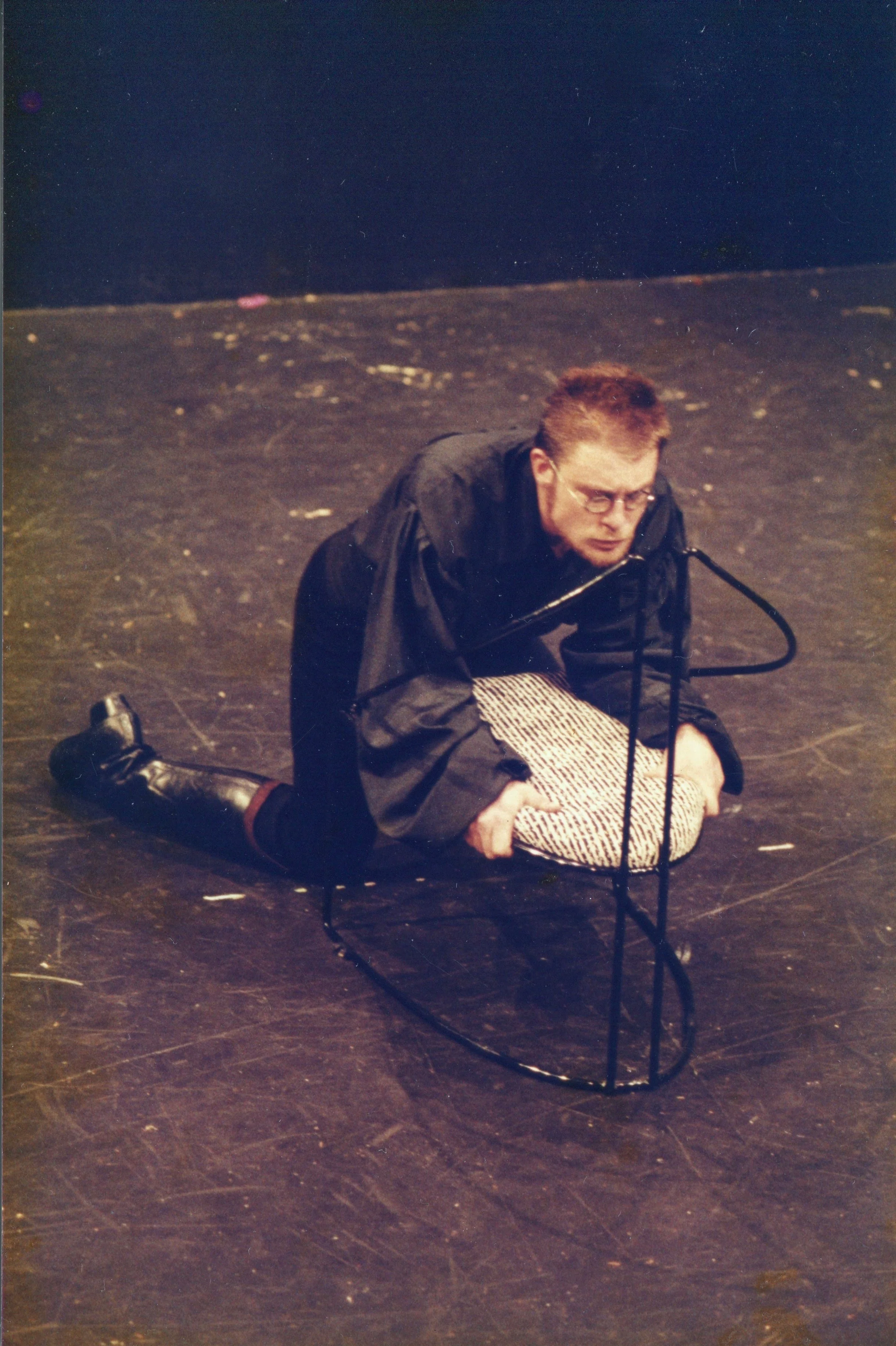
Hamlet 1990
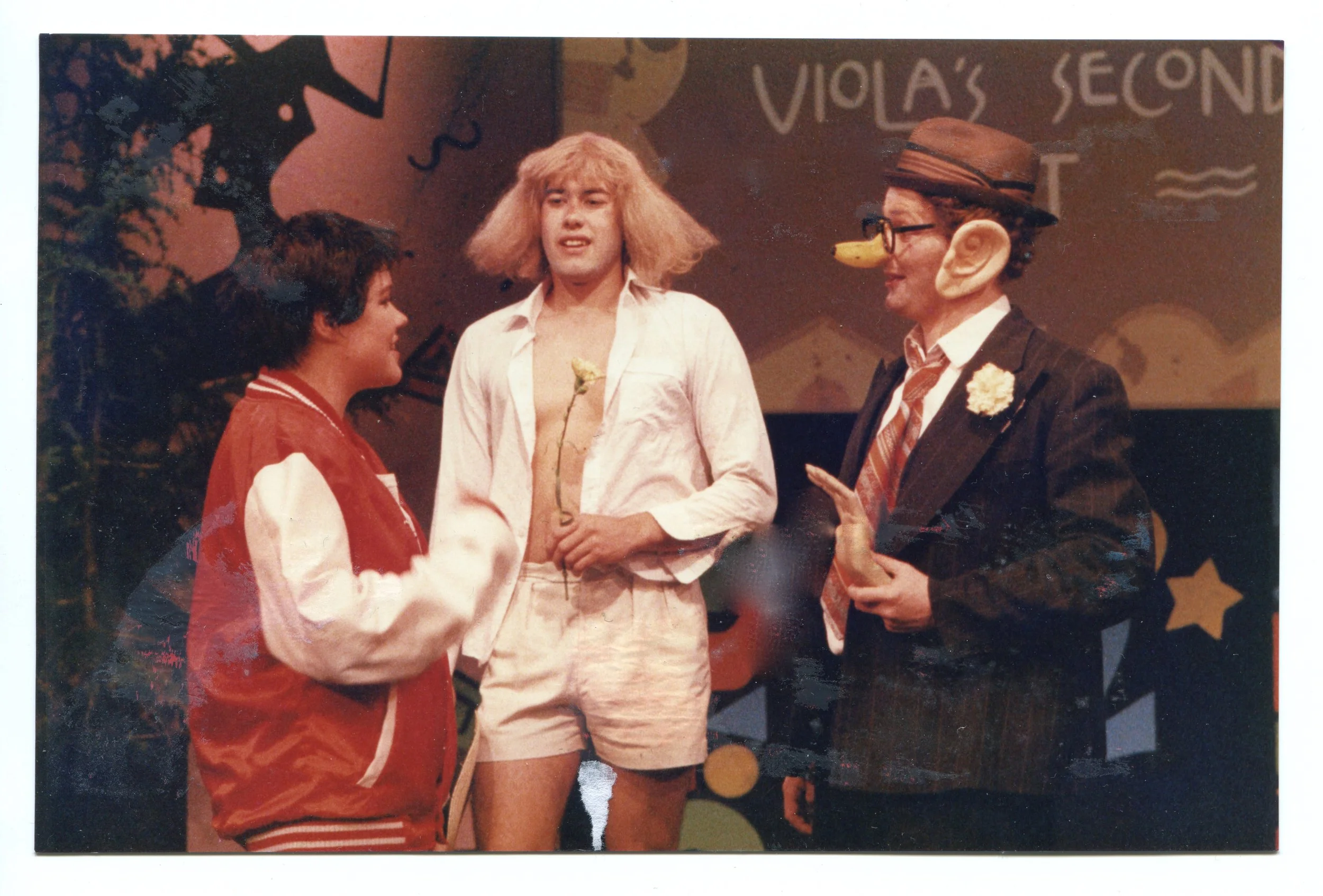
Twelfth Night 1989
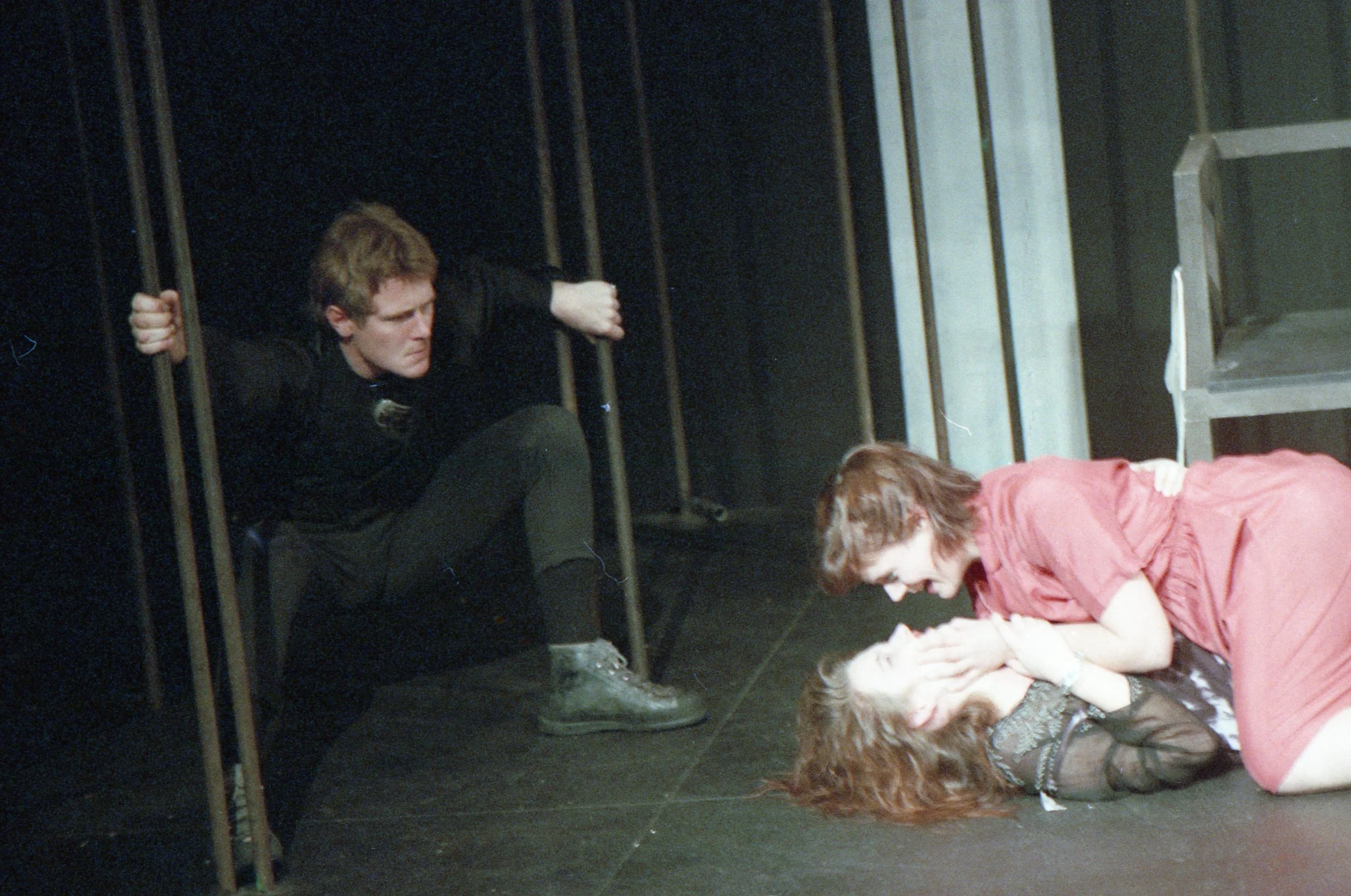
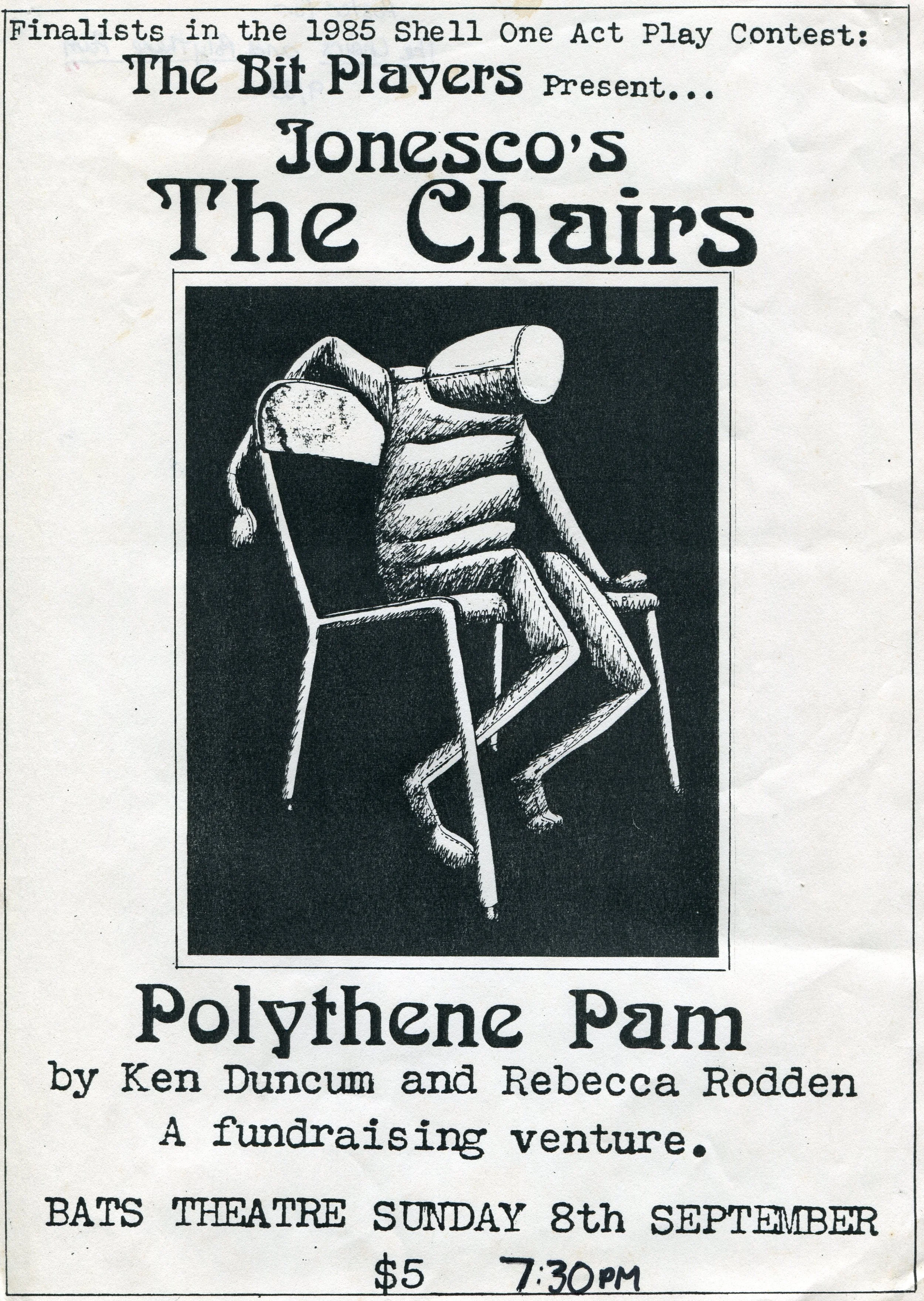
Jism 1989
Truelove & Polythene Pam · The Chairs · Jism · Blue Sky Boys · Hamlet · Conquest of the South Pole · Twelfth Night · Man to Man And many others
I also designed posters and took the publicity photographs.
The work, the design, the photography, the building and the administration didn't feel particularly separate.
It was all part of making theatre happen.
THE COMMUNITY ANSWERS BACK
In 1990, a fire caused by faulty wiring in a fridge damaged the backstage area.
Harriet Crampton organised a benefit concert to help rebuild. The St James filled. The Topp Twins performed and Paul Holmes spoke.
The response told us something:
BATS had become part of Wellington's cultural life. It wasn't simply a room where people hired a stage. It belonged to a community.
CUSTODIANS
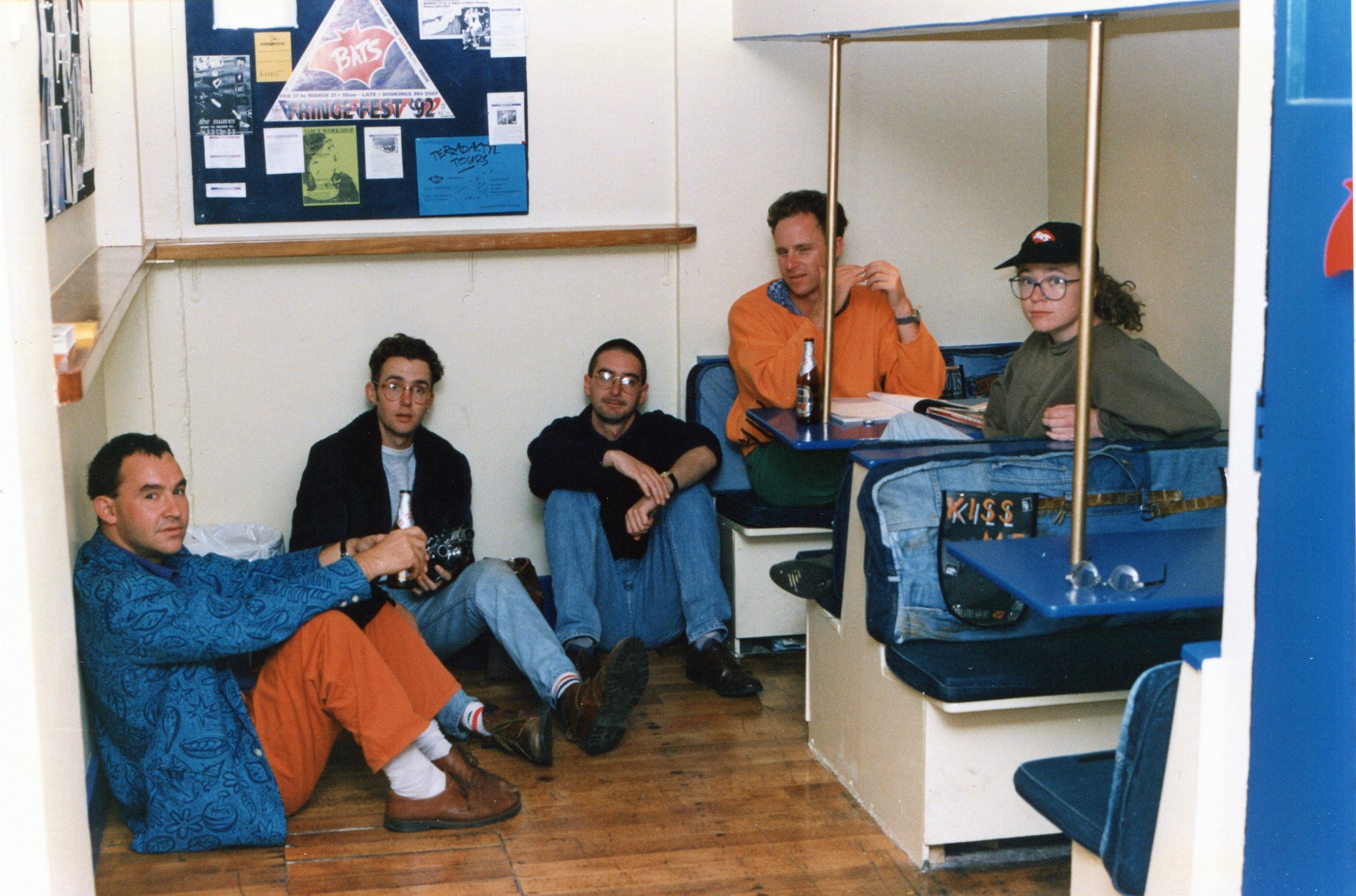
Simon E, Jonathan Brough, Dan Slevin, Guy Boyce, Helen Searancke
In 1993, I moved to Auckland. But Simon and I remained controlling shareholders of BATS Theatre Limited until 2014. We appointed theatre managers, attended board meetings and continued to advise when asked.
Our role had changed. We weren't running the theatre day to day anymore. We were protecting the idea.
We resisted opportunities to make BATS bigger, including the possibility of taking over the 250-seat Hannah Playhouse across the road. We believed that BATS's small size was one of its greatest strengths. The fewer tickets you had to sell, the more risks you could take.
RETURN
In 2012 I came back to BATS to direct White Cloud, with songs by Tim Finn and a script by Ken Duncum.
Returning to the theatre after all those years was strange. So much had happened in the intervening years — I'd moved to Auckland, built a career in television and worked in theatre in a very different way.
But as soon as I started packing in with the performers, I recognised something familiar. The room still had the same intimacy, and the same sense that anything might happen in it.
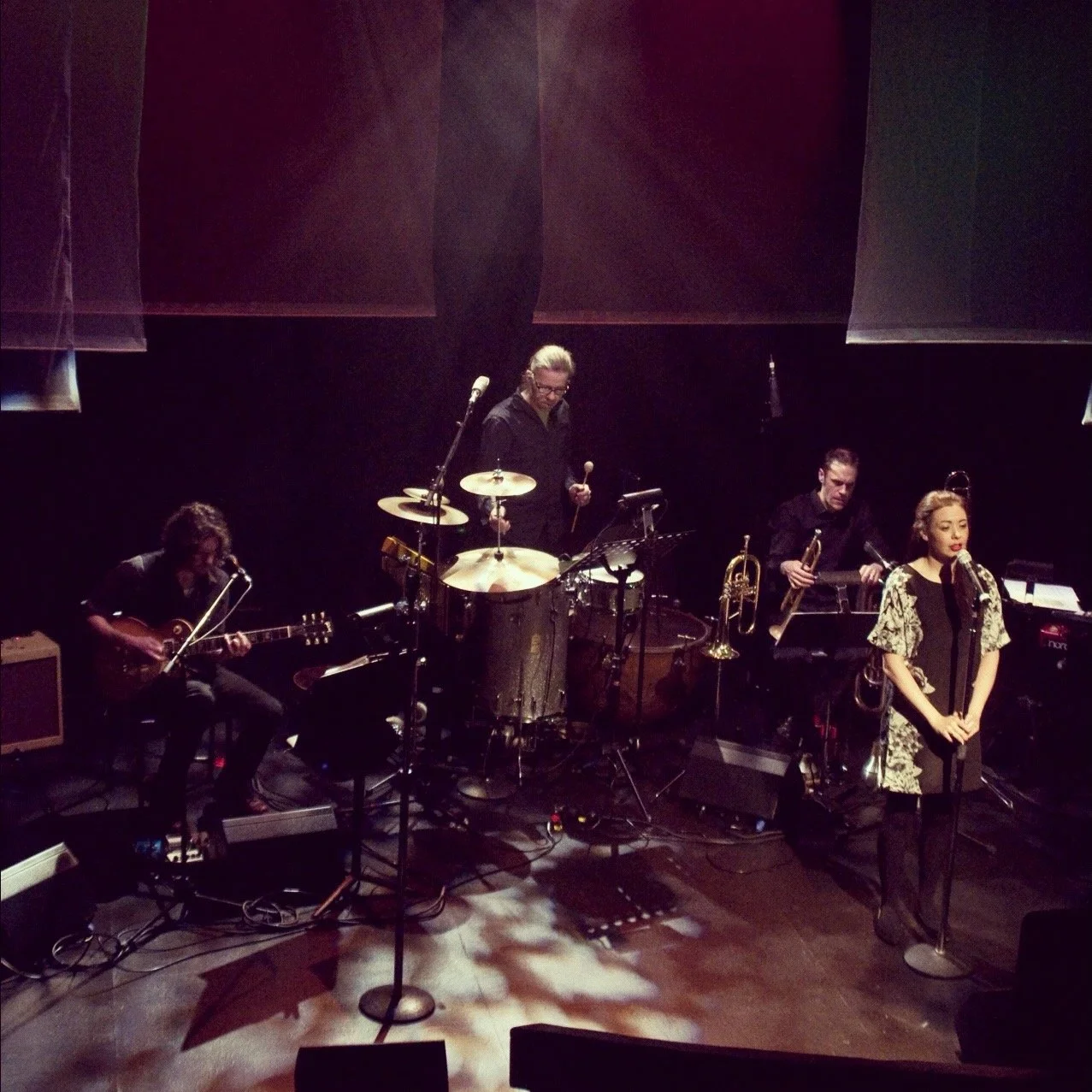
White Cloud, BATS, 2012
WHAT REMAINS
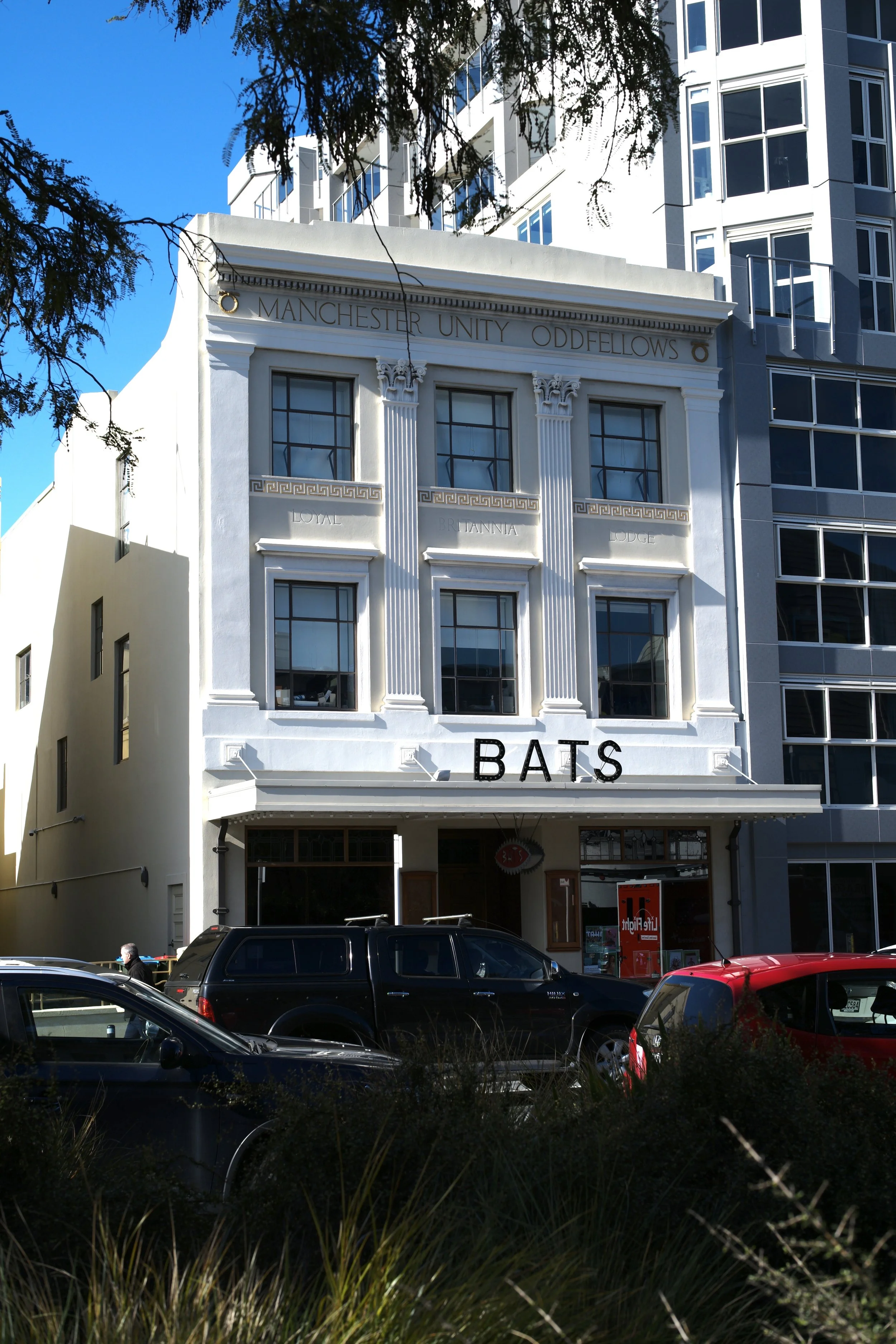
I'm very proud that BATS is still going. I'm proud that the principles Simon and I established at the beginning are still there.
The building is bigger now. It has three performance spaces and has been earthquake-strengthened and restored. It's considerably less grubby than the theatre I remember, but I think the spirit survives.
When I look at the people who have come through BATS and gone on to do remarkable things — Taika Waititi, Flight of the Conchords, Fat Freddy's Drop, Robyn Malcolm, Kerry Fox and many others — I think: BATS made this possible.
Not because BATS made those artists. It gave them somewhere to begin.
And yet there is another feeling I have about BATS now, which is a little more complicated.
Most people working at the theatre today have no idea of what Simon E and I did to put BATS on the map.
I don't say that with bitterness. BATS belongs to the people who are making the work now. That's how it should be.
But there is something strange about creating something that outlives your involvement in it. You watch it continue, change and grow, and gradually you become part of its mythology rather than its daily reality. I sometimes feel a pang of sadness about that.
Mostly, though, I feel proud.
Because we didn't set out to create a legacy. We were two young theatre-makers who wanted somewhere to make interesting work.
So we made a place.
And the place survived us.
← BACK