
OUTRAGEOUS FORTUNE
Where theatre and television met
Executive Producer / Director
South Pacific Pictures · TV3
2006–2010
Kirk Torrance and Robyn Malcolm
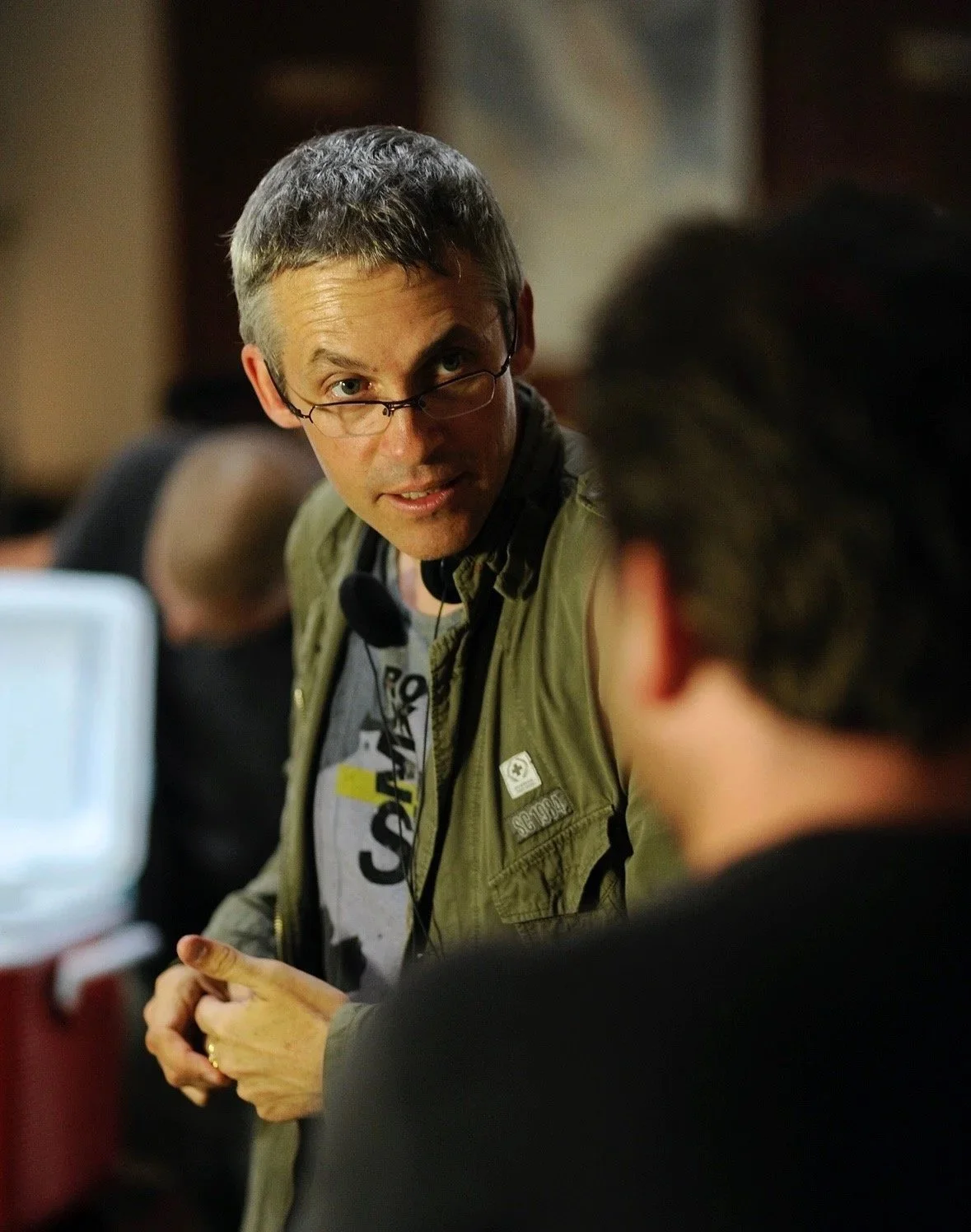
I was Executive Producer across all six seasons of Outrageous Fortune, and directed 23 episodes over five seasons.
It was one of those rare television productions where the way I had learned to work in theatre could thrive on set — particularly in the work with actors.
The work was predominantly performance-driven.
The actors knew their characters intimately. They trusted each other enough to take risks, make choices and surprise one another. My role was to create the conditions in which that could happen.
That experience reinforced something I've believed throughout my career: great work happens when artists are given the confidence, freedom and discipline to play.
PERFORMANCE-LED
The performance is where the story comes to life.
One of the things I brought to Outrageous Fortune from my theatre practice was a deep confidence in the actor as the primary storyteller.
I don't see directing as imposing a performance from the outside. My job is to help actors discover what is already present in the writing and within themselves — and then give them the freedom to own their work.
That means excavating the text, clarifying what each character wants, and creating a rehearsal and shooting environment where actors can play with a high level of trust.
True spontaneity often happens when nobody quite knows what's going to happen next.
On Outrageous Fortune, that was possible because the cast had such a deep understanding of their characters and trust in one another. They could play. They could take risks. They could surprise each other.
My role was to keep all of that alive while bringing the performances and shot selection together into a coherent whole.
“I believe great performances are made by groups of people who trust one another enough to attempt extraordinary things together.”
PREP, THEN PLAY
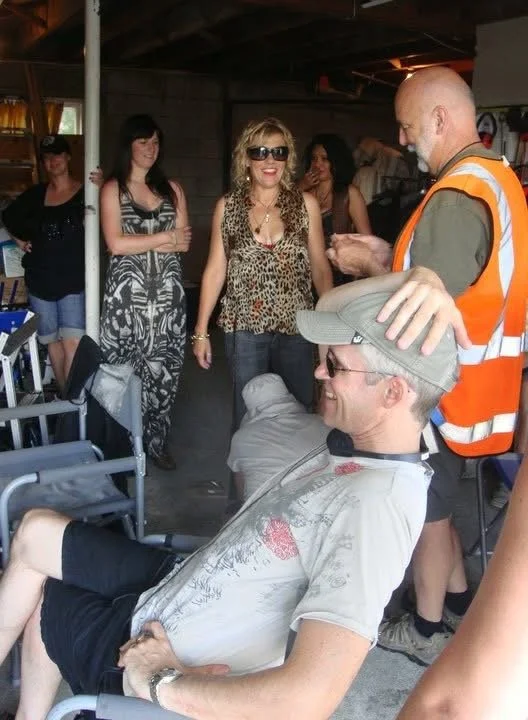
I'm a planner. I'll always start a day’s shoot with a clear sense of what the scenes we’re filming need to do, and a shotlist that gives me a roadmap through it.
But I've learned not to become imprisoned by the plan.
Outrageous Fortune was unusually flexible in the way we could work. We had the time and the trust to build shots around the performances — often finding something better than the initial idea we'd imagined when we arrived on set.
That freedom was one of the things that made the show so good. It taught me the value of staying responsive: to the actors, to the space, to the light, to an unexpected idea — or simply to circumstances changing around us.
I still plan carefully. But the plan is a starting point, not a contract.
If a better idea presents itself, follow it.
PERSONAL REFLECTION
A very special and unique show.
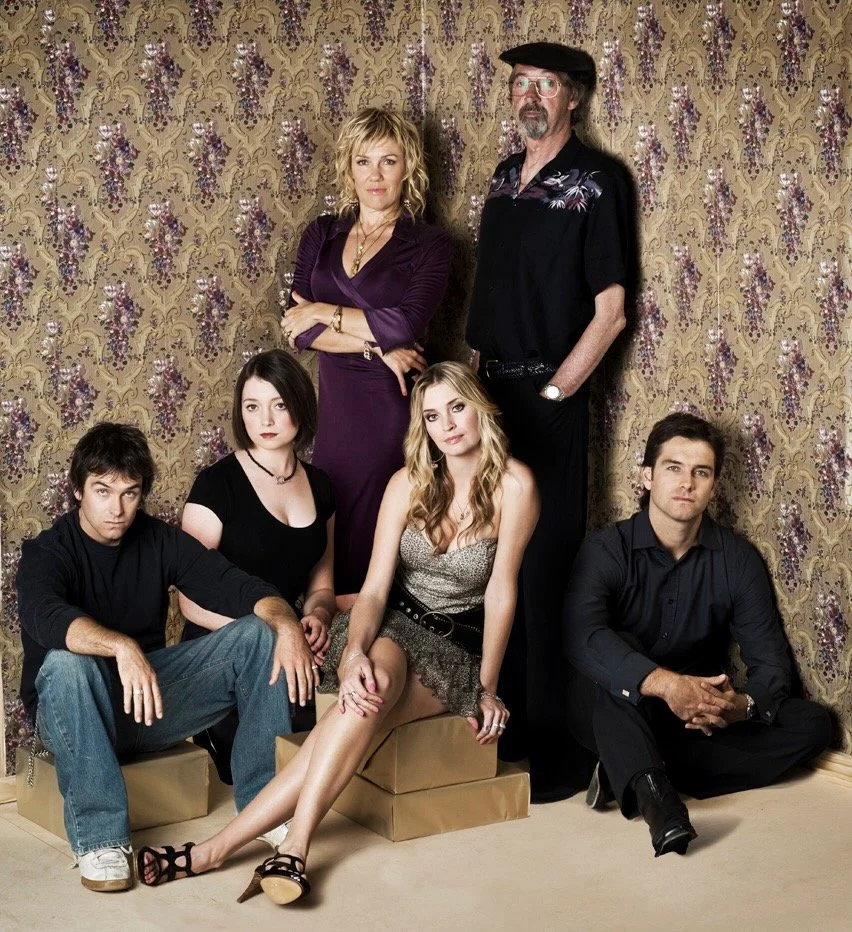
Outrageous Fortune was probably the closest I've come with screen work to the level of creative satisfaction I've experienced with theatre.
It was a very special and unique show. I worked on it for five years as Executive Producer and Director, and I felt a real sense of creative ownership. The way we worked was much more akin to a theatre process: it wasn't results-oriented. There was a lot of exploration through play with the actors.
I adored it.
It was a wonderful cast — brave, fierce and self-driven. There were fights and arguments, and the process could be vigorous and rough and raw. But there was an amazing energy, and a love of the material and the characters and the stories at its heart.
What still strikes me when I watch it is how much the performances leap out of the screen and grab you. Technically, it looks dated now. It wasn't HD; it was shot on DigiBeta, and much of it was handheld and rough and ready. But the performances still feel organic, fresh, dynamic, exciting, challenging and surprising.
I recently watched episodes again after a ten-year gap, and I still think it stands as one of the best television dramas New Zealand has produced. Not because it was technically perfect, but because the writing was brilliant and the actors were given an extraordinary level of respect at the heart of the process.
For my directing work on the series, I received the 2007 Achievement in Directing Award at the Air New Zealand Screen Awards.
A CULTURAL PHENOMENON
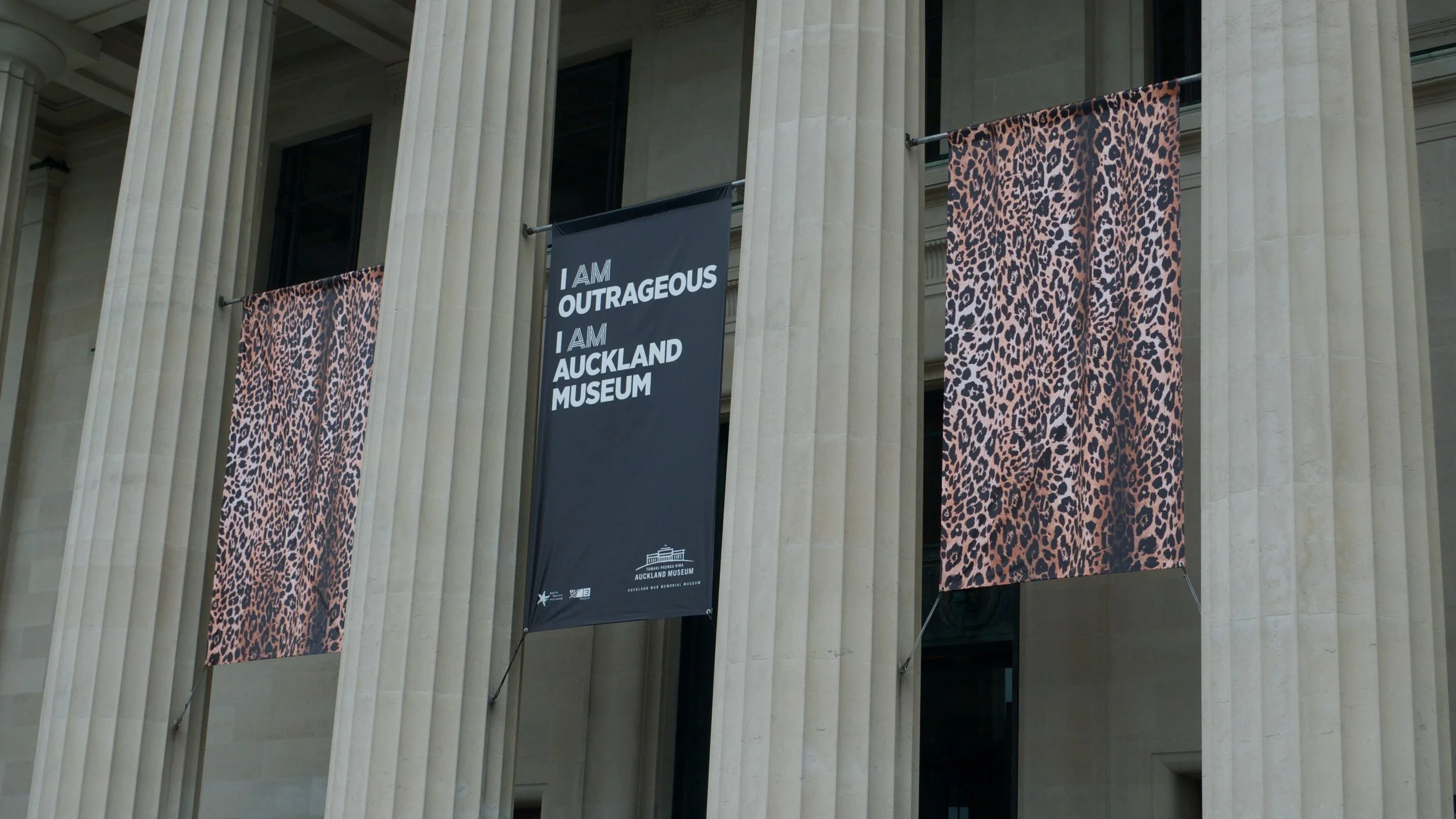
Outrageous Fortune became more than a television series.
In 2015, the Auckland War Memorial Museum mounted I Am Outrageous, an exhibition exploring the show's characters, world and place in New Zealand popular culture.
While I had nothing to do with creating the exhibition, seeing Outrageous Fortune occupying the museum was extraordinary — a reminder of the cultural life a TV show can acquire beyond the screen.
For me, that's one of the most satisfying things about the work. We weren't simply making episodes. We were making something that people felt belonged to them.