Scale, imagination & the responsibility of a global franchise
POWER RANGERS
Scroll ↓
A global franchise, made in New Zealand
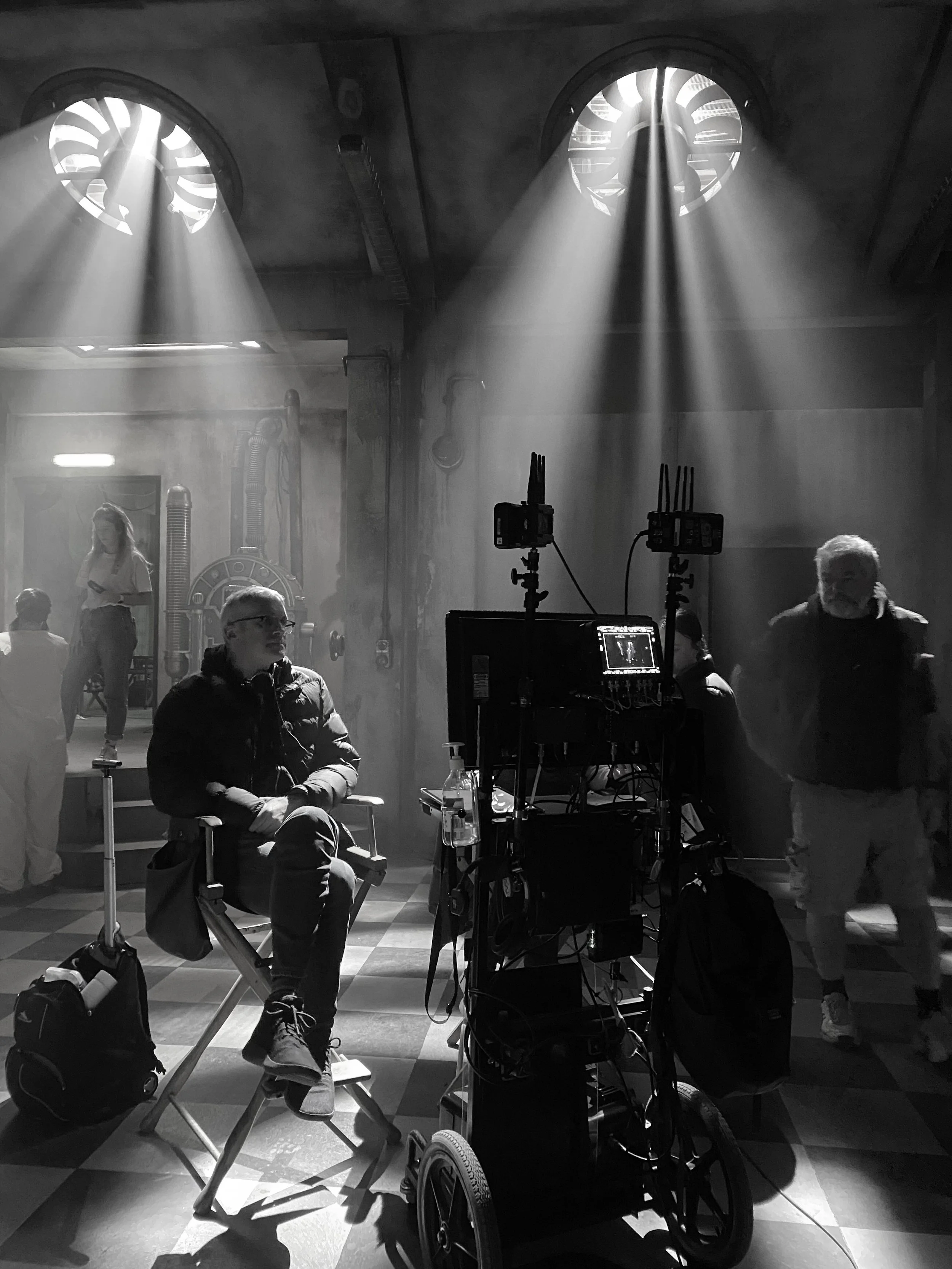
Photo credit: Ayrton Winiata
From 2016 to 2018, I directed Power Rangers, before moving into the role of Executive Producer/Showrunner from 2019 to 2023.
It was one of the most complex creative environments I had ever worked in. The production involved a network of international stakeholders across Hasbro, Nickleodeon and Netflix in the US, eOne in Europe and Canada and Toei in Japan, alongside a large New Zealand-based production team.
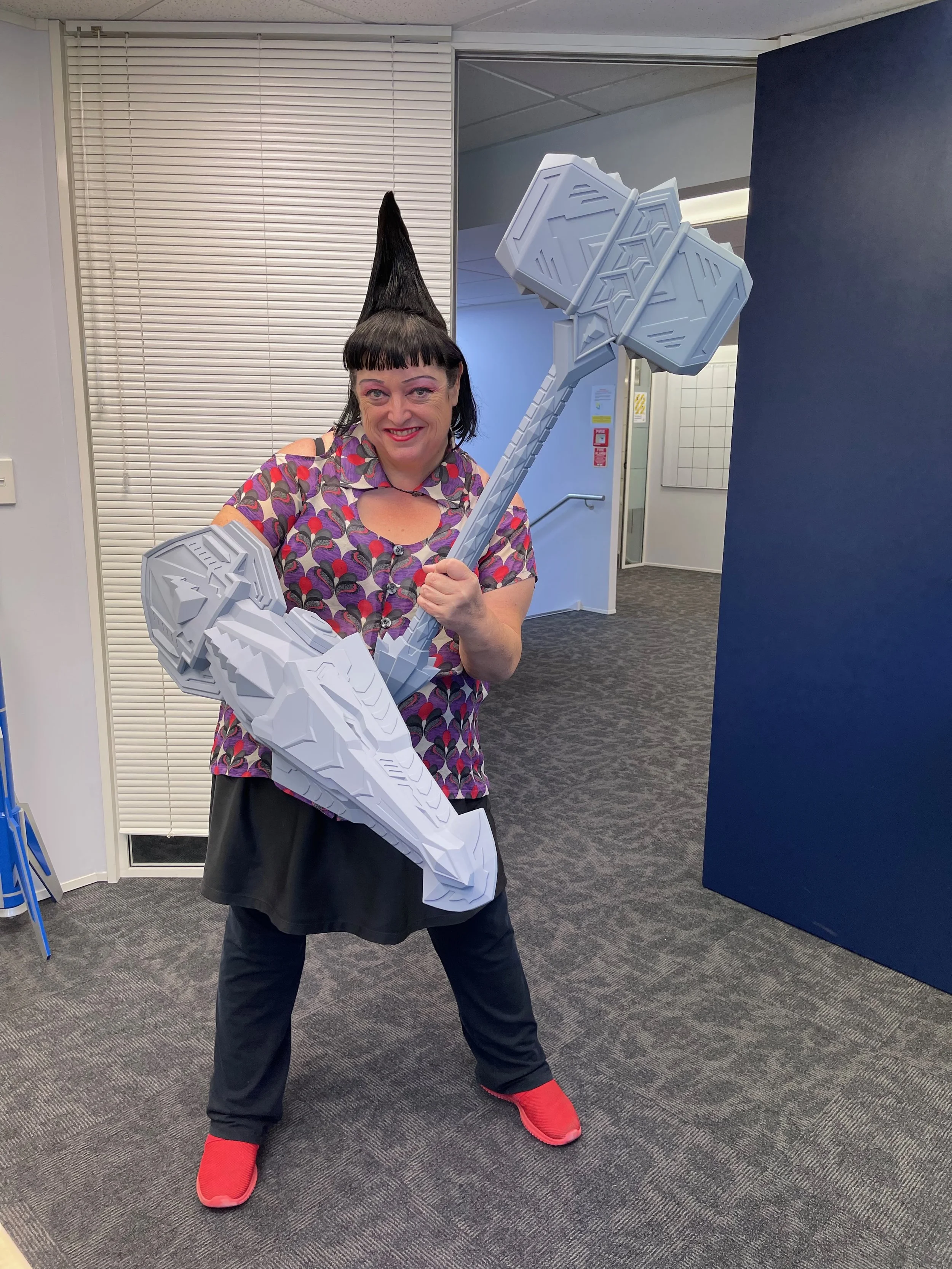
Each new season brought its own imagined world, with new characters, costumes, props, weapons and visual language. At the same time, we were working with elements of the Japanese Super Sentai franchise — adapting existing footage, costumes and props while developing new material of our own.
The scale meant constantly holding two things in mind: the creative ambition of the show and the responsibility that came with running the screen output of a global franchise.
Holding the whole thing in your head
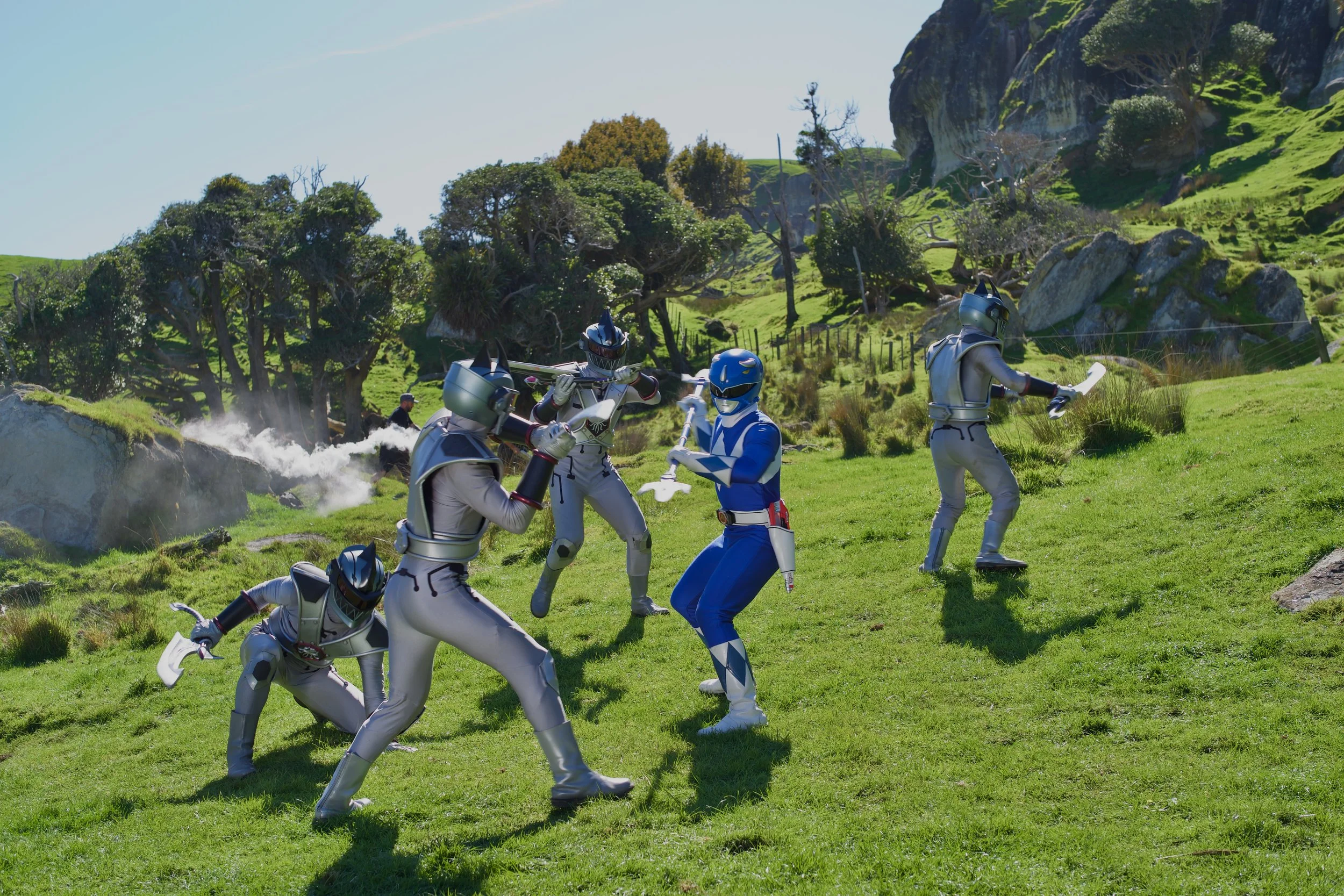
One of the first challenges on Power Rangers Dino Fury was understanding exactly what we had inherited from the Japanese Super Sentai series Ryusoulger — and what we would need to create ourselves.
We worked through the existing costumes, props and footage, deciding what could be used, what needed adapting and what needed to be newly designed and built. That meant liaising with Toei in Japan over the use and recreation of costumes and props, while simultaneously working with Hasbro’s brand and toy teams on new designs and approvals.
Every new season brought a new visual world. My role was partly to hold all of those competing demands in my head: understanding the expectations of Hasbro and eOne, making the necessary decisions, and giving the creative teams what they needed to do their jobs — without burdening them with problems that weren’t theirs to solve.
Fortunately, I was working with two exceptional writers and co-producers, Becca Barnes and Alwyn Dale, who were deeply involved in navigating the Super Sentai material and the relationship with Toei.
From directing episodes to leading the series
The move from director to Executive Producer changed the scale of the role.
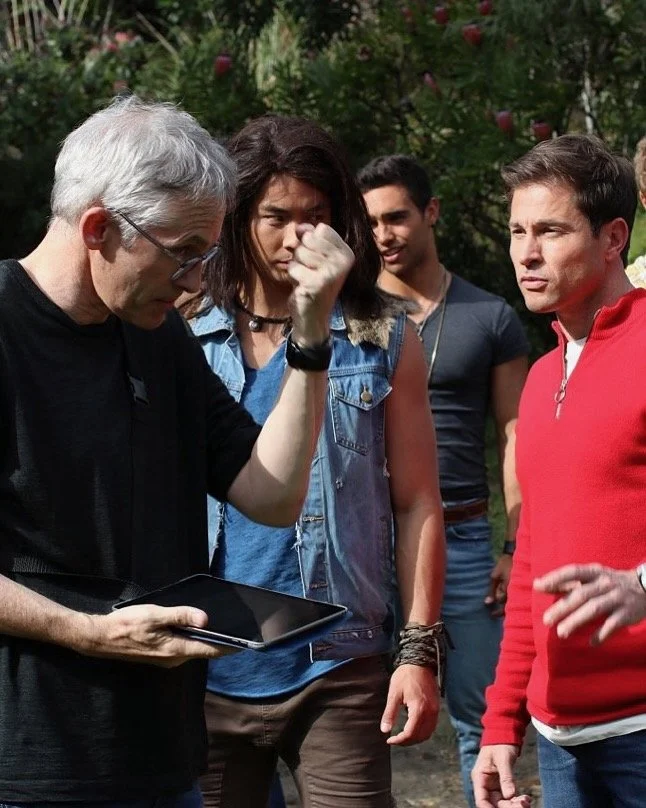
As a director, I was responsible for making individual episodes work — performance, story, camera, pace and tone. As Executive Producer and Showrunner, I was responsible for those elements across an entire season, while also thinking about the larger creative and production picture.
That meant working closely with the writers, directors, production designer, costume department, VFX and post-production, while maintaining a consistent creative direction across a large and constantly changing production.
I was particularly interested in ensuring the practical demands of the franchise never overwhelmed the storytelling. Power Rangers has an enormous visual vocabulary — suits, weapons, creatures, action, vehicles and effects — but underneath all of that are characters, relationships and stories that have to engage an audience.
My job was to keep those two worlds connected: the machinery of the franchise and the human story inside it.
Making extraordinary work together
The important thing about leading a production isn't having all the answers. It's creating the conditions in which the people around you can do their best work.
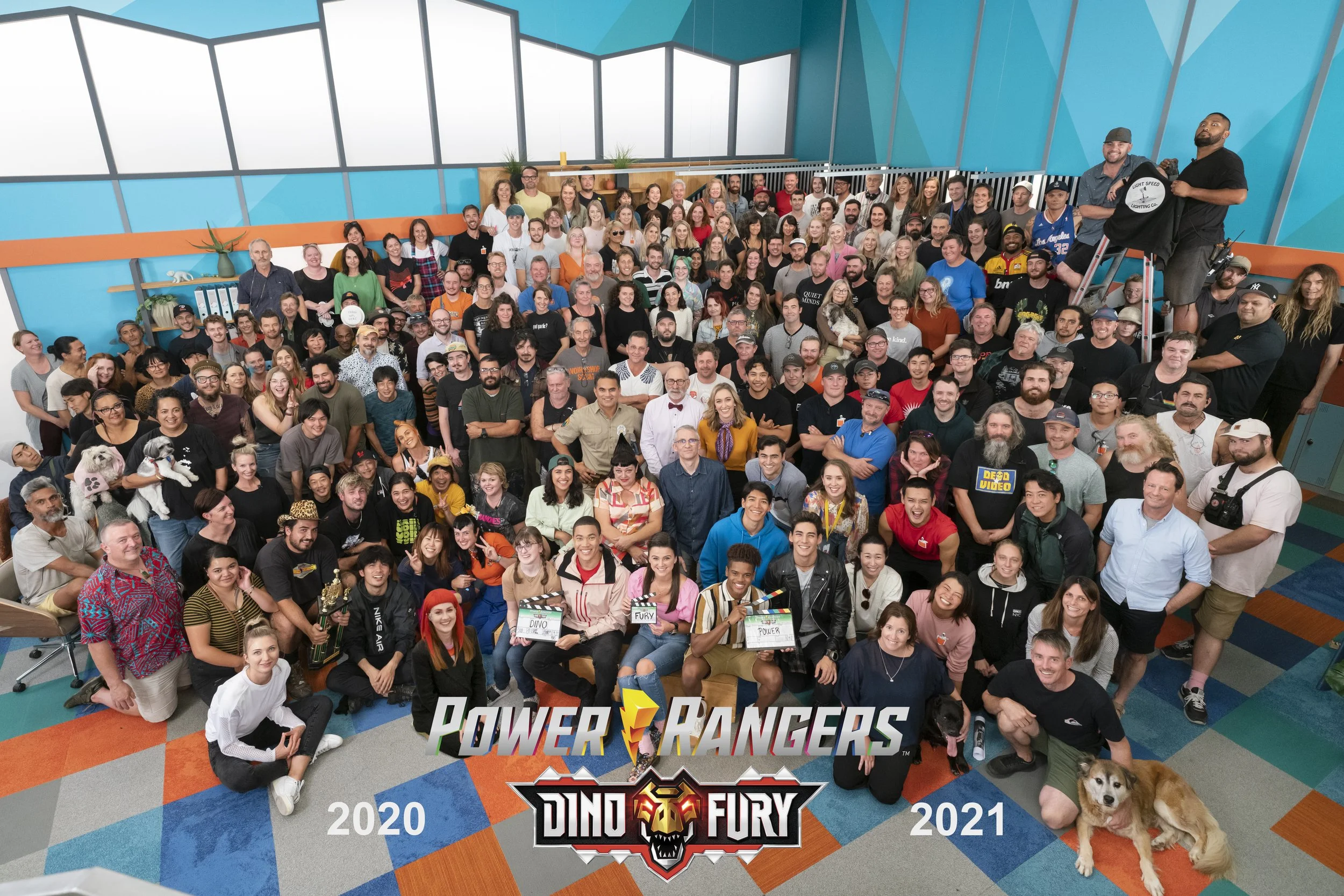
On Power Rangers, that meant working with writers, directors, actors, designers, stunt teams, VFX artists and a huge production crew — often across different countries and time zones.
My job was to establish a clear creative direction, make decisions when decisions were needed, and then give talented people enough room to bring their own expertise and imagination to the work.
I want people to feel ownership of what they’re making.
The best productions aren't built by one person imposing a vision. They're built by a group of people who understand what they're trying to achieve and trust one another to make it better together.
Keeping the human story at the centre
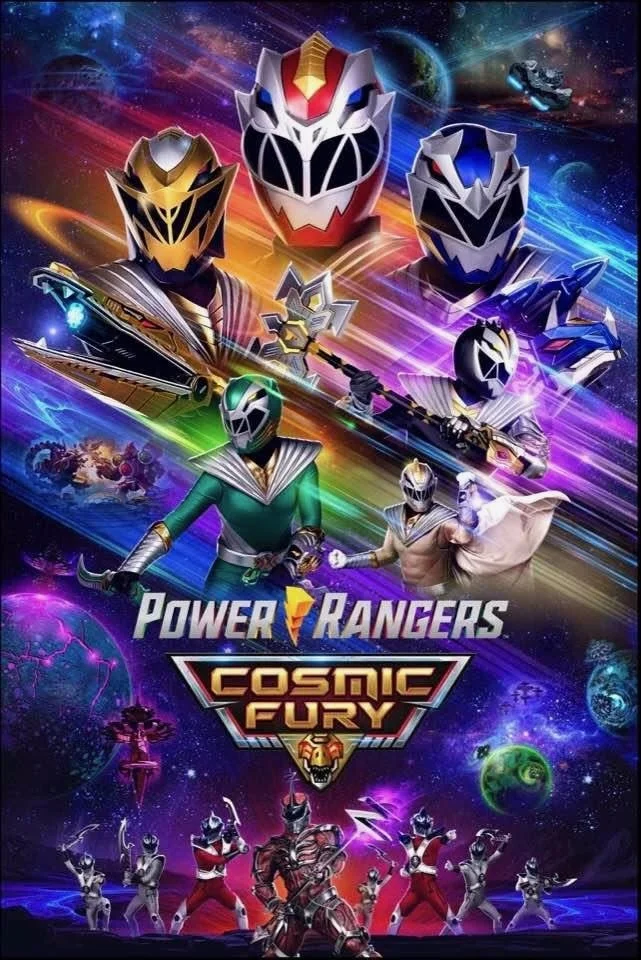
Power Rangers comes with a huge set of challenges: suits, weapons, creatures, words, action, stunts, VFX and an established lore.
But none of that works unless the audience cares about the characters inside it.
As Showrunner, I had to keep asking whether the spectacle was serving the story, rather than the other way around. The characters needed clear objectives, relationships and story arcs — even when each episode also had to deliver monsters, battles and giant robots.
That meant working closely with the writers and directors to communicate the emotional engine of each episode, and making sure that performance remained central to the storytelling.
The scale of the franchise was part of the challenge, but it was also part of the opportunity. Power Rangers could be funny, spectacular and imaginative while telling human stories about friendship, courage, identity and belonging.
The machinery could be enormous. The story still had to be human.
A creative relationship that continued
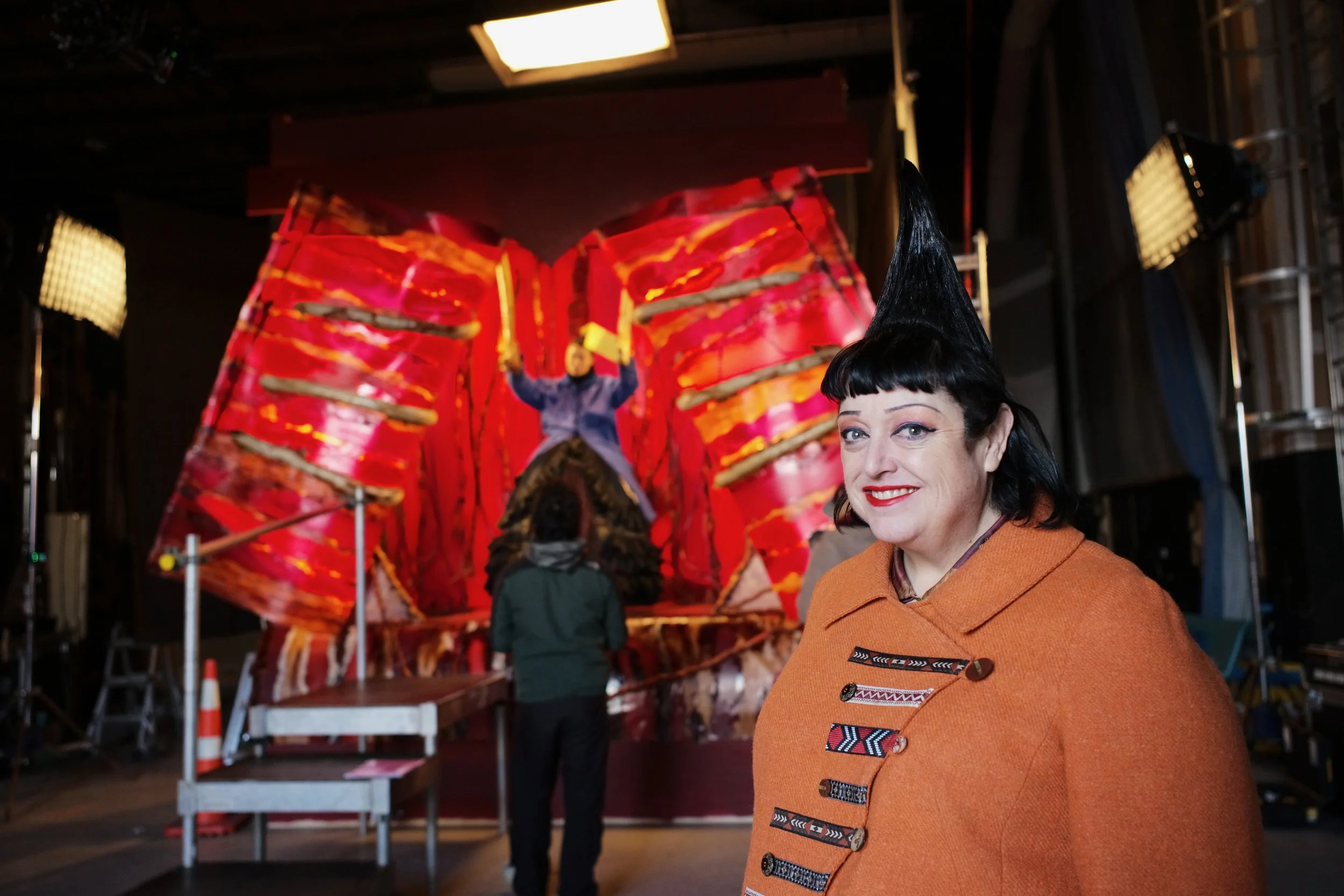
My collaboration with production designer Tracey Collins is one of the longest-running creative relationships of my career.
We first worked together on The Taming of the Shrew in 1991, when Tracey was one of the show’s twelve costume designers. We went on to collaborate on Into the Woods, Assassins, Trees Beneath the Lake, Horseplay, TV series Maddigan’s Quest, and feature film Sione’s 2 – Unfinished Business, before eventually working together on Power Rangers, where Tracey was the Production Designer.
By then, we had moved from intimate theatre productions to an international franchise involving large teams, multiple studios and a completely different scale of visual storytelling.
But the creative conversation was essentially the same.
What world are we creating? What are the rules? How should it feel? And how do we make it specific, coherent and alive?
This continuity matters to me. The scale of a production can change dramatically, but the fundamental creative relationship remains the same.
Tracey and I are still working together today, on Misery — more than thirty years after we first collaborated.
Once and Always
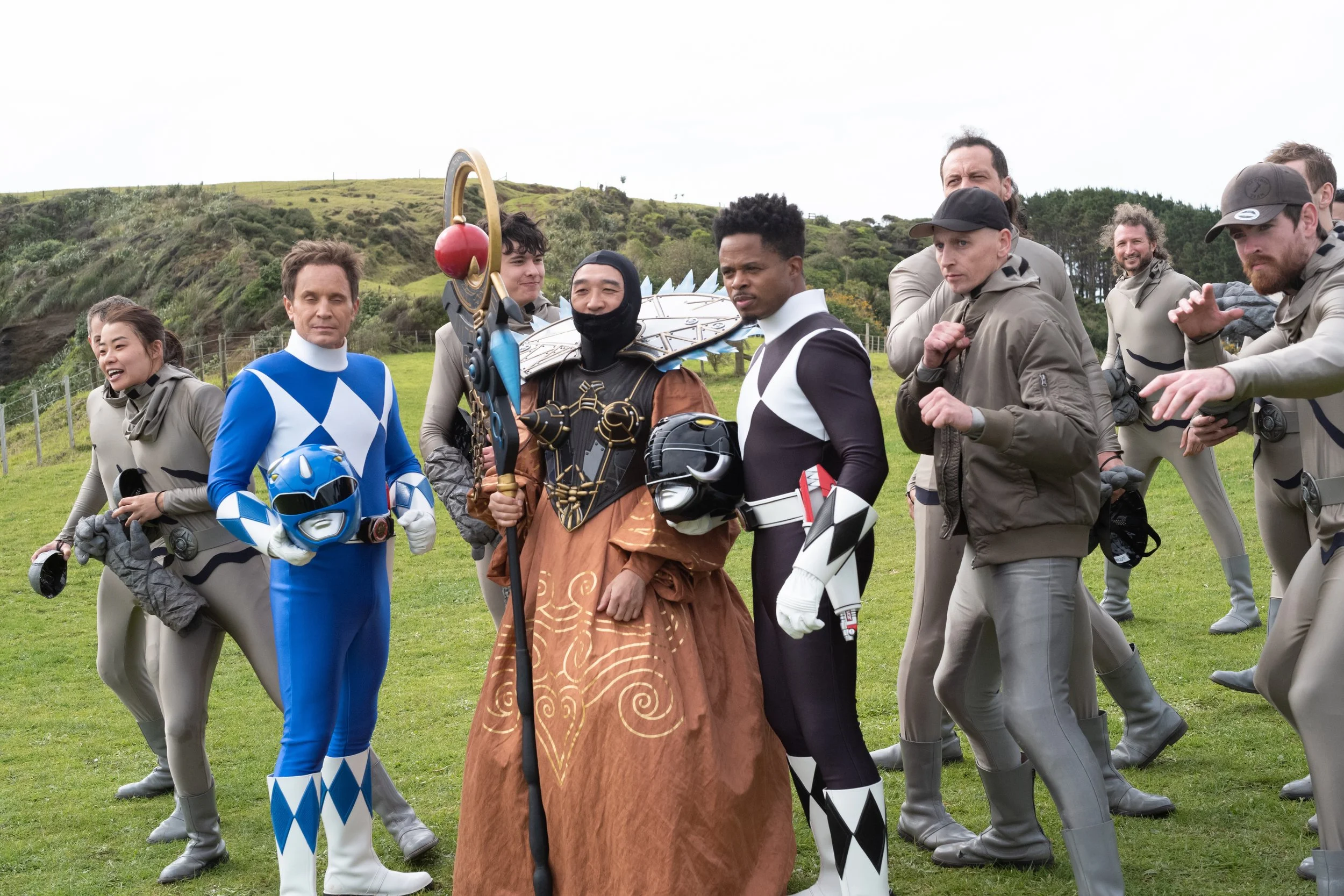
David Yost and Walter Jones, with stunt team
The 30th anniversary special, Mighty Morphin Power Rangers: Once & Always, presented a very different kind of challenge.
Bringing back members of the original 1993 cast involved decades of history — both their individual relationships with the franchise and with one another. Participation changed as the project developed, sometimes more than once, and the script had to be repeatedly rewritten around the evolving cast.
It wasn't until only a few weeks before shooting that we finally knew exactly who we’d have to play with.
The challenge was to honour the history that the original show’s enormous adult fan base cared deeply about while making a story that worked on its own terms — with characters, relationships and emotional stakes.
Sometimes creative leadership means holding on to the purpose of a project while almost everything around it is changing.
Leadership
The fundamental principles of creative leadership don't change with scale.
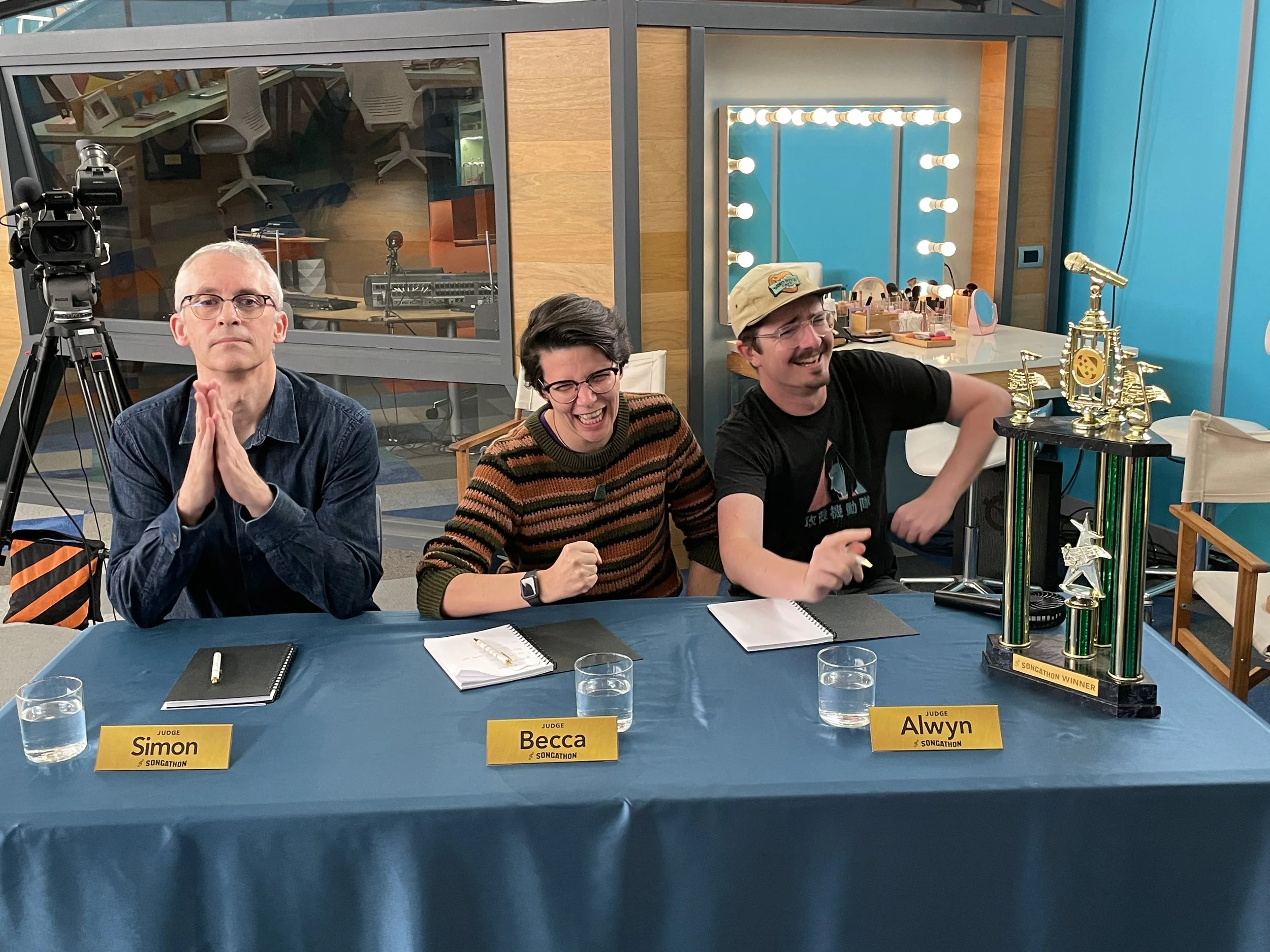
With co-producers and head writers Becca Barnes and Alwyn Dale
Power Rangers reinforced something I had already learned through years of producing and directing: whether you're leading a team of 700 on an international franchise or a company of 80 on Outrageous Fortune, the job is to create the conditions in which people can do their best work.
That doesn't mean having all the answers. On Power Rangers, I was constantly encountering things I had yet to learn — from VFX and action sequences to the intricacies of an international franchise and its relationship with Super Sentai.
Being prepared to ask questions, admit when I didn't know the answer, and then find someone who did became an essential part of the job.
Good leadership isn't about knowing everything. It's about knowing what needs to be understood, who can help, and when to get out of the way.
Recognition
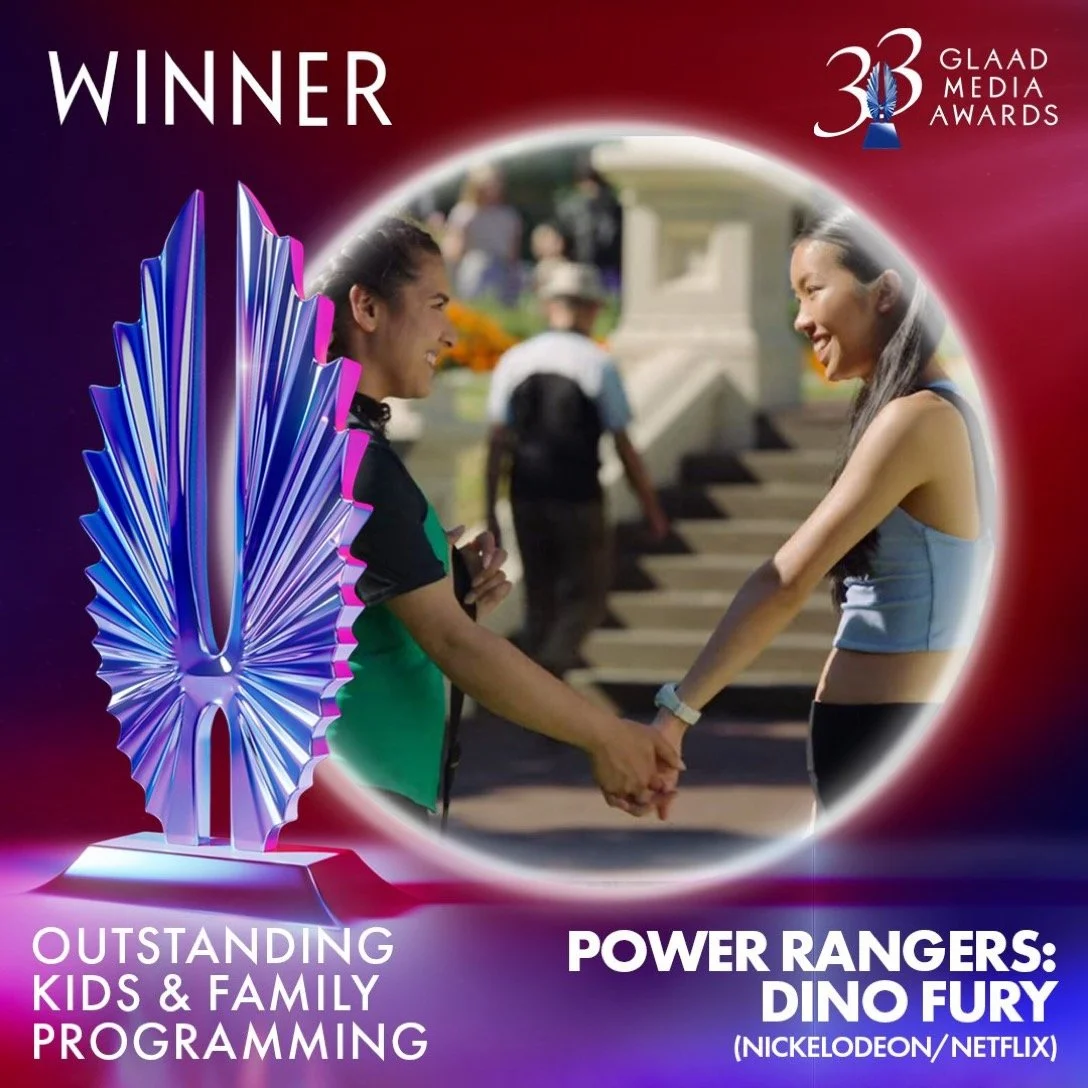
Power Rangers Dino Fury won the GLAAD Media Award for Outstanding Kids & Family Programming, recognising the series' inclusive representation.
The award matters not simply as an industry accolade, but because it reflects something we were trying to achieve within the constraints of a long-running international franchise: to make a show that was welcoming, contemporary and genuinely representative of the audience watching it.
Power Rangers
Executive Producer / Showrunner
Power Rangers Dino Fury
Power Rangers Cosmic Fury
Mighty Morphin Power Rangers: Once & Always
Executive Producer
Power Rangers — 2019–2023
Director
Power Rangers — 2016–2018